

Against the backdrop of explosive growth in renewable energy installed capacity and continuously rising requirements for power stability in industrial production, medium-voltage high-power converters are no longer merely auxiliary equipment. Instead, they have become core and critical devices that determine project operational efficiency, grid safety and transmission system stability. Most mainstream medium-voltage converters on the market only meet basic power conversion needs. Tailor-made for large-scale new energy, grid energy storage and heavy industry working conditions, the ABB PCS6000 accurately addresses industry pain points. This article elaborates on product differentiation, practical application value and procurement & selection guidelines, helping overseas purchasers, project engineering parties and equipment operation & maintenance teams gain a comprehensive understanding of this world-leading medium-voltage converter.
I. Core Competitive Advantages of ABB PCS6000
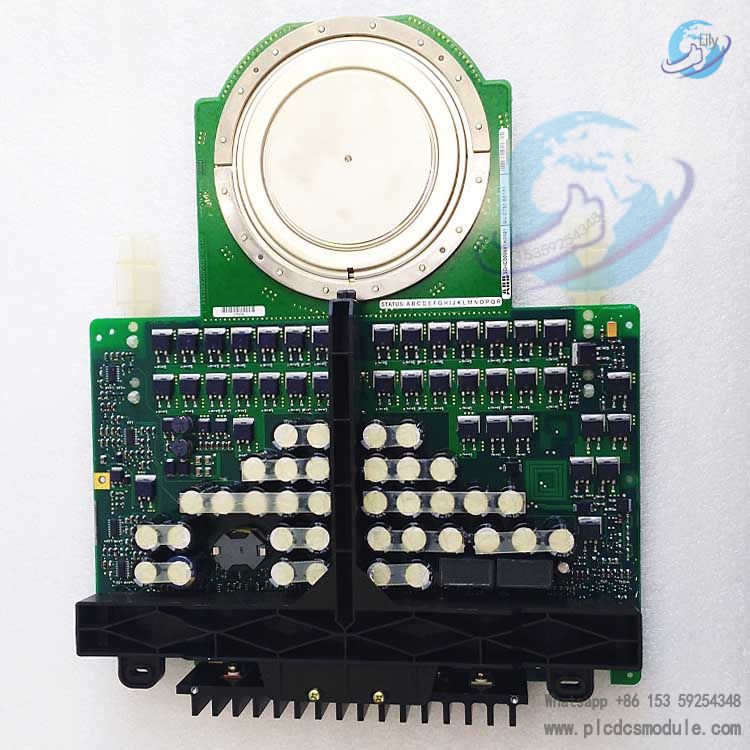
1. Self-developed IGCT Core Technology, Surpassing Traditional IGBT Solutions by a Generational Margin
- Reduced total cost of ownership throughout the lifecycle: The drastic simplification of electronic components cuts failure rates by 30% compared with IGBT models, greatly lowering maintenance costs and production downtime losses.
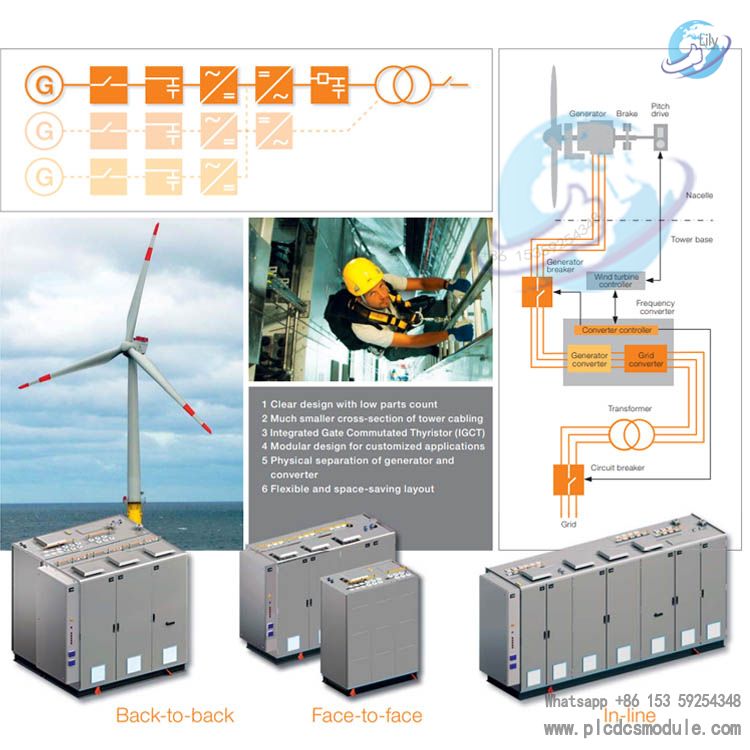
- Higher power density: Under the same power rating, the equipment footprint is 25%–30% smaller than competing products, making it ideal for space-constrained scenarios such as offshore wind turbine nacelles and compact industrial power distribution rooms.
- Stronger overload resistance: The inherent excellent overcurrent withstand capability of IGCT removes the need for complex additional protection circuits, perfectly adapting to new energy power stations with frequent voltage fluctuations and harsh industrial sites.
2. Flexible Voltage & Power Expansion, Adaptable to Global Working Conditions
3. Fuse-Free & Low-Maintenance Design to Minimize Downtime Losses
- Stable heat dissipation efficiency: Maintains precise temperature control in extreme environments with high salinity, high temperature and heavy dust, extending the service life of core components by 15%–20%.
Minimal maintenance requirements: The fully sealed closed-loop structure eliminates frequent filter cleaning and heat dissipation component inspections, cutting annual maintenance working hours by 40% compared with air-cooled equipment.
II. Practical Application Value in Multiple Scenarios
1. Wind Power Projects: Boost Power Generation & Optimize Levelized Cost of Electricity
- Millisecond-level precise control maximizes wind energy capture and improves overall unit power generation efficiency.
- Naturally compliant with global grid connection standards, eliminating the need for additional voltage regulation and filtering equipment to reduce infrastructure investment.
- IP54 high protection rating and anti-corrosion structure ensure stable long-term operation amid harsh offshore conditions including salt spray, high humidity and extreme temperature differences.
2. Grid-Scale Energy Storage Power Stations: Rapid Response for High-Frequency Cycling Operations
- Millisecond-level switching between charging and discharging modes to meet core grid demands such as frequency regulation, voltage regulation, peak shaving and valley filling.
- Withstands tens of thousands of charge-discharge cycles without performance degradation during long-term operation, extending the overall service life of energy storage systems.
- Built-in dynamic reactive power compensation capability removes the need for additional STATCOM devices, lowering overall project capital expenditure.
3. Heavy Industry Sectors: Energy Saving & Consumption Reduction with Production Equipment Protection
- Stepless precise speed regulation for medium-voltage motors weakens startup impact and prolongs mechanical equipment service life by more than 25%.
- Ultra-high operational efficiency exceeding 98% reduces line and heat losses, helping large industrial plants cut annual power consumption costs by 10%–15%.
- Industrial-grade design with dust resistance, moisture and vibration resistance adapts to harsh production environments in steel mills and mining areas.
III. Core Model Selection Guidelines for PCS6000
1. Classification by Application Scenario
- Wind Power: Choose the Wind series with 4–15MW models. For offshore projects, prioritize 12MW/15MW parallelable versions to accommodate ultra-large wind turbines and support subsequent power expansion. For small and medium-sized onshore wind farms, 6MW/8MW models balance cost and performance.
- Energy Storage: Adopt the dedicated BESS series for energy storage. Select models based on power station scale; 10MW units suit medium-sized energy storage projects, and multiple parallel units can meet grid-scale energy storage demands with full support for bidirectional charging and discharging and rapid response.
- Industrial Drive: Select the Drive industrial series and match models according to motor power. 6MW units are ideal for large motors in metallurgy and mining sectors, focusing on stepless speed regulation and energy saving.
- Grid Governance: Opt for STATCOM reactive power compensation models. 20Mvar units satisfy reactive power compensation and voltage stabilization needs for large industrial parks and new energy power stations.
2. Supplementary Selection Advice Based on Installation Environment
- Offshore & High Salinity Environments: Prioritize models with IP54 protection rating and anti-corrosion coating, paired with a closed-loop liquid cooling system to prevent equipment erosion from humidity and salt spray.
- Space-Constrained Areas (e.g. Wind Turbine Nacelles): Select compact back-to-back layout models to maximize the utilization of limited space.
High-Dust Industrial Scenarios (e.g. Mines & Steel Mills): Choose fully sealed cabinet designs to reduce dust ingress and lower fault risks.