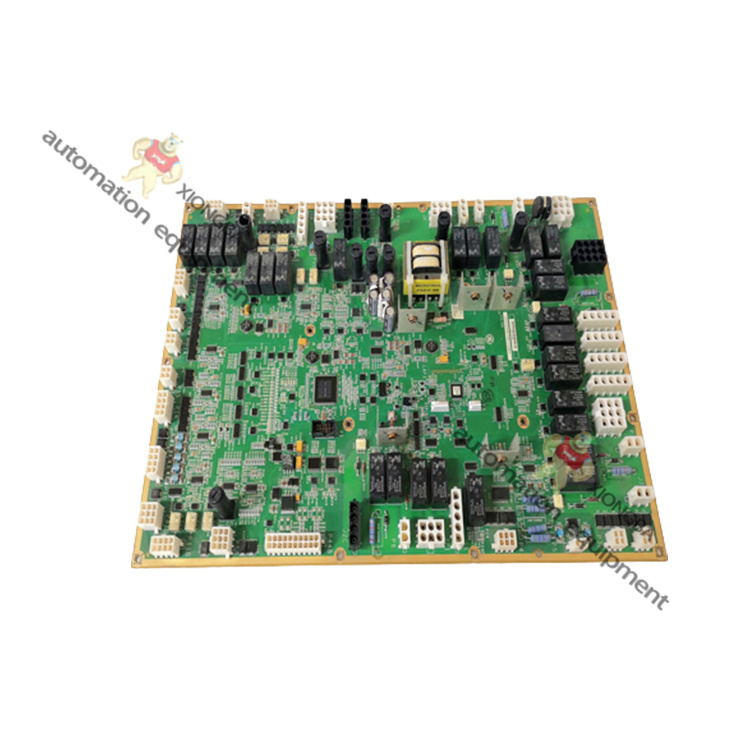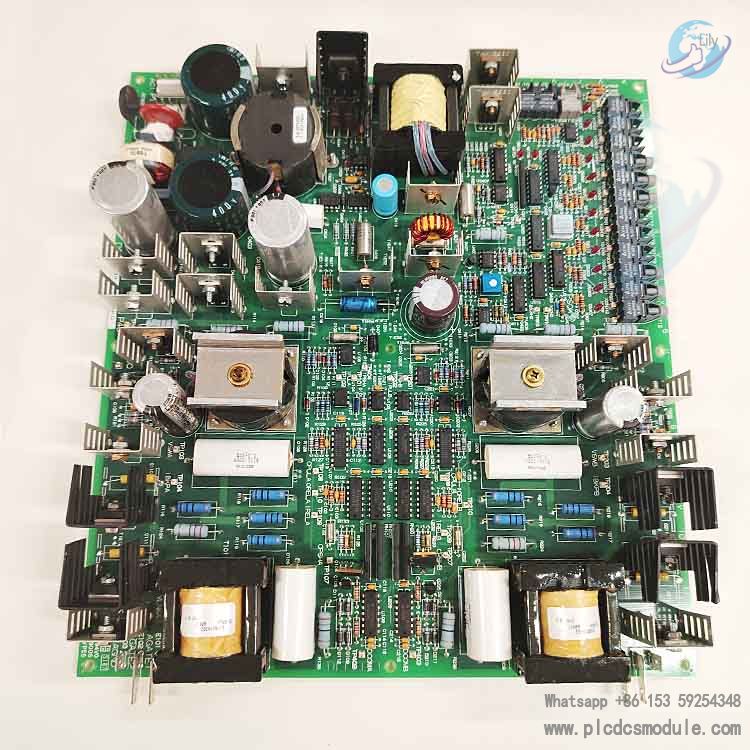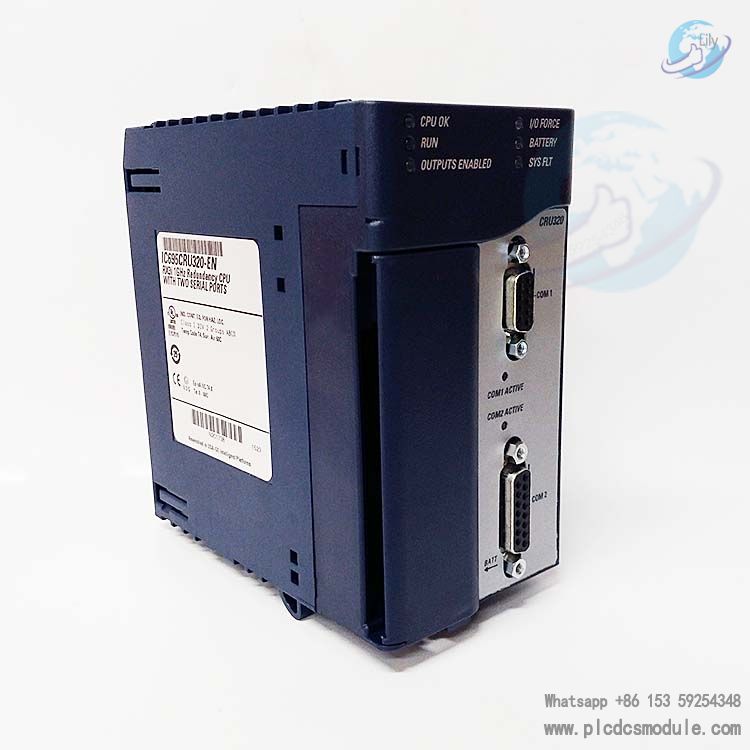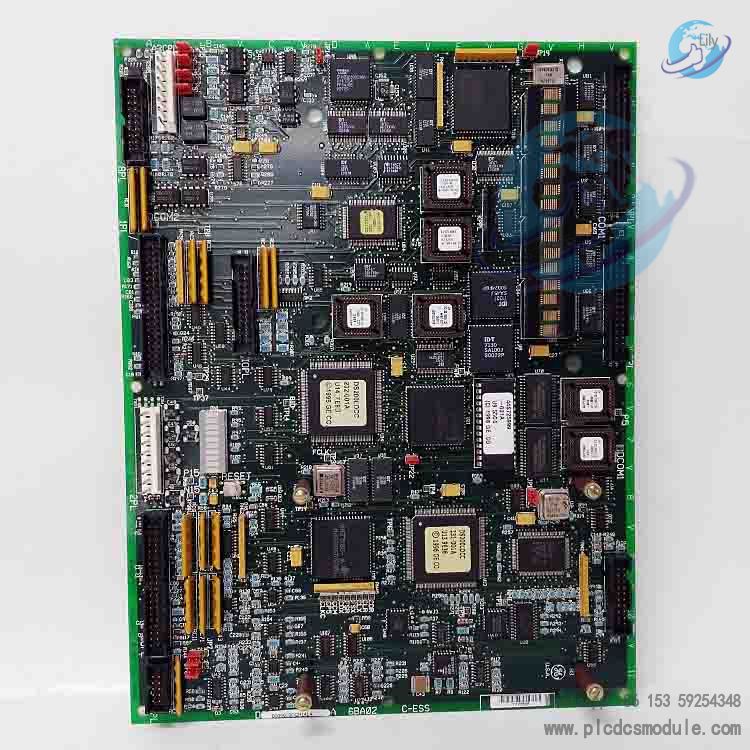


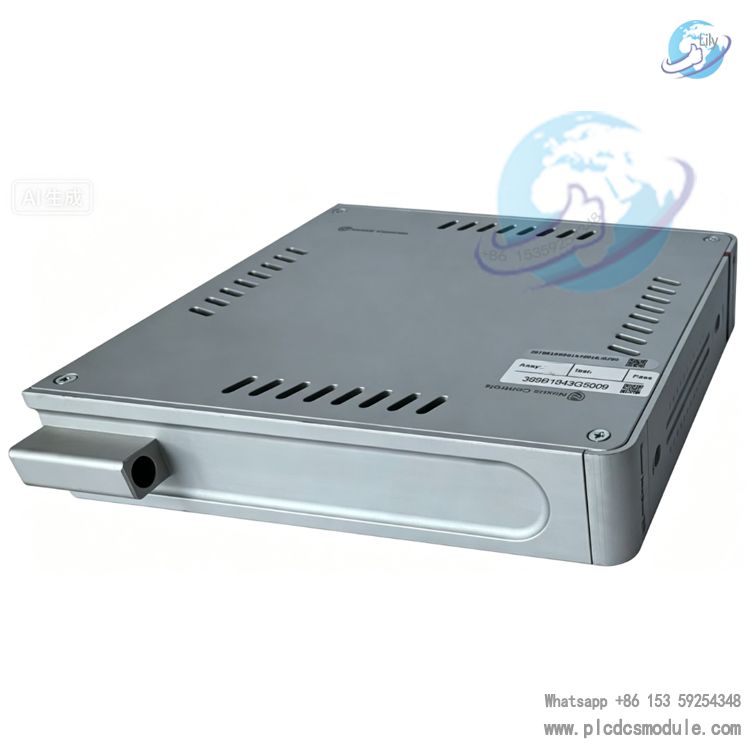
369B1843G5009 is a 24-channel digital input (DI) module from the GE Nexus series. Designed specifically for turbine and generator protection and control systems, it efficiently acquires 24V DC digital signals from field devices such as limit switches and proximity sensors, ensuring real-time monitoring and accurate feedback of unit operating status. As a core signal acquisition component, it is widely used in industrial automation and power protection systems.
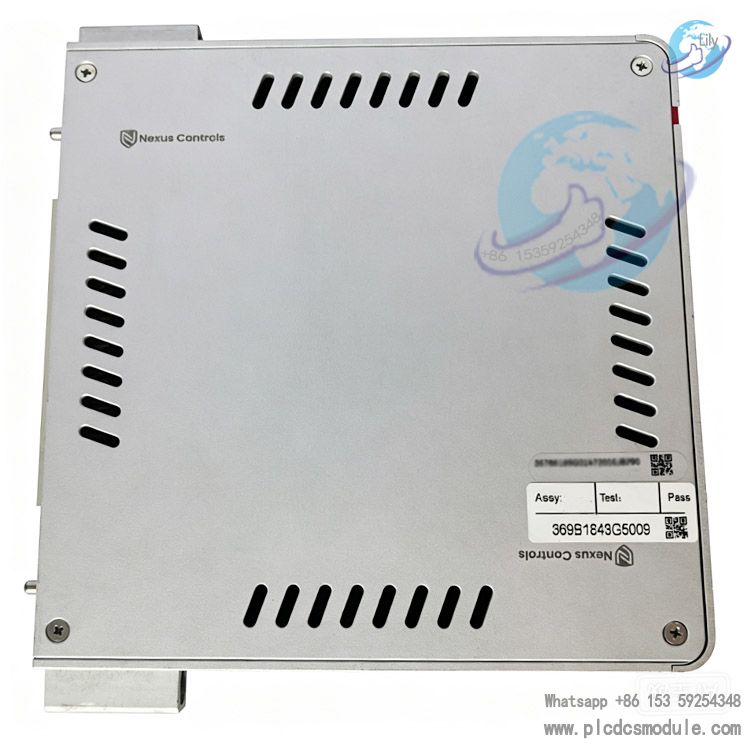
Specifications & Features
Channel Configuration: 24 digital input channels, supporting NPN/PNP signal inputInput Signal: 24V DC digital signal, compatible with common field switching devicesCore Functions: Supports Sequence of Events (SOE) recording and Change of State (COS) detection, enabling accurate capture of signal timingElectrical Characteristics: Galvanic channel isolation for strong anti-interference performance; supports 120Ω termination resistor (RS485 mode)Operating Environment: Operating temperature -20℃~+60℃, storage temperature -40℃~+85℃, protection class IP20Mounting: Suitable for DIN rail mounting, supports hot swapping for easy system maintenance and expansionCommunication Interface: Compatible with Nexus system bus, supports high-speed data transmission, and can be seamlessly integrated into GE control platformsCertifications: Complies with industrial electrical safety standards including CE and UL, suitable for harsh industrial environments
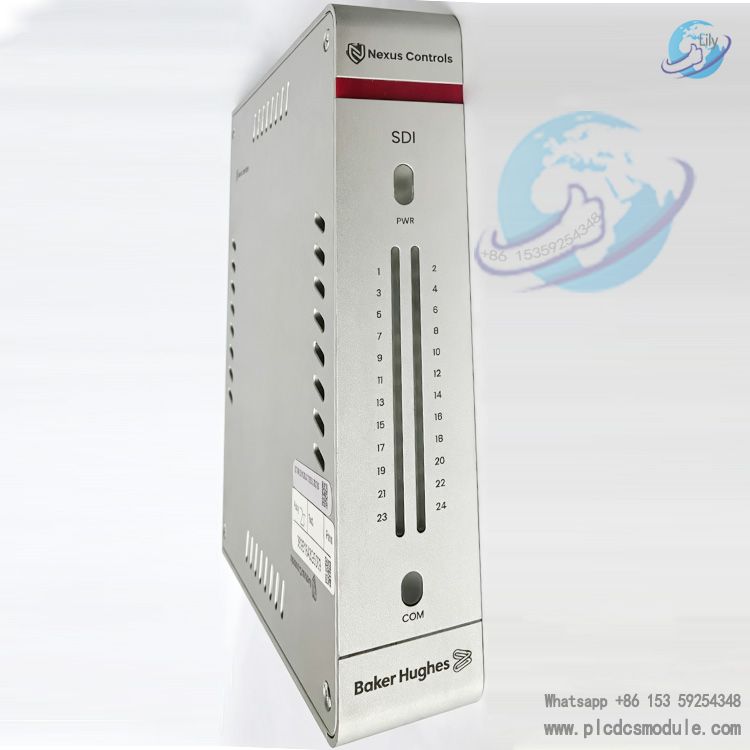
Applications
- Gas turbine and steam turbine control systems: Acquire key discrete signals including valve position, rotational speed, and alarms.
- Generator protection systems: Monitor circuit breaker status and excitation system signals to ensure power generation safety.
- Industrial automated production lines: Interface with sensors and actuators to realize real-time equipment status monitoring and interlock control.
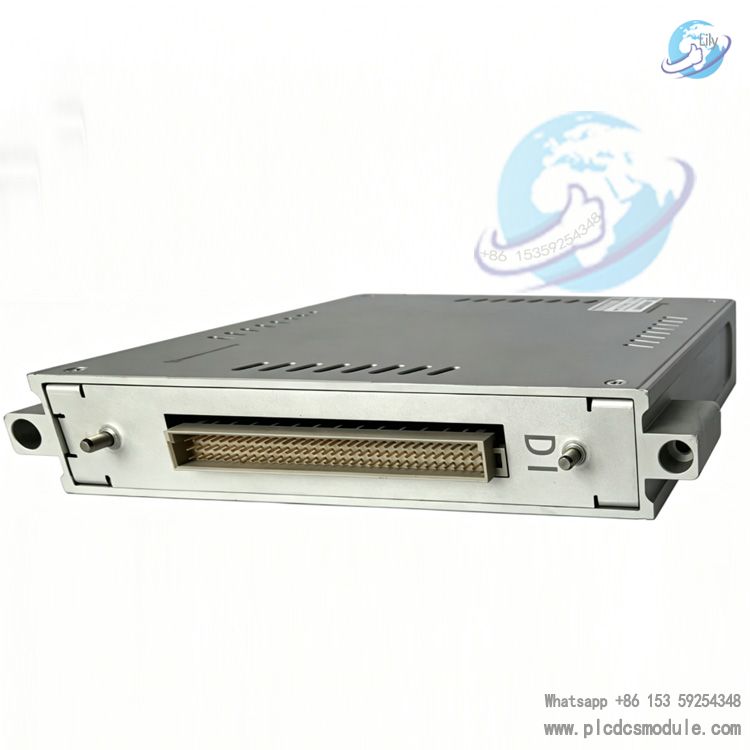
Frequently Asked Questions (FAQ)
Q: What is the difference between 369B1843G5009 and 369B1843G5003 in the same series?A: Both are DI modules in the GE Nexus series. 369B1843G5009 is a 24‑channel model designed for turbine/generator protection systems, while 369B1843G5003 is a 32‑channel MDI50 module. They differ in channel count and application scenarios; selection should be based on the system’s channel requirements.
Q: What signal types does this module support? Can it directly accept 110V AC switching signals?A: Only 24V DC digital input signals are supported. Direct connection of 110V AC is not allowed. To acquire high‑voltage AC signals, a matching signal conversion module must be used to convert them to 24V DC compatible signals first.
Q: What is the function of the module’s SOE feature and what is its accuracy?A: The SOE (Sequence of Events) function accurately records timestamps of signal changes for fault analysis and event tracing, making it ideal for unit protection applications requiring high timing precision. Its time stamping accuracy meets industrial control standards and can clearly distinguish the triggering sequence of multiple signals.
Q: What are the common troubleshooting steps for abnormal signal acquisition?A: ① Verify that the input signal is 24V DC and that field devices are outputting normally.② Check module channel configuration to ensure no channel conflicts or parameter errors.③ Inspect the communication connection between the module and the bus for loose wiring or interference.④ Use the module’s diagnostic functions to review channel status and fault codes to identify hardware or software issues.
Q: Does the module support redundant configuration to improve system reliability?A: Yes. It supports connection to the redundant bus of the Nexus system. Redundant signal acquisition can be achieved via dual‑bus connection, preventing signal loss caused by single‑bus failure. This makes it suitable for unit protection systems with high reliability demands.