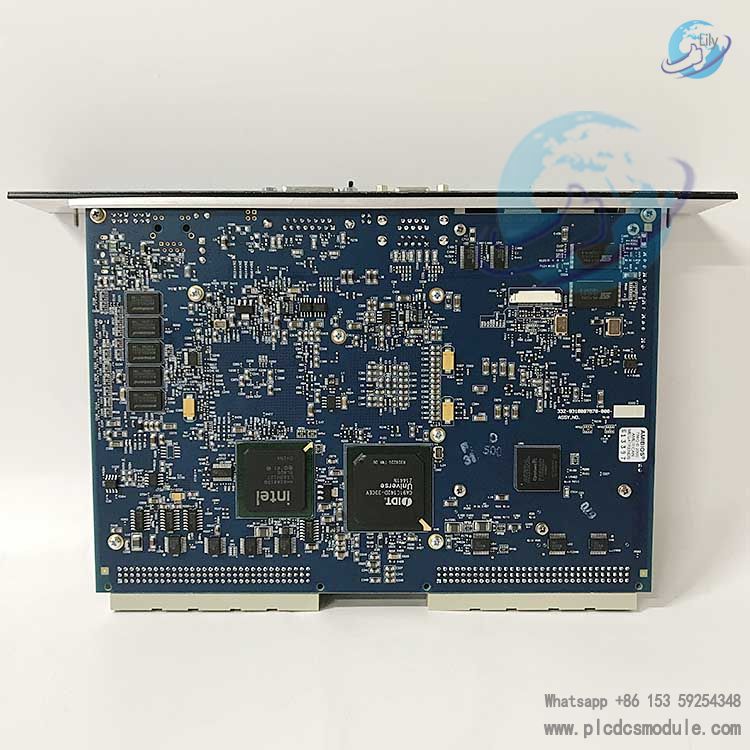
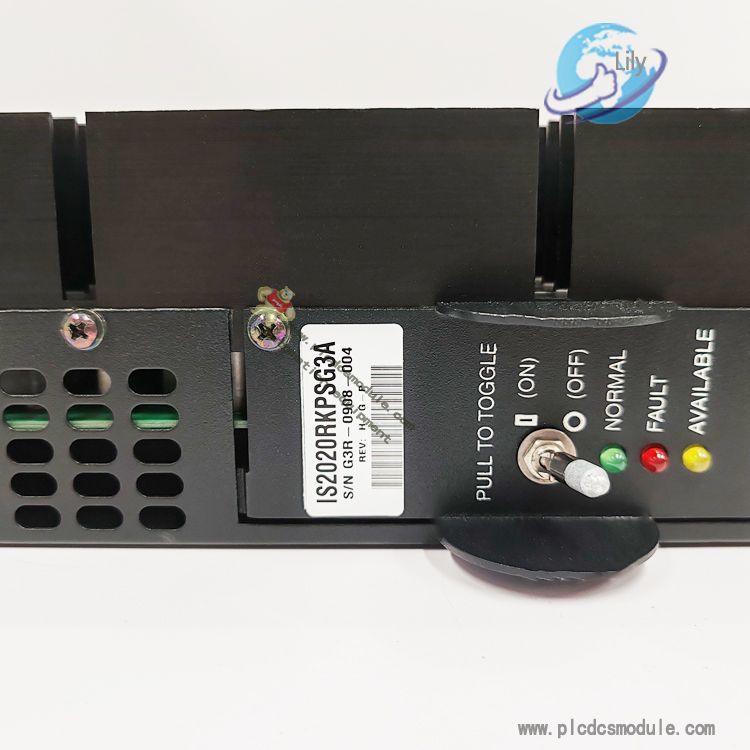
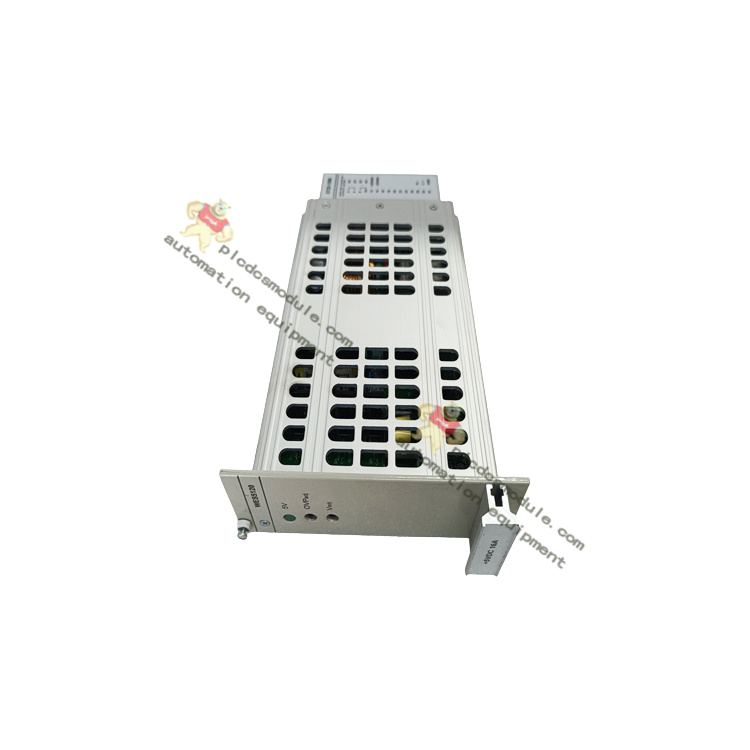
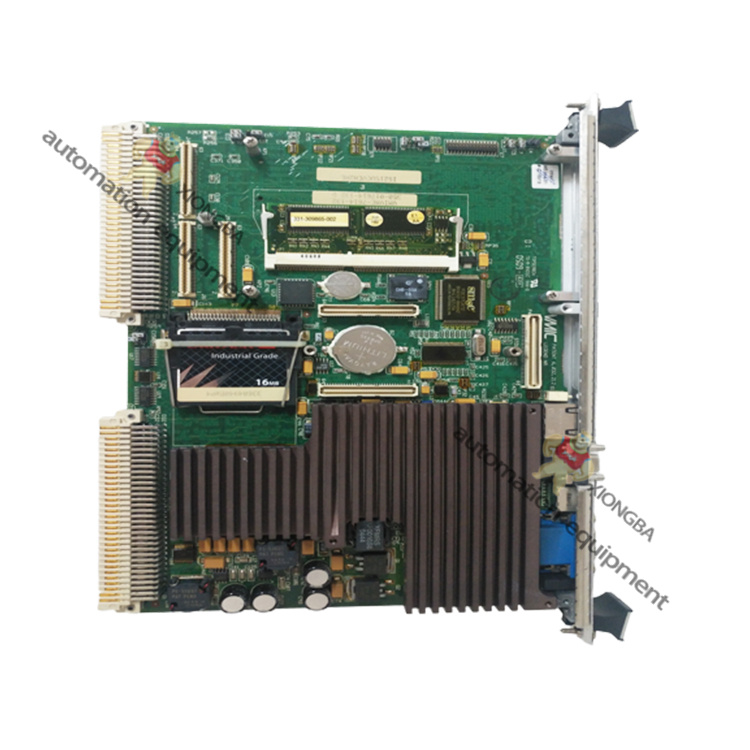
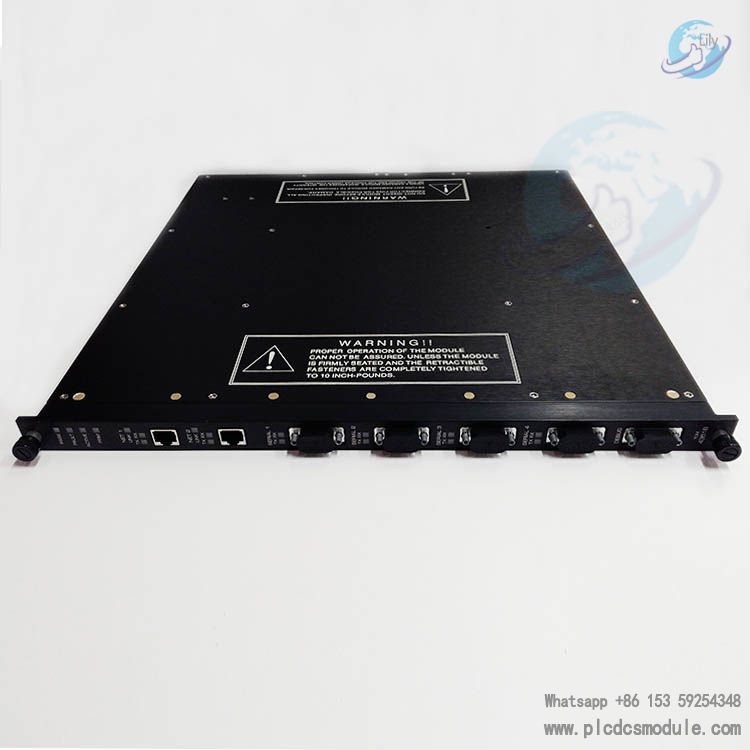
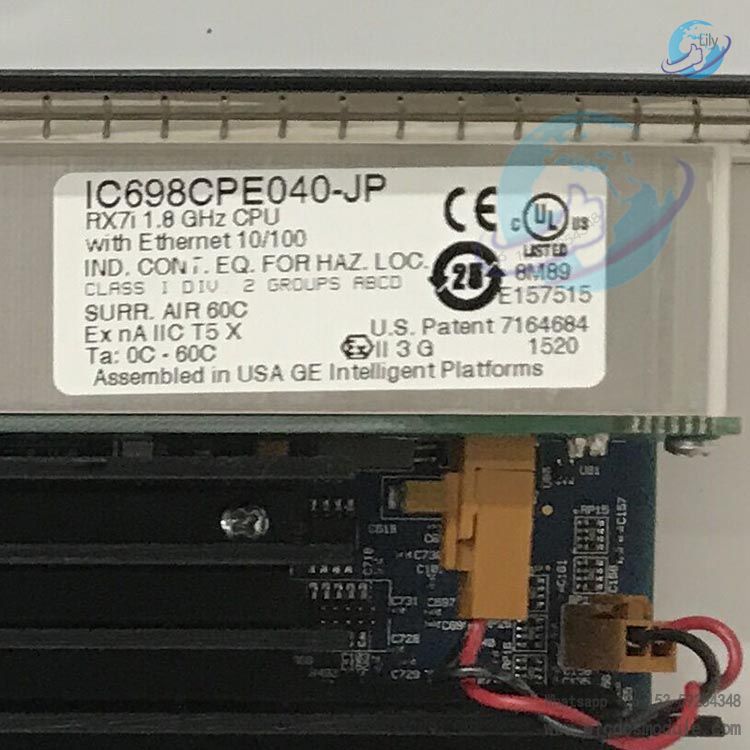
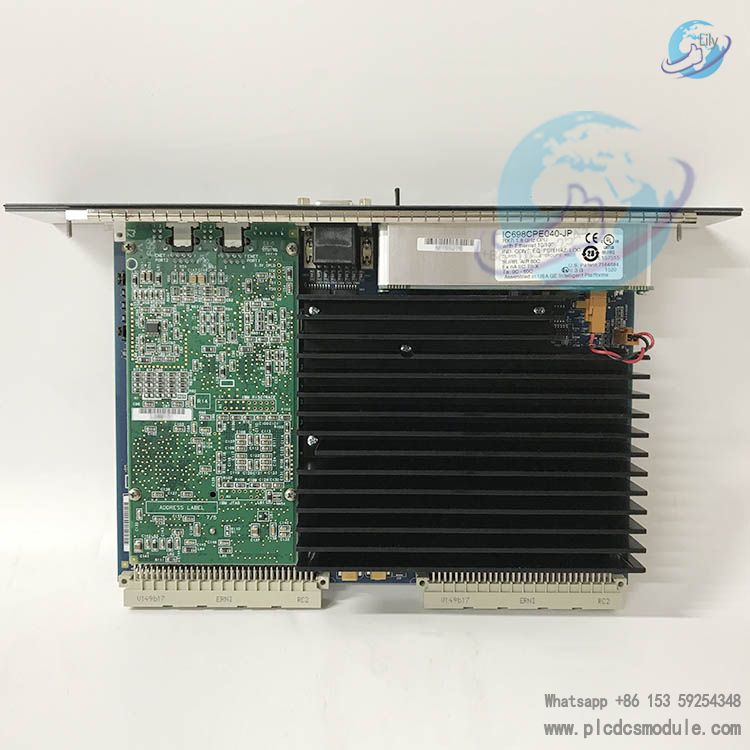
Note; All products on this site are special products, the market price has been fluctuating, the specific customer service offer shall prevail, because the product is a new product, the picture is not a real shot, please confirm with customer service before placing an order model and product, price and other details, the site used, new are for sale, please contact customer service communication. The GE IC698CPE040-JP is a core central processing unit (CPU) of the PACSystems RX7i series, specifically designed for the real-time control of machinery, processes and material handling systems. It is configured and programmed via dedicated programming software, and communicates with I/O and intelligent option modules through a rack-mount backplane compliant with the VME64 standard. Meanwhile, it enables data interaction with programmers and HMI devices via its embedded Ethernet port or serial port supporting the SNP Slave protocol, serving as a highly efficient and stable control core for industrial automation scenarios.
related documents
 GE IC698CPE040.pdf
Core Hardware Parameters
Processor & Memory: Equipped with a 1800MHz Pentium-M microprocessor, 64MB battery-backed user memory and 64MB non-volatile flash user memory. It can store programs, configurations, register data and symbolic variables to ensure data retention during power outages. It also supports access to large-capacity memory via the reference table %W, with flexible configuration of data and program memory.
Power Requirements: Rated supply voltage is +5 VDC (6.8 Amps), +12 VDC (0.003 Amps), -12 VDC (0.003 Amps). It must be matched with RX7i power supply modules meeting specifications (e.g., IC698PSA100, IC698PSA350, etc.) to ensure stable power supply.
Operating Temperature: With a fan tray installed, the operating temperature range is 0 to 60°C (32°F to 140°F). For operation without a fan tray, refer to the relevant supplementary specifications. The unit is adaptable to different temperature and humidity conditions in industrial sites.
Boolean Execution Speed: The typical execution speed is 0.02391ms per 1000 Boolean contacts/coils. It features high computing efficiency, enabling rapid response to control instructions and meeting real-time control requirements.
Software & Programming Features
Programming Methods: Supports four mainstream programming methods – Ladder Diagram, C language, Structured Text and Function Block Diagram, adapting to the programming habits of different engineers and the requirements of complex control scenarios.
Program Blocks & Symbolic Variables: Supports up to 512 program blocks with a maximum size of 128KB for a single block; it also supports auto-located symbolic variables that can occupy user memory of any size, enhancing the flexibility of program management and variable calling.
Testing & Debugging: Comes with Test Edit mode, which allows easy testing of modified content during program operation without interrupting the system, reducing the impact of debugging on production. It also supports bit-in-word referencing for precise operation of data bits.
Firmware Upgrade: The firmware of the CPU and modules can be upgraded via the Winloader tool through the CPU's RS-232 or RS-485 serial ports, ensuring continuous functional updates and device compatibility. The upgrade process must follow the official operation guide to avoid firmware damage.
Communication Capabilities
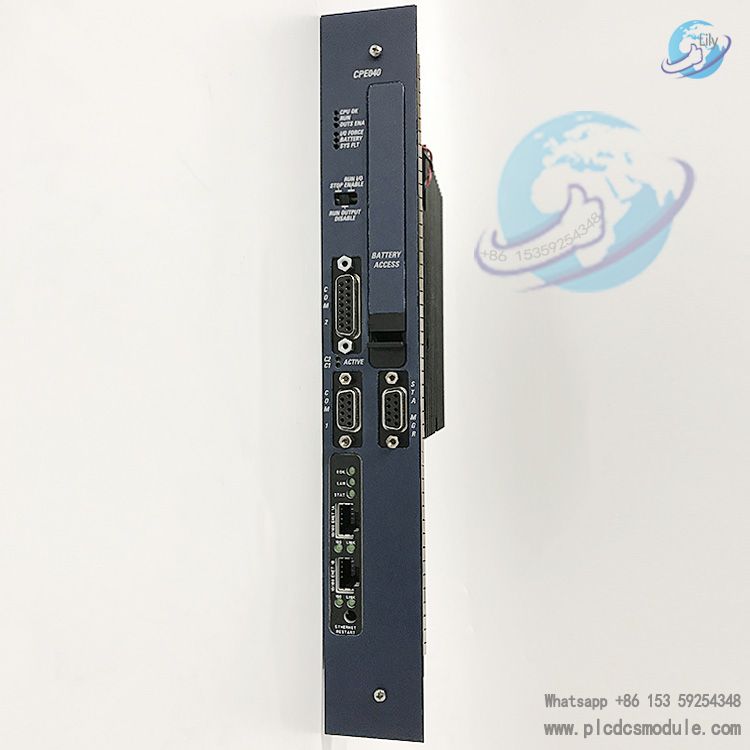
Serial Communication: Integrates three isolated serial ports (RS-485, RS-232, and RS-232 Ethernet Station Manager port), supporting Modbus RTU Slave, SNP and Serial I/O protocols to meet the communication needs of traditional serial devices.
Ethernet Communication: Equipped with an embedded Ethernet interface featuring two full-duplex 10BaseT/100BaseT/TX (RJ-45) ports and a built-in network switch, supporting auto-negotiation of network speed, duplex mode and crossover detection. It supports Ethernet Global Data (EGD) exchange and TCP/IP communication services based on SRTP, and is compatible with both Modbus/TCP server and client modes, enabling full-featured programming configuration, station management and diagnostics.
Network Connection & Synchronization: Supports a combined total of up to 16 Web server and FTP connections; offers user-configurable redundant IP addresses to improve network reliability. For CPU modules with version 5.00 and above, time synchronization with SNTP time servers via Ethernet is available to ensure system time consistency.
Compatibility and Expandability
Module Compatibility: It supports Series 90-70 discrete and analog I/O, communication and other modules, and is also compatible with all VME modules supported by Series 90-70 (e.g., VME-1182A-02001x discrete input module, VME-3122A-40001x analog input module, etc.). For the detailed list of compatible modules, refer to the PACSystems RX7i Installation Manual (GFK-2223), facilitating system upgrade and expansion.
Storage and Backup: In addition to the built-in memory, it supports data storage control via service requests such as SVC_REQ 57 (logic-driven writing to non-volatile storage). Note that multiple calls to SVC_REQ 57 in a single scan may cause CPU watchdog timeout; it is recommended to limit the call to once per scan cycle. Meanwhile, logic and hardware configurations can be saved to flash memory to prevent data loss.
Web Monitoring: It supports RX7i data monitoring via Web, allowing users to remotely view system operating status, data changes and fault information, which improves the convenience of system operation and maintenance.
Cautions and Limitations
Battery-related Notes: Memory backup relies on a battery. For battery selection, installation and estimated service life, refer to the PACSystems Controller Batteries and Energy Packs Manual (GFK-2741). Non-intelligent batteries may fail to detect low battery status in advance; it is recommended to replace them regularly in accordance with the manual guidelines, or ensure dual data security by saving data to flash memory.
Cybersecurity: By default, the Station Manager password must be changed from the default value; otherwise, remote Station Manager access will be disabled. If the FTP and Web servers are not in use, it is recommended to set their connection counts to 0 to prevent cyber attacks. Ethernet communication can only be enabled after configuring an IP address; the initial IP address can be assigned via a serial terminal, the SetIP tool or a BOOTP server.
Operational Limitations: VME modules functioning as VME bus masters are not supported. Simultaneous modification of CPU content by multiple programmers may cause software errors, and parallel operations should be avoided. Under heavy load conditions, the Web server may fail to return pages, so rational planning of network load is required.