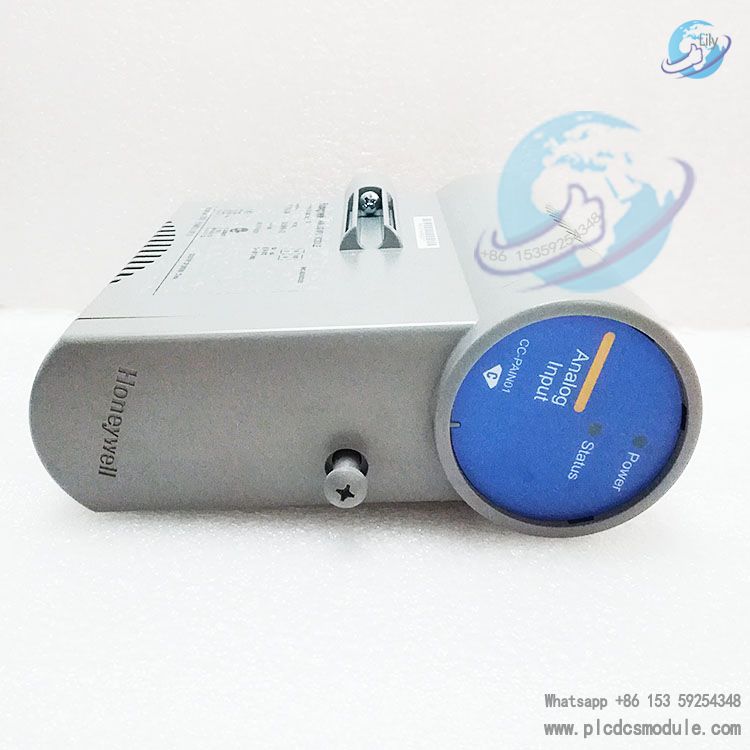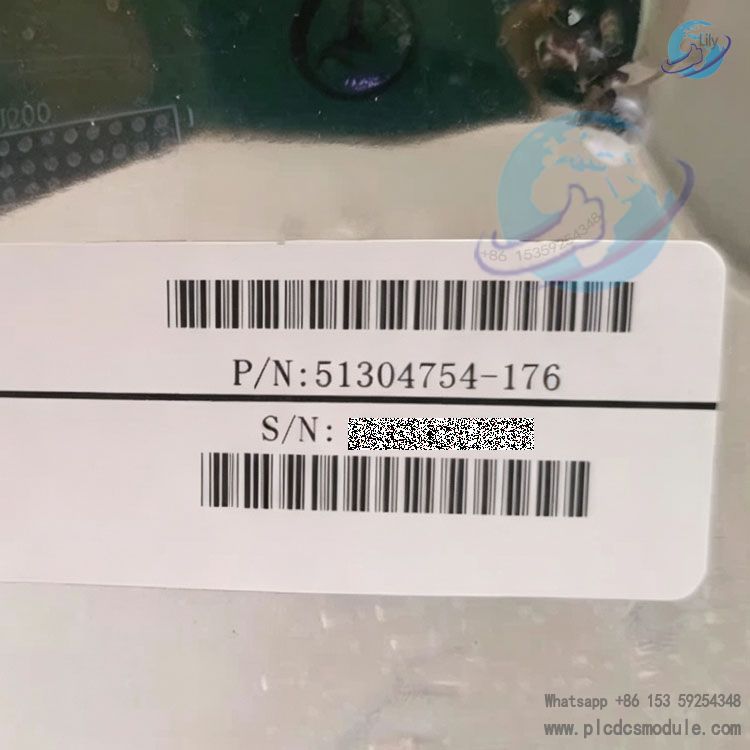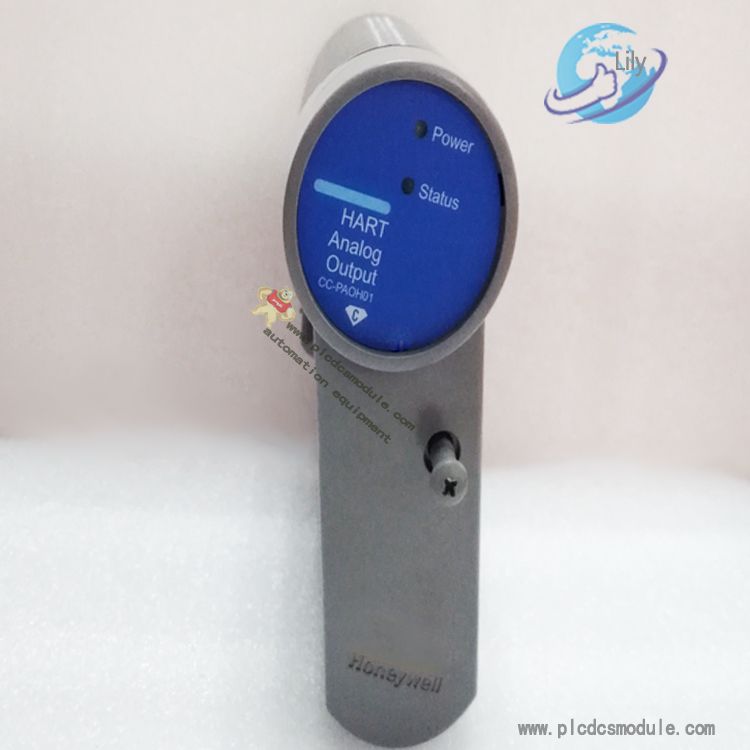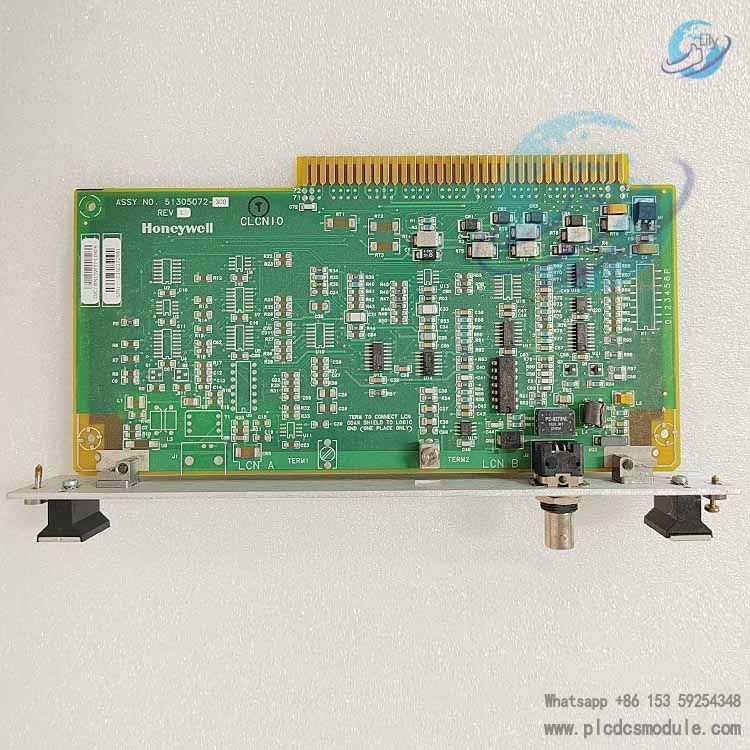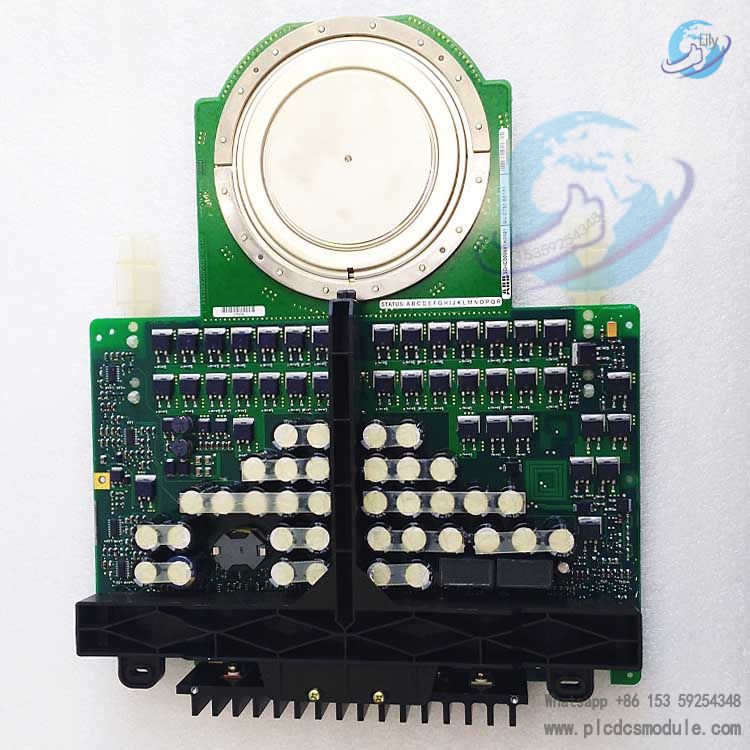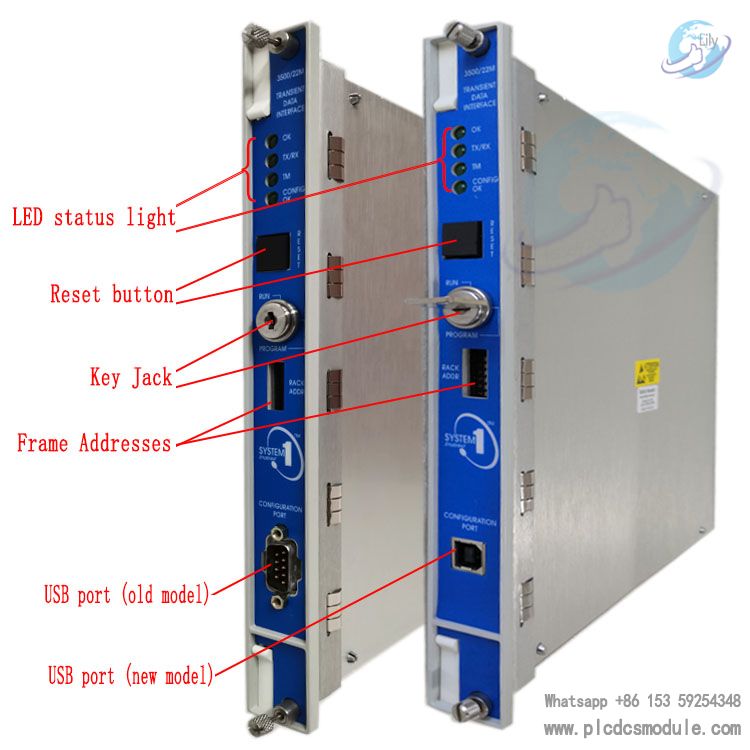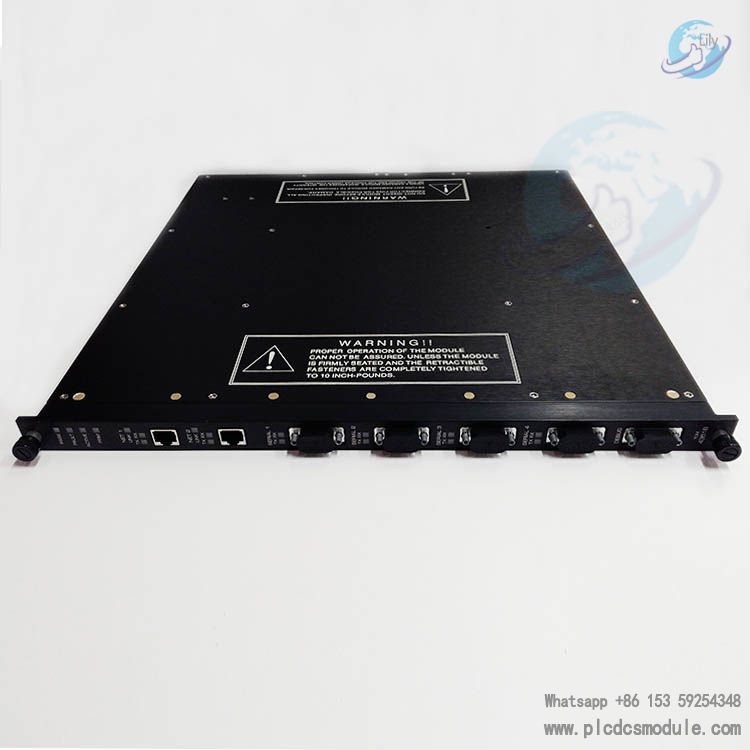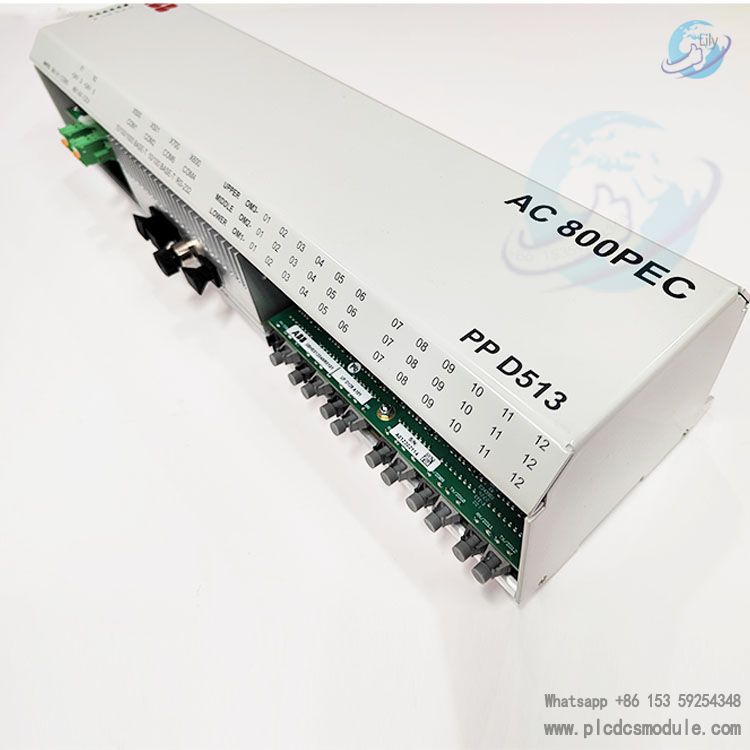


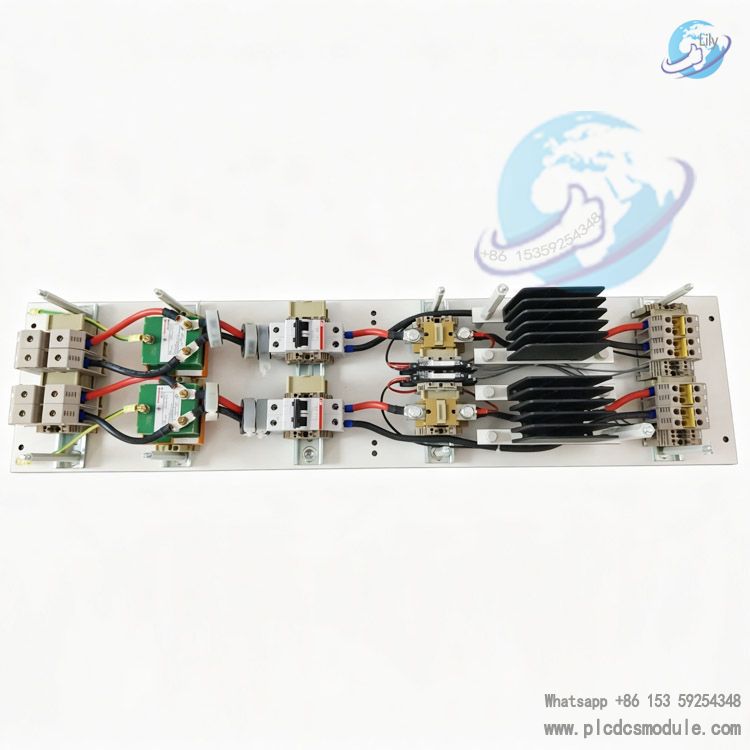
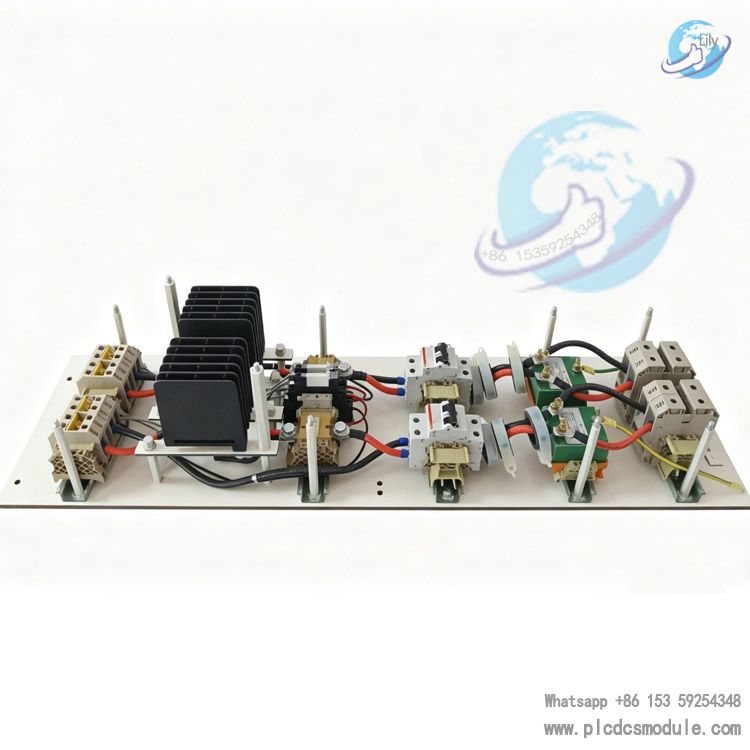
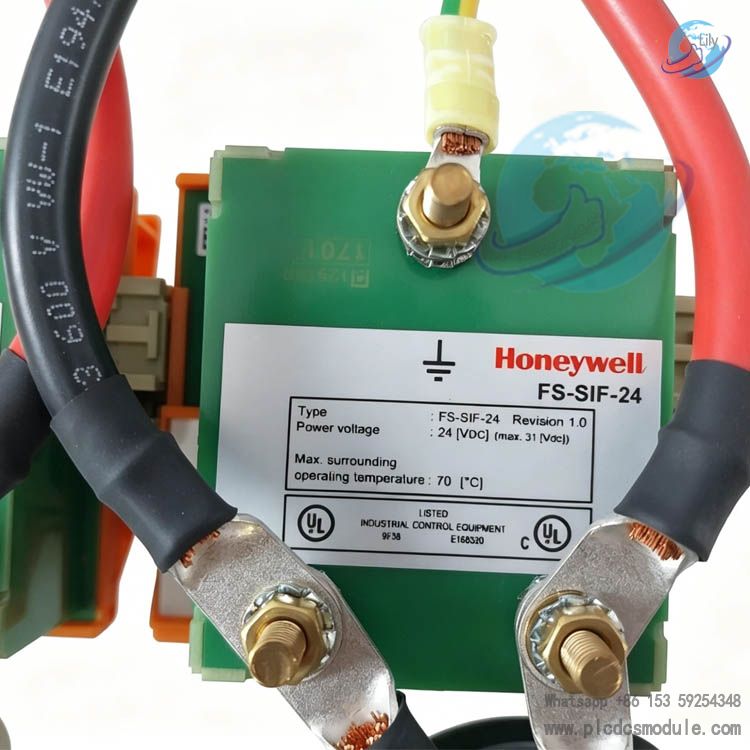
The Honeywell FS‑FEEDER‑24R is a dedicated 24VDC regulated feeder power module of the Honeywell Fire System (FS) series. Serving as a slave power expansion unit for Fire Alarm Control Panels (FACP), it supplies monitored, pure and stable 24VDC power to peripheral fire system devices. Compliant with fire safety certifications including UL, ULC and CSFM, it is widely adopted to expand the power supply capacity of main control panels and power remote devices as well as additional alarm circuits.
Product Advantages
Industrial-grade construction with wide operating temperature range (-10℃ ~ +70℃), maintenance-free design and extended service life.
Product Specifications
1. Electrical Parameters
- Input Voltage: 24VDC (sourced from UL-listed fire power supplies e.g. FS-PWR-24)
- Output Voltage: Regulated nominal 24VDC
- Output Current: 2A / 3A continuous, subject to module label and system design
- Monitoring Function: Full-range input & output monitoring; relay alarm activated by open circuit, short circuit and power failure
- Fault Output: Form-C relay (NO/NC/COM) for connection to main panel monitoring circuit
2. Physical & Environmental Properties
- Mounting Type: DIN rail or cabinet backplate installation
- Operating Temperature: -10℃ ~ +70℃
- Certifications: UL, ULC, CSFM, CE
- Dimension & Weight: Standard module size, approx. 1.2kg
3. Compatibility
- Compatible Panels: Honeywell FS series including FS-250, FS-90, etc.
Applicable Devices: Remote annunciators (FS-ANN-80/250), NAC circuits (FS-NACM), and 24VDC fire auxiliary equipment including smoke exhaust dampers, elevator fire recall modules and electromagnetic door holders.
Application Scenarios
- Power Supply for Remote AnnunciatorsLocally power FS-ANN-80/250 remote annunciators installed at building entrances and security rooms to eliminate voltage drop over long-distance wiring.
- NAC Circuit ExpansionExpand circuits for sounders, horns and speakers via FS-NACM when native panel circuits are insufficient, with stable power supplied by this module.
- Power for Fire Linkage DevicesCentralized power supply for 24VDC auxiliary fire equipment such as smoke exhaust damper relays, elevator fire control modules and magnetic door retainers.
- Power for Remote Control CabinetsSupply power locally to relays and isolators inside remote fire control cabinets in basements or rooftops to reduce main line power loss.
- High-redundancy Fire SystemsDeploy dual-module redundancy in critical fire zones for automatic switchover upon single module failure, ensuring uninterrupted power supply.
FAQ
- Input power: Confirm stable 24VDC supply, correct polarity and firm wiring connection.
- Output circuit: Check for short circuit, overload current exceeding 2A/3A and wrong wiring.
- Fault contacts: Verify correct wiring of NO/NC/C terminals and normal operation of main panel monitoring circuit.
- Module failure: Replace the module if all above checks are normal.
- Overloaded load: Keep total operating current within rated value; reduce loads or add extra modules.
- Input voltage drop: Use thicker wires (18AWG or above) and shorten wiring distance.
- Module aging: Voltage regulation drift caused by long-term high temperature or overload; replace the module.
- Lack of fire safety certifications including UL, ULC and CSFM, failing official project acceptance.
- No built-in monitoring function; open circuit, short circuit and power loss cannot be detected with no fault alert, bringing hidden safety hazards.
- Poor voltage regulation and high ripple noise, easily triggering false alarms or damaging precise fire devices such as detectors and remote annunciators.
- Load shunting: Distribute loads to separate modules, ensure each module runs within rated current.
- Redundant configuration: Adopt active-standby dual-module hot backup for automatic switchover upon failure, aiming for higher reliability instead of power expansion.
- Short-term exposure (within 1 hour): Degraded voltage regulation accuracy, increased ripple and unstable equipment performance.
- Long-term exposure (over 1 hour): Accelerated internal component aging, shortened service life, module burnout and even entire system breakdown.Solutions: Improve heat dissipation with cooling fans, lower ambient temperature or adopt extended temperature range modules.
- Module failure to operate and steady red indicator light.
- Damage to internal circuit of the module.
- Malfunction or damage to downstream devices including detectors and annunciators.