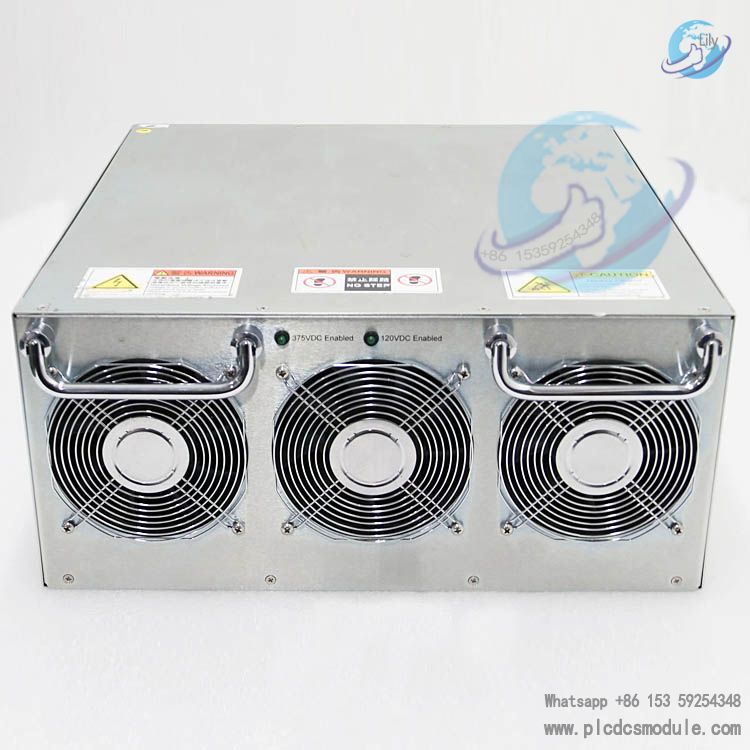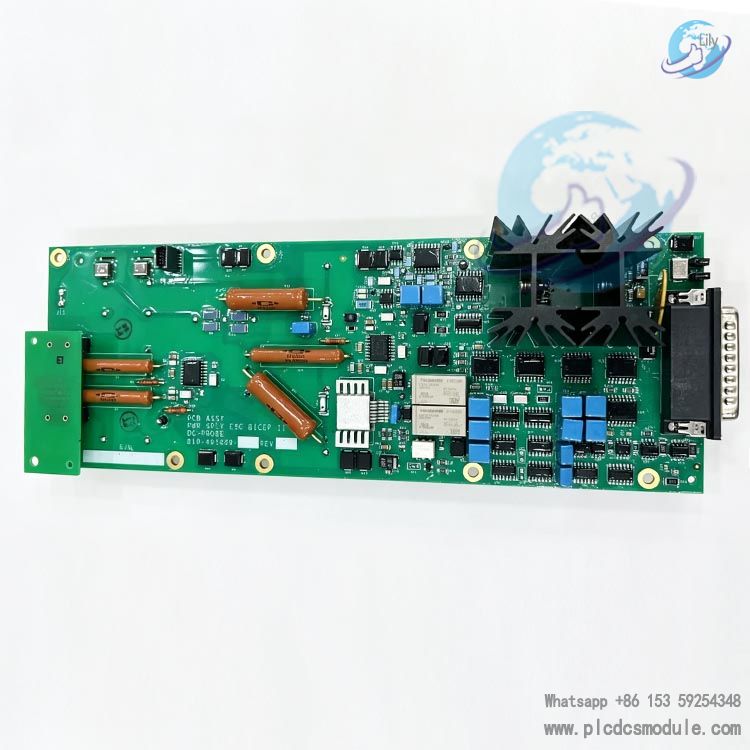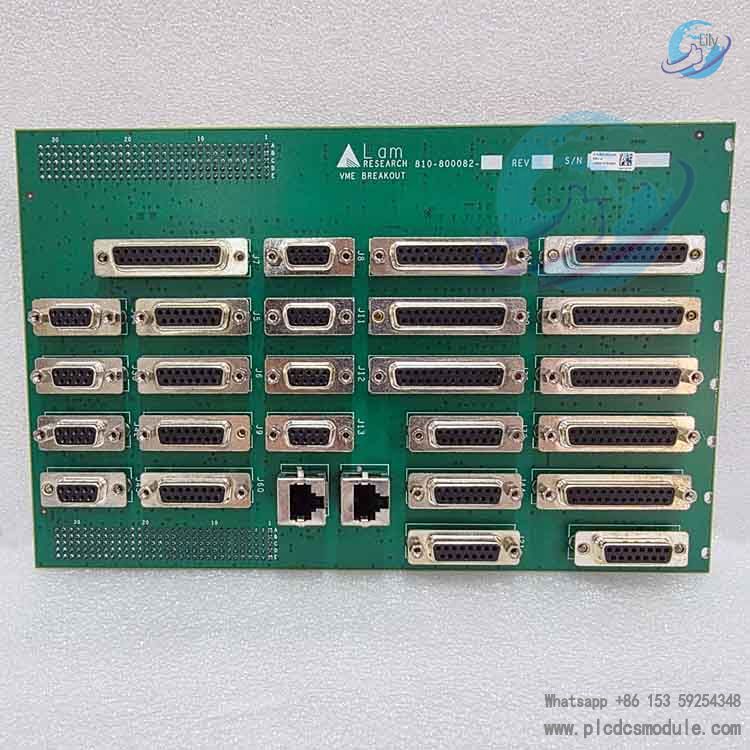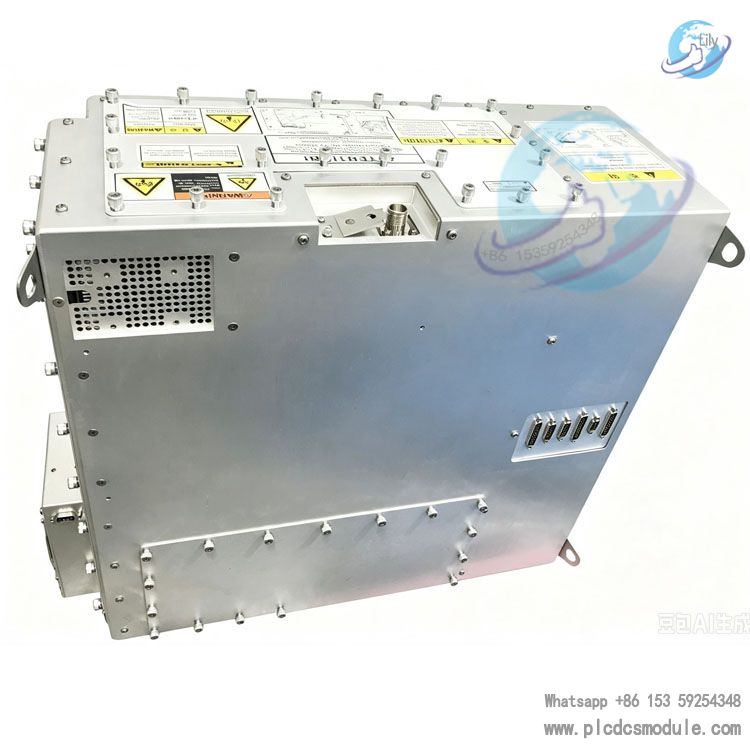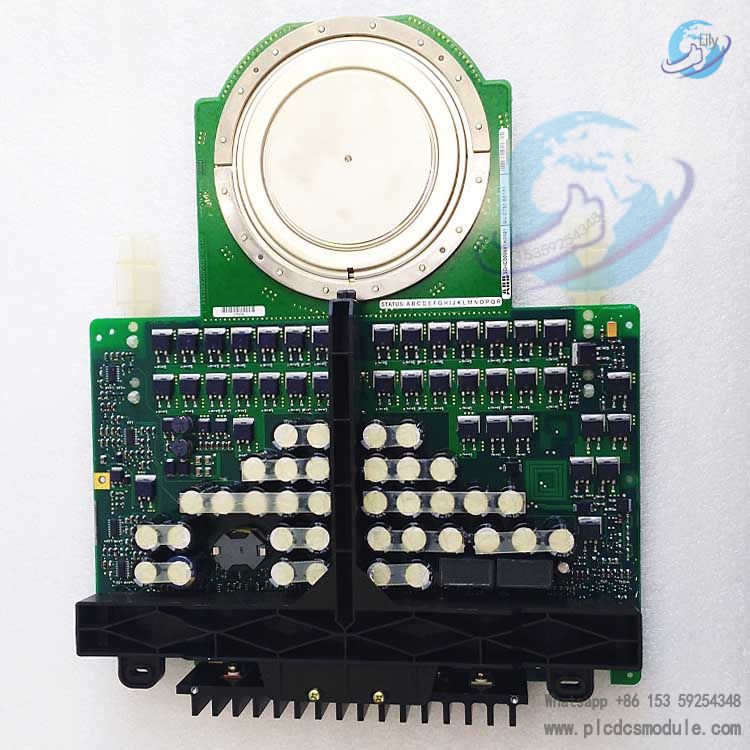


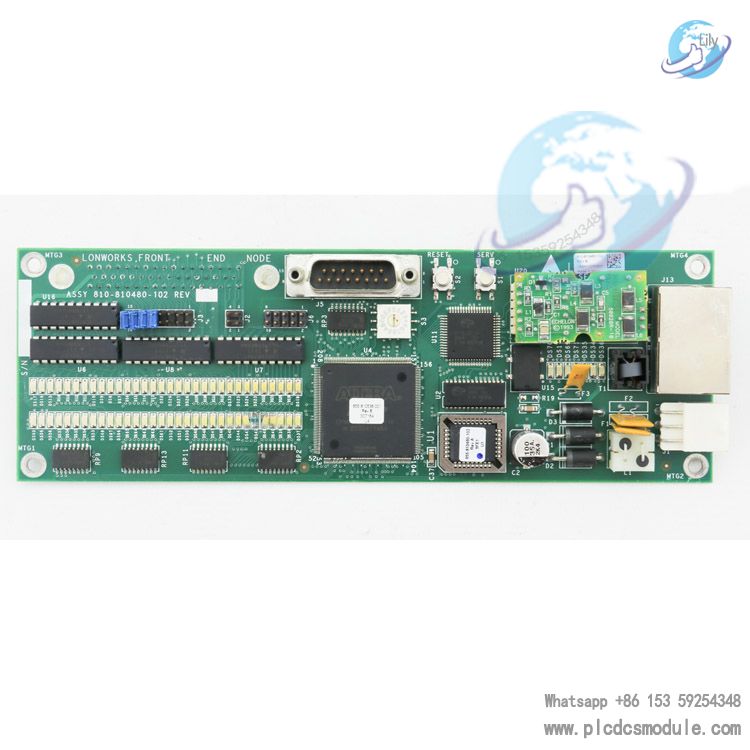
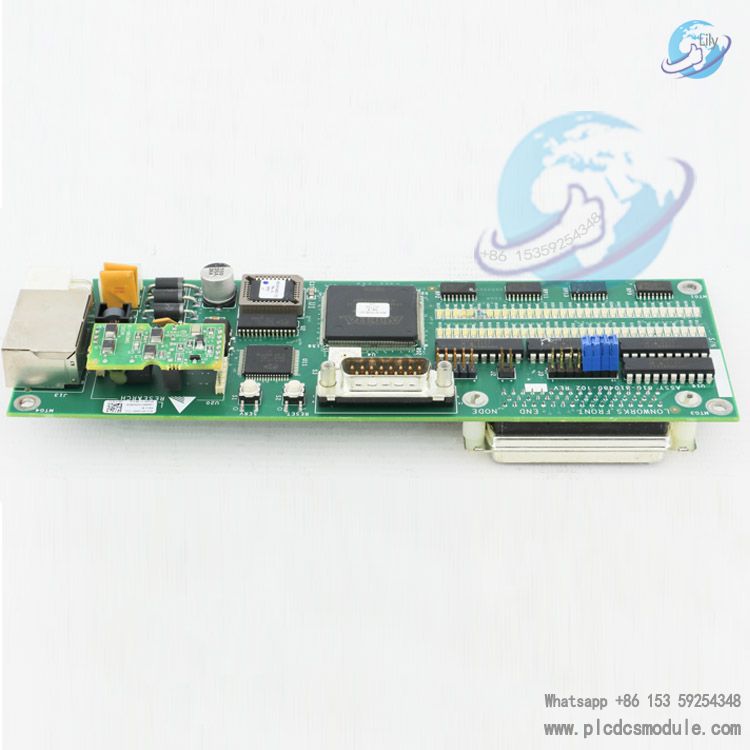
Model 810-810480-001 from LAM Research is an original standard VME bus printed circuit board exclusively matched for Lam etch and thin film deposition equipment. As the core communication backplane module of the equipment master control system, it fully complies with LAM original hardware design specifications and supports the VME64 industrial bus architecture.
It undertakes data transmission, signal distribution, power supply allocation and slot expansion for multiple control subsystems of the whole machine. This circuit board is only compatible with specific series of LAM semiconductor processing equipment, and delivers a unified hardware interaction channel for all functional boards including RF control, vacuum monitoring, motion control and gas flow acquisition.
Each unit undergoes complete circuit burn-in and EMC electromagnetic compatibility testing before factory delivery. It is an irreplaceable underlying hardware to guarantee stable mass production of wafer etching and deposition tools. All circuit layouts, component selections and interface definitions are designed in accordance with official LAM equipment drawings.
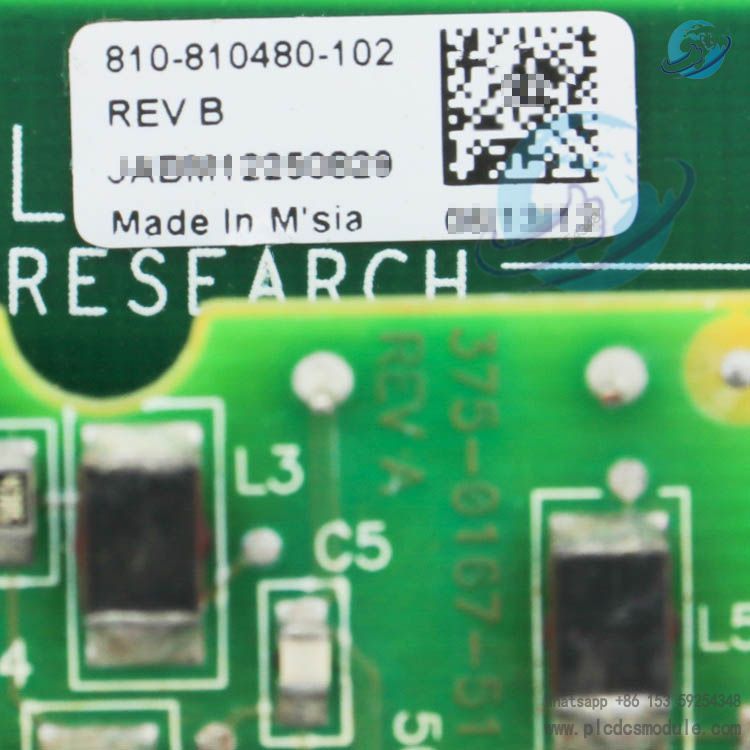
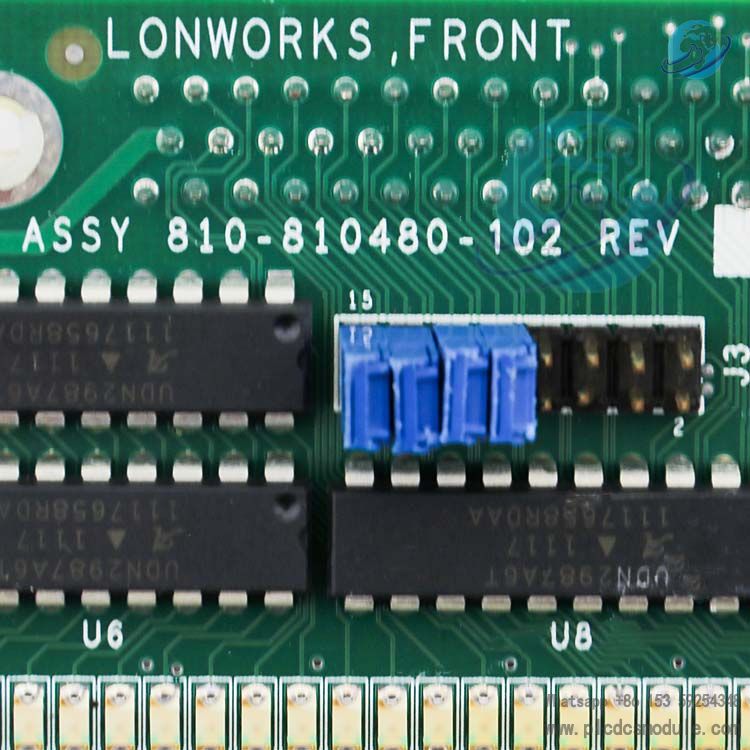
Model Breakdown: 810-810480-001
- 810Standard industrial PCB series prefix of LAM Research, dedicated to main control VME backplanes and interface circuit boards for semiconductor equipment. It differentiates this category from power modules, RF boards, signal acquisition boards and other hardware.
- 810480Unique part number of the product, corresponding to the VME communication backplane specially for etch tools. It distinguishes this board from other VME boards in the same series that match thin film deposition equipment and metrology equipment.
- 001Hardware revision number, representing the first stable mass-production version. Revised versions 002 and 003 only make minor adjustments to partial peripheral circuits, while the core bus logic remains fully consistent and backward compatible for replacement.
Core Features
Bus Architecture: Adopts standard VME64 bus with a maximum bidirectional data transfer rate of 150 MB/s. It supports parallel real-time data interaction of multiple boards and meets the millisecond-level signal response requirements of etching processes.
Hardware Interface Configuration
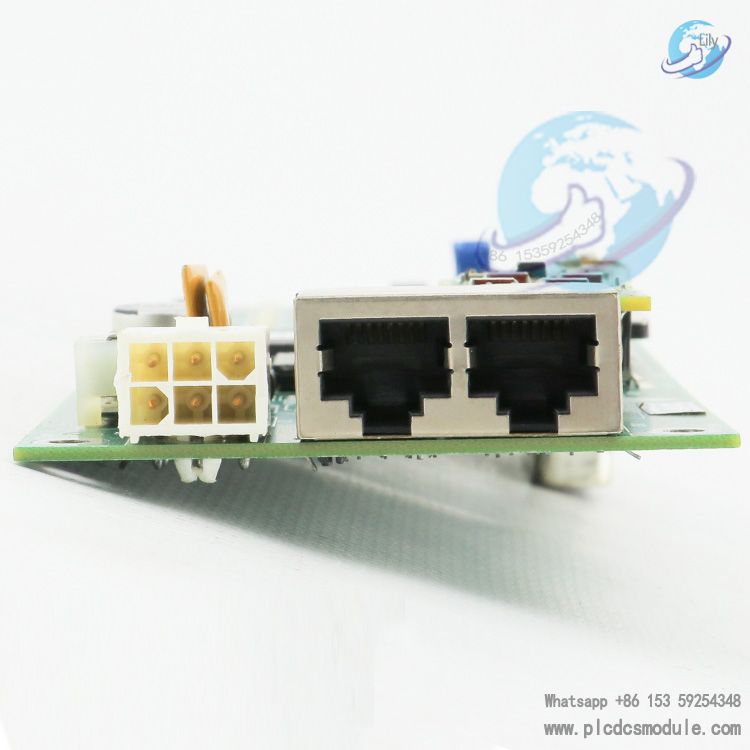
- Dual-side standard VME64 slot arrays compatible with processor boards, I/O acquisition boards and RF driver boards;
- Dual-channel Gigabit Industrial Ethernet ports for program interaction with the equipment host computer and upload of process logs;
- Multi-channel 5 V/12 V DC power output terminals to supply stable power to functional boards in slots;
- LVDS differential signal input ports for connection to chamber pressure, temperature and RF power sensors;
- Debug RS232 serial port and hardware fault status LED indicator bank.
Electrical Protection Features
Equipped with four layers of built-in hardware protection against overcurrent, overvoltage, electrostatic discharge and surge. Short-circuit of any slot will not damage the main control unit of the whole device. Onboard filter capacitor arrays suppress high-frequency electromagnetic interference from plasma chambers to prevent signal distortion.
Environmental Adaptation Parameters
- Standard operating temperature: 0 °C ~ 70 °C; storage temperature: -25 °C ~ 85 °C;
- Compliant with Class 1000 cleanroom standards for semiconductor manufacturing. The anti-oxidation solder mask on the PCB surface resists trace acid and alkali volatiles in cleanroom environments.
Structural & Manufacturing Specifications
Standard single-board industrial VME form factor with reinforced metal frames for vibration resistance. The board edge connectors feature thickened gold plating to guarantee stable contact after ten thousand plug/unplug cycles. Multi-layer shielded wiring minimizes signal crosstalk.
Application Industries
Core Wafer Fabrication Production Lines
Compatible with 8-inch and 12-inch wafer etchers, dielectric etchers and conductor etchers. Serving as the main control bus backplane of equipment, it manages all process signals for plasma etching. It also matches ALD (Atomic Layer Deposition) and CVD (Chemical Vapor Deposition) equipment to realize closed-loop coordinated control of thin-film growth temperature, gas flow and vacuum level.
Advanced Packaging Process Workshops
Applied to Chiplet packaging and TSV (Through-Silicon Via) etching equipment, ensuring synchronous communication among multiple modules of high-precision microfabrication equipment.
Semiconductor Equipment Maintenance & Spare Parts Suppliers
Standard original manufacturer spare parts for refurbishment of used Lam Research equipment and replacement of faulty spare parts on production lines. Compatible with existing LAM equipment deployed in major domestic wafer fabs and packaging & testing facilities.
Comparison of VME Series Boards
Model 810-810480-001
Positioning: Universal VME communication backplane for etchersCore Functions: Bus signal transfer, multi-channel power supply, multi-sensor signal acquisitionCompatible Equipment: Full range of Lam Research etchersAdvantages: Complete set of interfaces integrating communication and power supply, highest versatility for mass production linesDisadvantages: Relatively large form factor, only compatible with large main control cabinets
Model 810-800081-021
Positioning: Simplified VME backplaneCore Functions: Basic bus expansion only, no integrated multi-channel power supplyCompatible Equipment: Small-scale deposition lab test equipmentAdvantages: Compact structure, lower costDisadvantages: Requires external auxiliary power modules, limited sensor interfaces; not recommended for mass production tools
Model 810-069751-104
Positioning: VME main control processor boardCore Functions: Equipment computing and control, no bus expansion slotsCompatible Equipment: New-generation integrated deposition systemsAdvantages: Equipped with dedicated independent computing chip, superior processing performanceDisadvantages: Cannot function as a standalone backplane; must operate in conjunction with Model 810-810480-001 above
Frequently Asked Questions
Q1: Is this VME board compatible with etchers from other brands such as Applied Materials and TEL (Tokyo Electron)?
A1: Cross-brand compatibility is not supported. The bus pinout definitions, underlying communication protocols and power supply logic of this board are custom-designed exclusively for LAM equipment. It only works with original designated Lam Research models. The bus architectures of other semiconductor tools are incompatible. Forced installation will immediately trigger short-circuit alarms on the entire machine.
Q2: Model revision ending with suffix 001 has been discontinued. Can the 002 version serve as a direct replacement?
A2: The 002 version only optimizes a small portion of peripheral filter circuits. The core VME bus logic, slot interfaces and power supply specifications remain unchanged. No modification to equipment software is required; direct plug-and-play replacement is available without deviation to process parameters.
Q3: The VME bus alarm is triggered on equipment startup with a steady red indicator light. Which parts of the board should be inspected first?
A3: Prioritize three inspection points:
- Check for dust accumulation or oxidation on gold fingers and wipe them with a cleanroom wipe;
- Verify loose or poor connections on power terminals and Ethernet connectors;
- Inspect whether the board fuse is blown.These three areas account for 90% of all bus alarm failures. If no abnormality is found after inspection, replace the board for further testing.
Q4: How frequently should dust removal maintenance be performed on this board in high-dust workshop environments?
A4: For mass-production lines operating 24/7, shut down equipment for dust cleaning every 3 months. For intermittent laboratory test equipment, conduct maintenance every 6 months. Remove dust from VME slots and gaps between board components to prevent electrostatic short circuits.
Q5: If the board triggers an overtemperature alarm, what solutions are available besides dust cleaning?
A5: Check the operating status of cabinet cooling fans and ensure ventilation channels inside the cabinet are unobstructed. For persistent high-temperature conditions, install an external cooling air duct for the cabinet. Do not stack multiple boards together; maintain sufficient ventilation space around each single board.
Q6: Do original equipment process recipes need to be re-backed up and rewritten after board replacement?
A6: No program re-flashing is necessary. Equipment process recipes are stored on the main control CPU board. This model only handles bus signal transfer. After replacement, the equipment automatically loads the original process parameters and can resume production once no-load self-test passes.