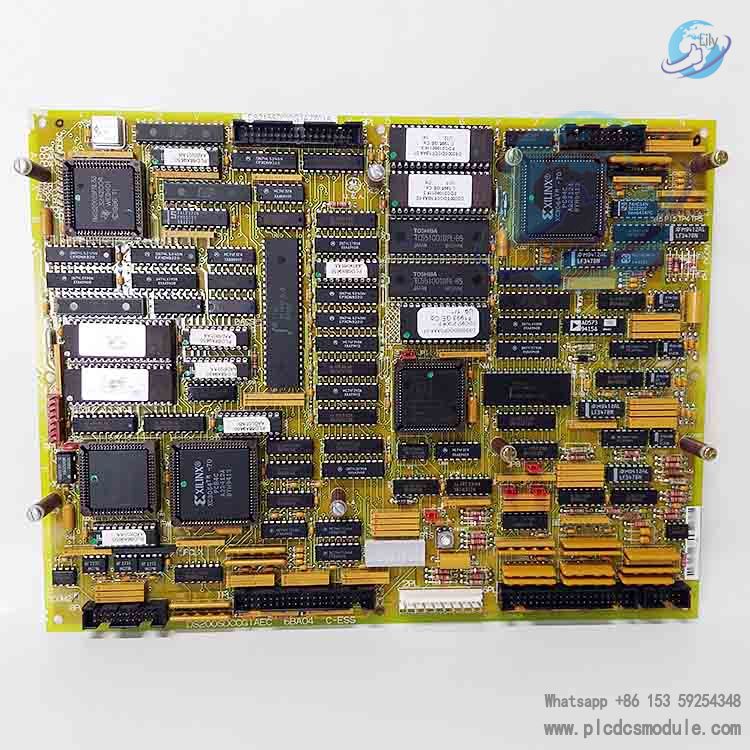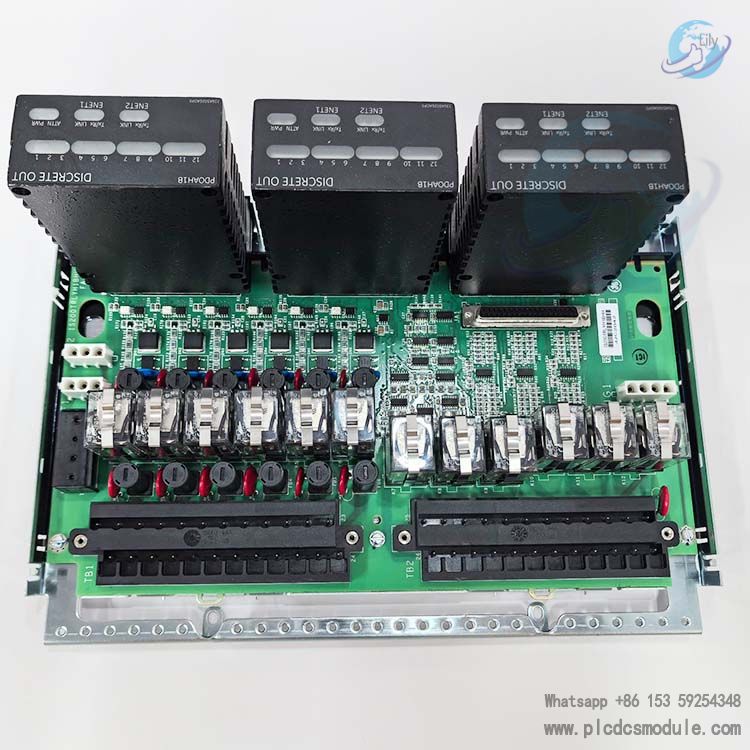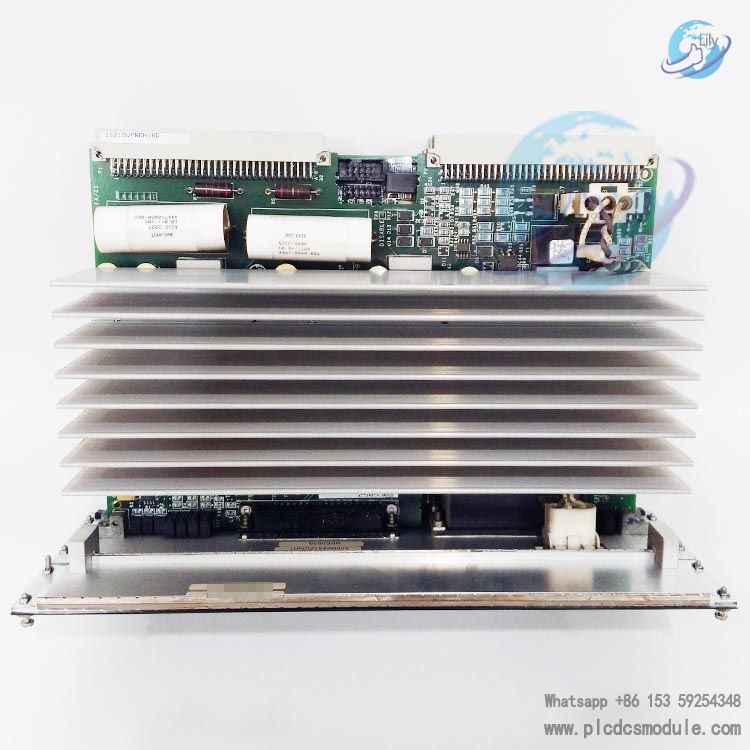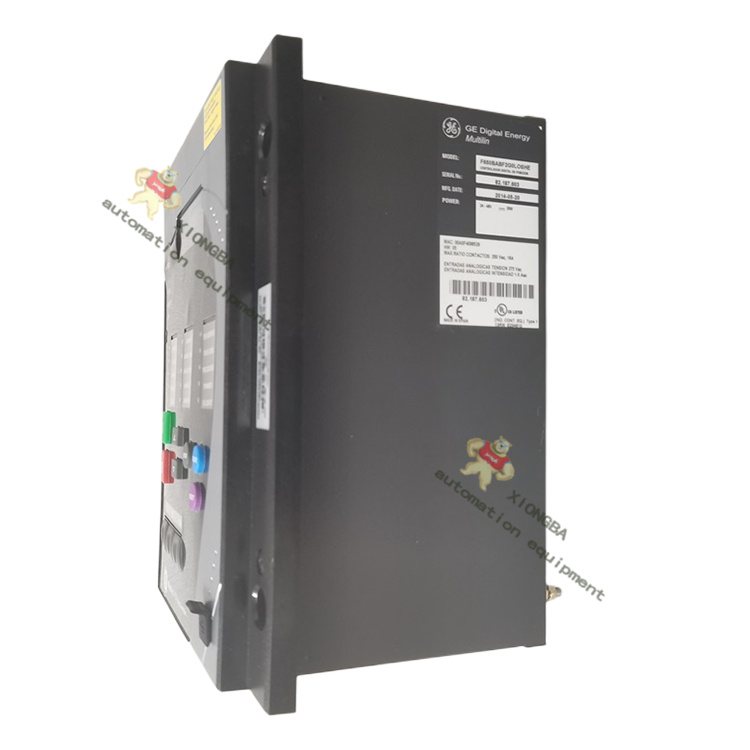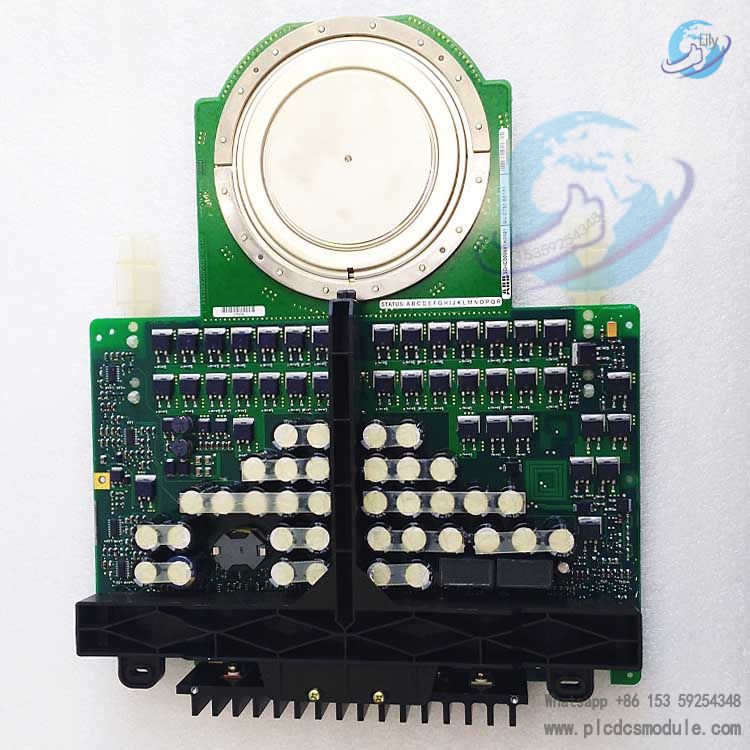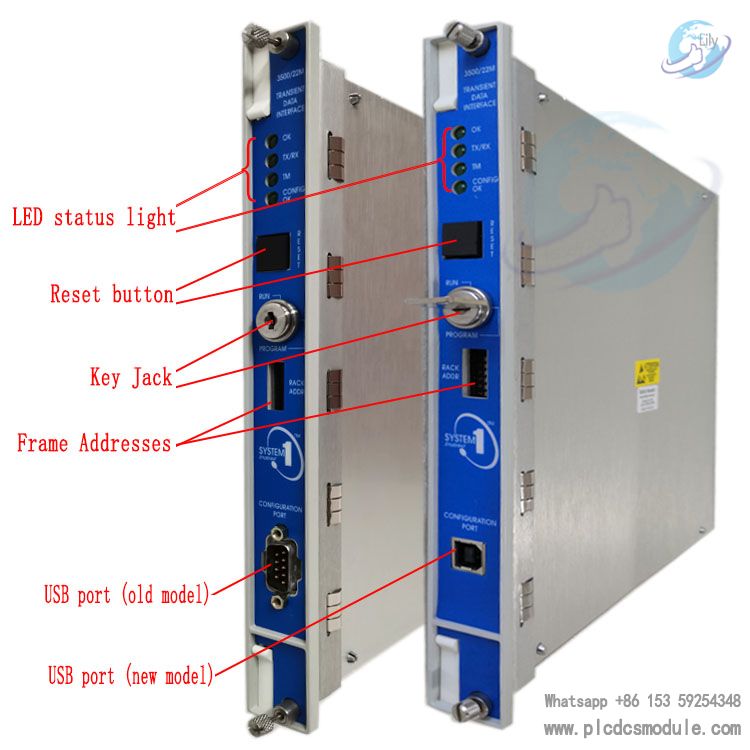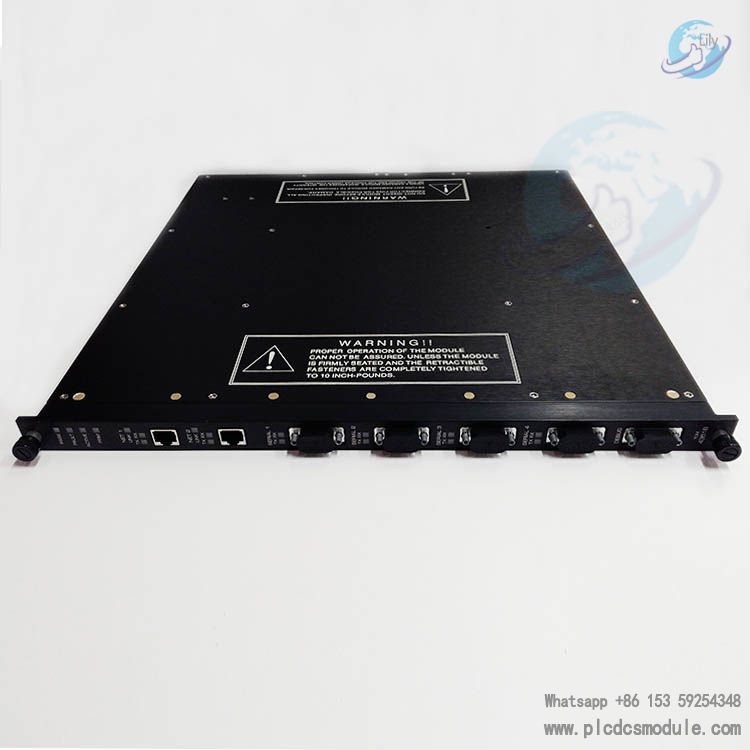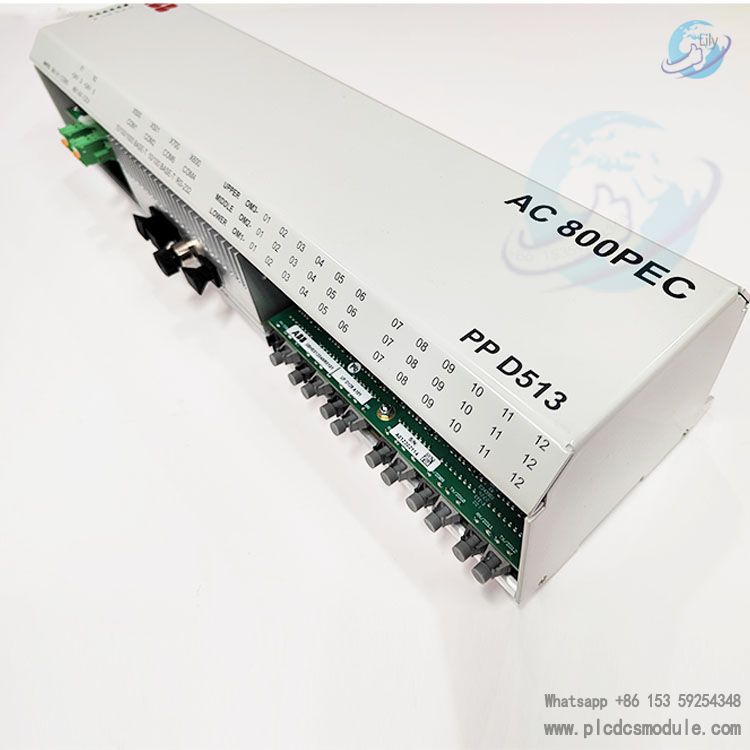


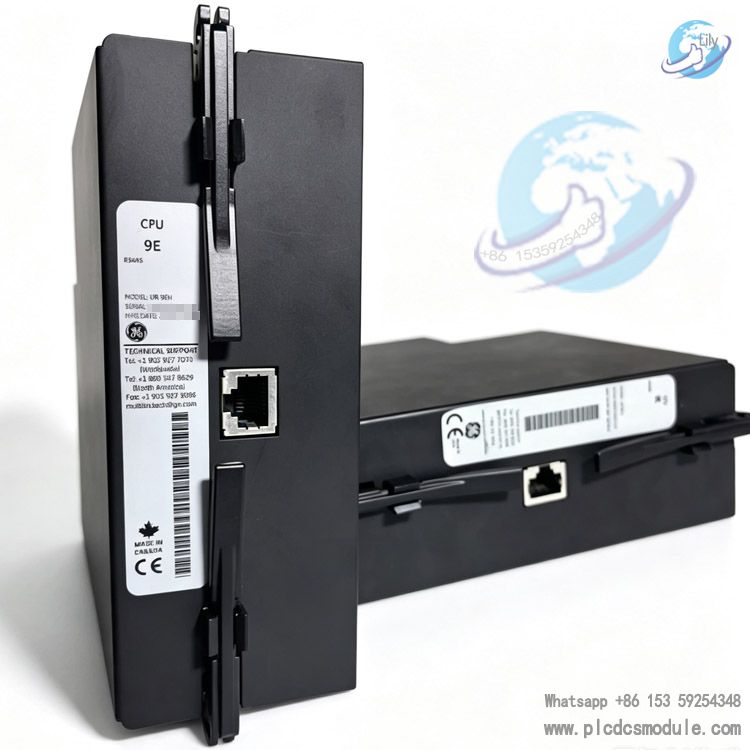
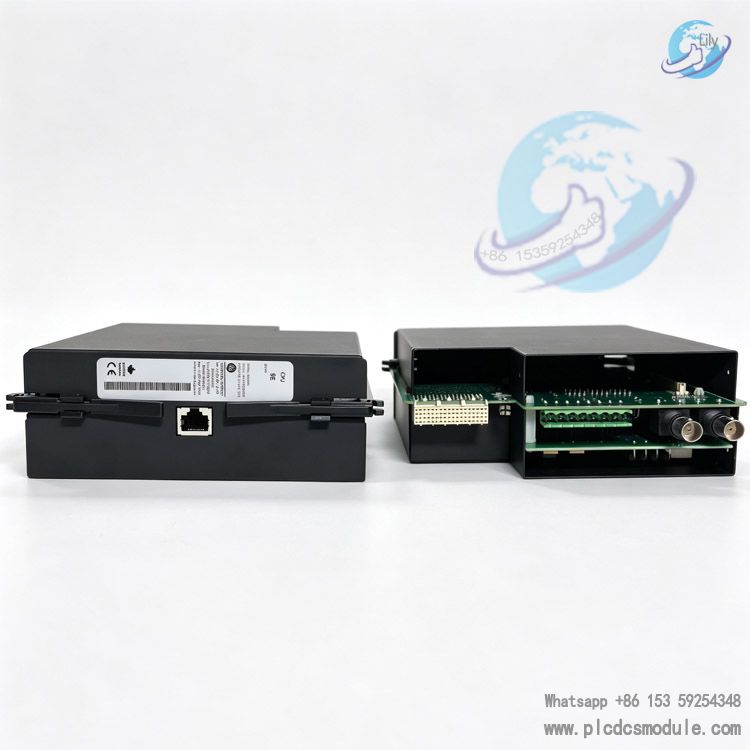
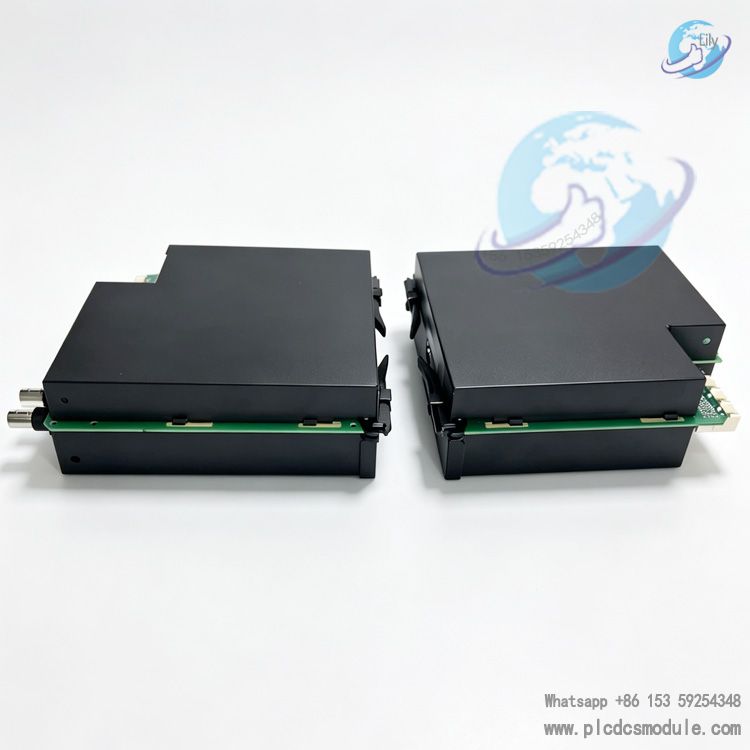
GE Multilin UR9EH (also marked UR-9EH) is the core processing unit matched with the UR universal protection relay platform and serves as the computing heart of the complete relay protection device. Equipped with a 32-bit high-speed processing architecture, it undertakes all core tasks including protection algorithm calculation, programmable logic execution, fault record storage, and multi-protocol communication interaction.
The UR9EH module is compatible with the new-generation UR series protection devices and is mainly applied for hardware replacement of legacy equipment and system performance upgrades. Adopting a plug-in backplane slot design, the hardware withstands harsh temperature, humidity and electromagnetic interference conditions in industrial substations. It must operate paired with CT/VT signal acquisition modules bearing matching batch labels; hardware mismatch will directly trigger DSP error alarms and hardware incompatibility alerts, rendering the unit incapable of normal commissioning.
The module overall dimensions are 165mm × 152mm × 64mm with a net weight of 0.737kg. It draws power from the device backplane and requires no separate surge grounding wiring. It is applicable to various protection mainframes for power generation, power transmission & distribution, and industrial self-owned power stations.
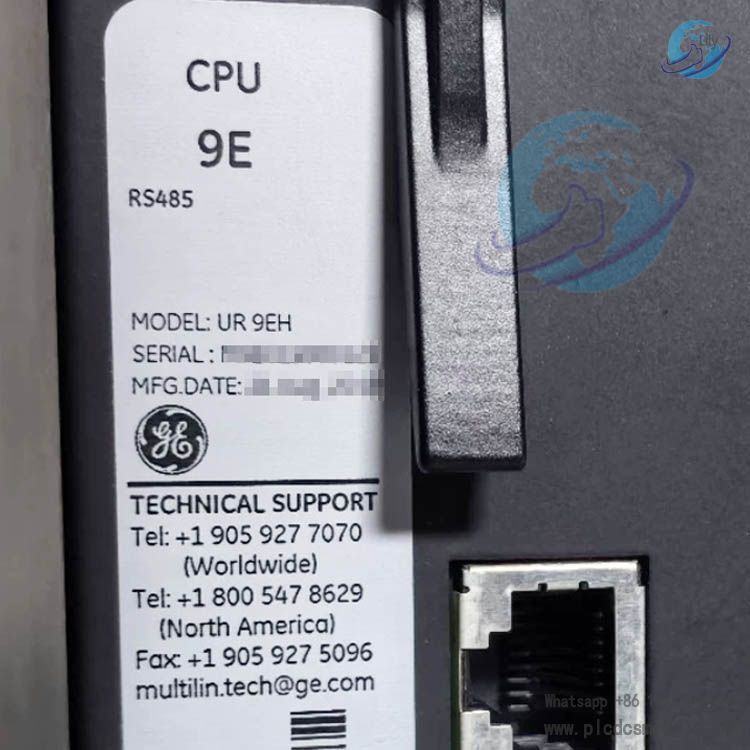
Model Decoding of UR9EH
UR: Series code for Universal Relay platform 9: Classification code for CPU core module, differentiated from I/O, CT/VT, communication and other functional boards E: Hardware generation marker, denoting new upgraded main computing board compatible with new CT/VT acquisition modules marked with blue labels H: Performance grade code, representing high-spec version with high-density large memory and high-speed communication, differentiated from standard CPU models UR9E and UR9G
Core Matching Rule
UR9EH (Generation E CPU) is only compatible with new-generation CT/VT modules of series 8F/8G/8H/8J. Legacy CPUs such as 9A/9C only match old acquisition boards. Cross-generation mixed use will trigger hardware errors and fail to start the device.
Product Features
Hardware Performance
Adopts a 32-bit dual-core processor architecture. The RISC core handles logic operation, communication and HMI interaction, while an independent DSP core executes all power protection algorithms including differential protection, overcurrent protection and ground fault protection. Total power consumption: 8W, powered by backplane DC supply without external independent power supply. The entire circuit board is coated with three-proof coating to resist moisture, dust and corrosive gas.
Storage & Recording
Flash memory is partitioned to store firmware, setting parameters, event logs and fault oscillography; data is permanently retained after power failure. Supports classified event alarm tags to distinguish severe faults, pre-alarms and common remote signal changes. All logs carry accurate millisecond timestamps, complying with SOE sequence-of-event recording standards.
Communication Functions
1 × 10/100Base-T Ethernet port and dual isolated RS485 buses. Supported protocols: Modbus, IEC61850 Ed1/Ed2, MMS, GOOSE, SV process bus. Supports routed GOOSE cross-area protection interlock, suitable for process layer networking of smart substations.
Configuration & Logic
Comprehensive built-in programmable logic library supports customized protection criteria, circuit breaker control logic and busbar automatic transfer logic. Idle IEC61850 client services can be disabled to release computing resources and accelerate protection response. Firmware supports remote online upgrade via Ethernet with no need for on-site disassembly.
Environmental & Safety Performance
Wide-temperature fanless passive cooling design with no consumable fan parts. Electrical isolation on all channels prevents secondary circuit crosstalk from damaging the computing unit. Zoned LED status indicators display operation, communication, fault and synchronization status for intuitive on-site module status judgment.
Application Industries
- Power Transmission & Distribution: Core computing unit for line protection, bus differential protection and distribution feeder protection devices in urban 10kV/35kV/110kV substations.
- Power Generation: Matching CPU for generator protection, main transformer protection and auxiliary power automatic transfer equipment in hydropower, thermal power, photovoltaic and wind power plants.
- Heavy Industry Self-Owned Power Stations: High-voltage motor protection and factory transformer protection systems for steel, non-ferrous smelters and large chemical industrial parks.
- Oil & Gas Energy: High-voltage power distribution protection equipment for offshore platforms, refineries and booster stations along long-distance transmission pipelines.
- Rail Transit: Relay protection devices for high-speed railway and metro traction substations.
Large Water Pump Stations: Protection for high-voltage pump units in major water conservancy hubs and urban sewage treatment plants.
Product Comparison
UR9EH vs UR9AH
Computing Performance: The memory and flash storage capacity of UR9EH are doubled with a higher upper limit for logic processing, suitable for large multi-bay substations. UR9AH is an older basic CPU with limited storage capacity, only applicable to small single-bay feeder protection.
Hardware Compatibility: UR9EH works with new CT/VT modules marked in blue, while UR9AH is matched with legacy acquisition modules. The two models are non-interchangeable and must not be mixed.
Communication Expansion: UR9EH natively supports R-GOOSE wide-area communication, whereas UR9AH only features basic GOOSE without cross-substation routing capability.
Applicable Scenarios: UR9EH is used for main transformer, generator and busbar protection; UR9AH is for simple protection of small single-circuit 10kV feeders.
UR9EH vs UR9EV
UR9EV is optimized for communication expansion with weaker computing power for protection algorithms compared to UR9EH. UR9EH centers on power protection calculation with communication as an auxiliary function. UR9EH is preferred for large generating units and differential protection, while UR9EV is an option if only remote data acquisition and transmission are required.
UR9EH vs UR9G
UR9G is a standard low-spec version with half the storage capacity and a maximum of 400 logic elements. UR9EH is a high-density high-spec model and mandatory for complex busbar automatic transfer and multi-stage differential protection applications.
Matching Accessories & Supporting Products
- UR Series CT/VT Acquisition Modules: 8F, 8G, 8H, 8J (new blue-label versions, mandatory matching units for UR9EH)
- UR Series Equipment Chassis: Standard 6-slot & 12-slot universal protection chassis
- HMI Display Panel: Matching color LCD operation panel for UR series
- Communication Expansion Boards: UR Ethernet expansion modules, fiber-optic GOOSE communication cards
- Configuration Software: Complete EnerVista UR configuration and commissioning software suite
- Auxiliary Accessories: Shielded RS485 communication cables, anti-static wrist straps, terminal torque screwdrivers
Complete Protection Relays: Full UR series protection devices including F35, T60, G60, B30, M60
FAQ
Q1: How to confirm whether UR9EH is compatible with existing protection relays on site before purchase?
A1: Check the labels of internal CT/VT modules inside the device. If the modules carry blue labels, UR9EH can be purchased directly. Legacy modules with yellow or white labels are incompatible and a full set of new acquisition boards must be replaced simultaneously to eliminate hardware mismatch faults.
Q2: Can UR9EH be purchased separately? Are there any usage restrictions if bought without the complete unit?
A2: It can be purchased individually as a spare part with no mandatory requirement to buy the whole relay together. However, it must be paired with CT/VT modules of the same hardware generation after separate procurement. The CPU module cannot operate independently, and protection functions will be unavailable without matching acquisition units.
Q3: Does UR9EH support remote online firmware upgrade? Will protection operation be interrupted during the upgrade?
A3: Remote firmware upgrade via Ethernet is supported. The module maintains basic protection logic throughout the upgrade without tripping site protection outputs, while communication and fault oscillography functions are temporarily suspended. It is recommended to perform upgrades during low-load periods.
Q4: Is power cut mandatory for on-site UR9EH replacement? Are there safety risks for hot swapping?
A4: The hardware supports live hot swapping, yet the secondary CT current circuit bears risks of open-circuit electric arcs. Maintenance standards recommend cutting off the main power supply of the device prior to replacement. If urgent live replacement is required, short-circuit CT secondary terminals in advance to prevent hazardous high voltage caused by CT open circuits.
Q5: The device keeps reporting DSP ERROR after UR9EH power-on. What are the root causes?
A5: Two primary causes:
- Generation mismatch between the CPU and CT/VT modules due to mixed use of new and legacy boards;
- Oxidation of backplane gold fingers or poor pin contact. Power off the unit, take out the module, wipe the gold fingers and reinstall for troubleshooting.
Q6: What faults lead to loss of fault oscillography data stored in UR9EH?
A6: Flash partition failures, frequent abnormal power cuts, or outdated firmware versions can all result in log loss. Regular online firmware upgrades and avoiding frequent forced power-off of the device can significantly reduce such failures.
Q7: What is the maximum number of UR9EH modules installable in one T60 transformer protection relay?
A7: A single standard UR chassis only accommodates one CPU module. The complete protection relay adopts a single-computing-core architecture with no support for parallel multi-CPU expansion. Deploy multiple standalone relays for large-capacity logic calculation across multiple bays.