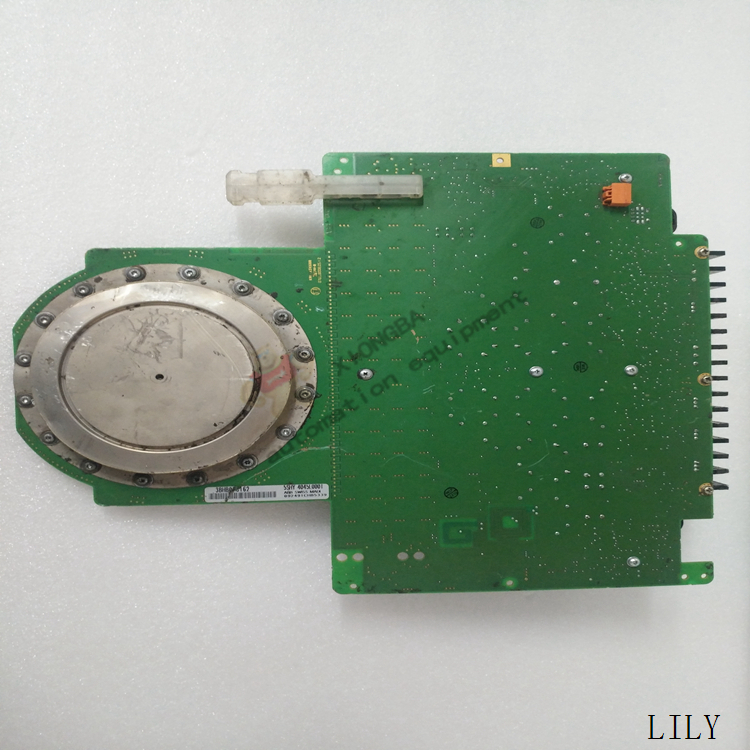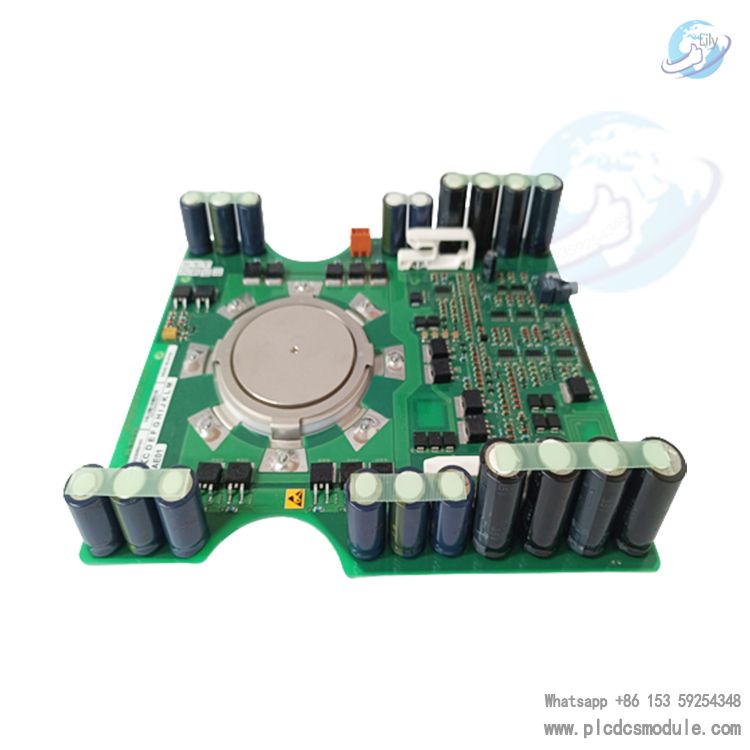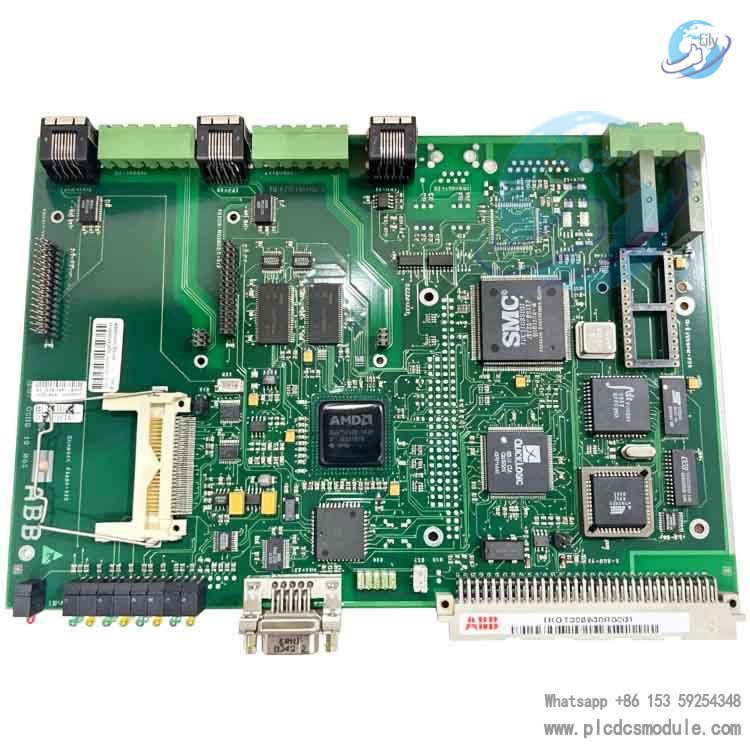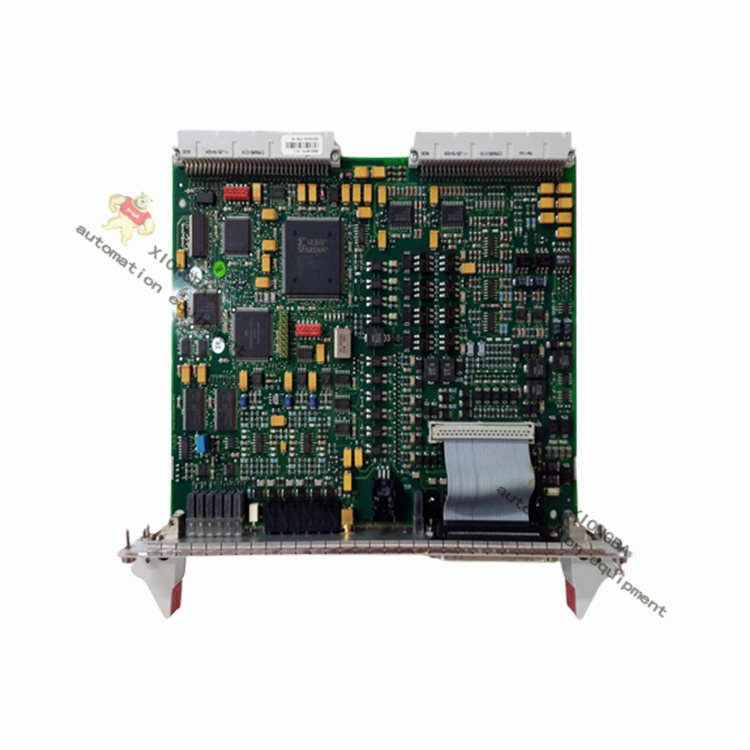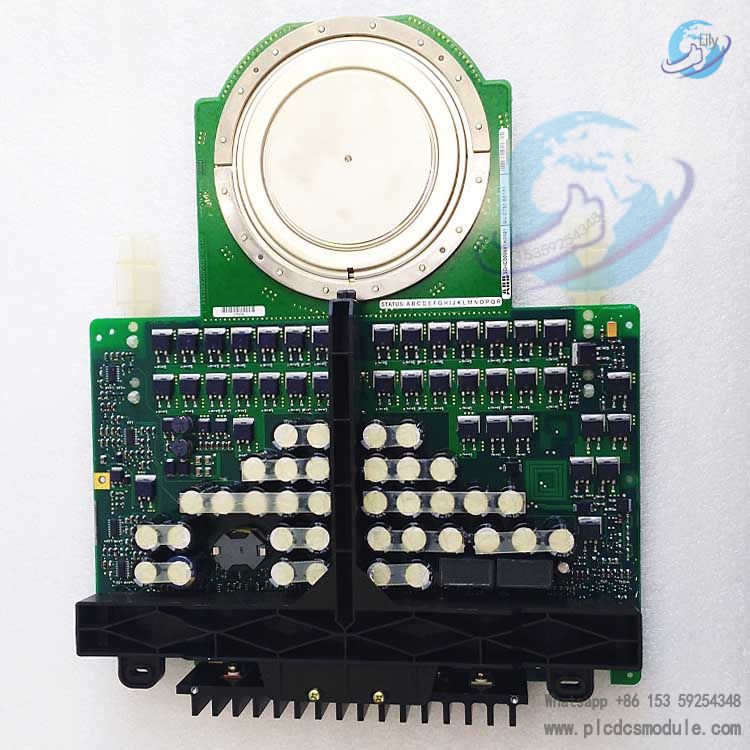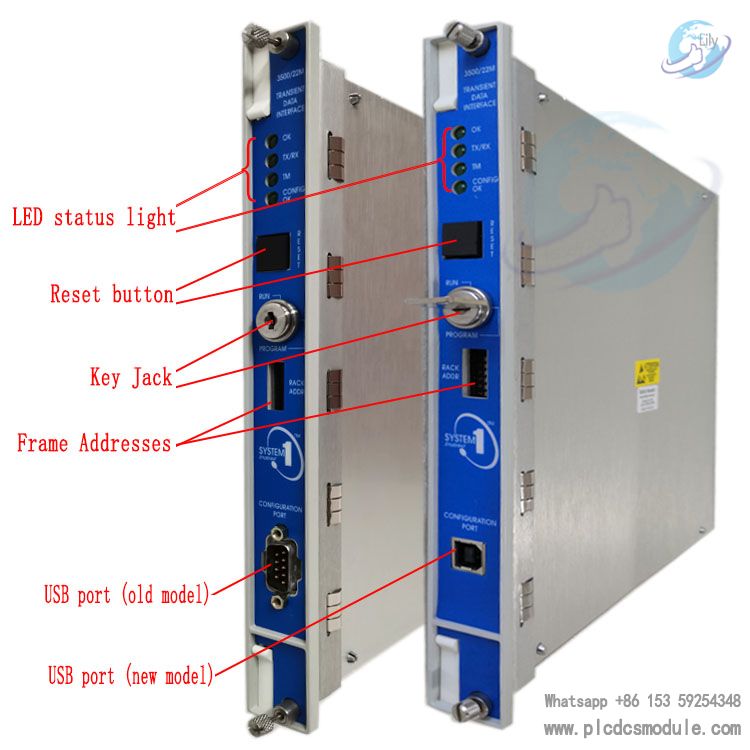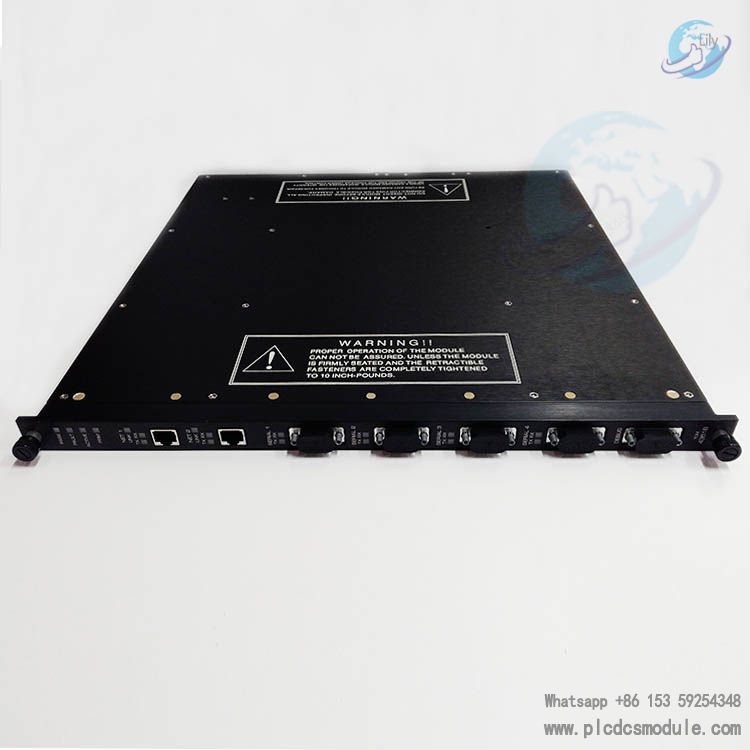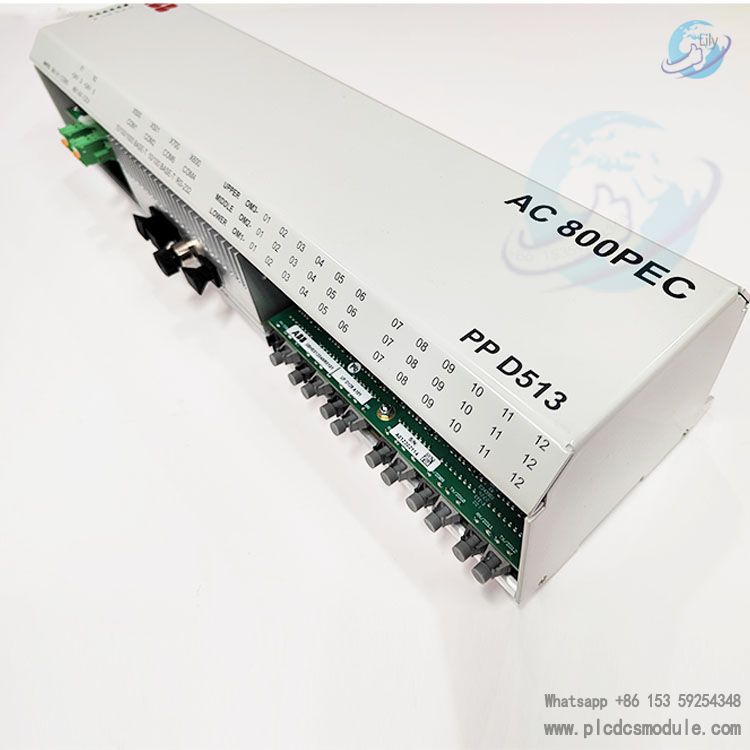


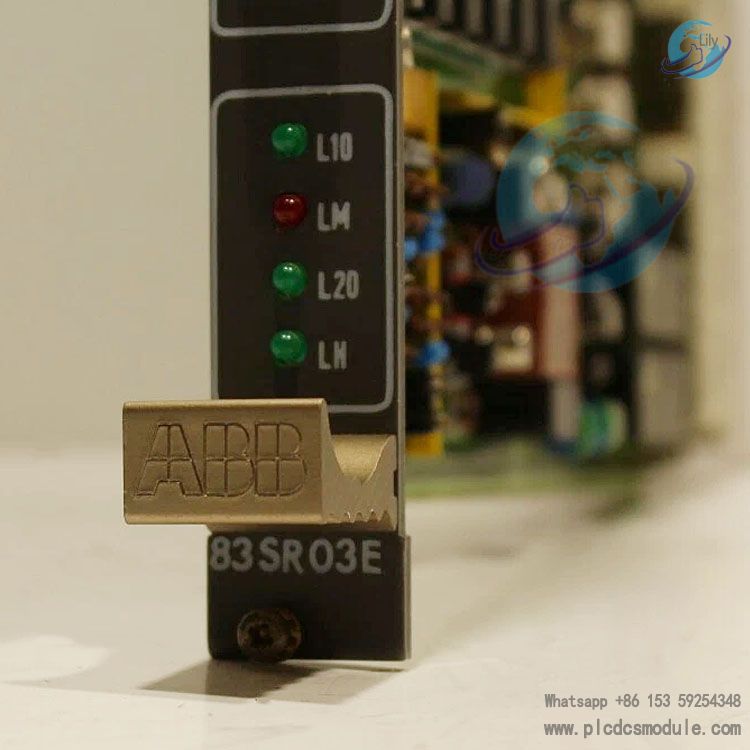
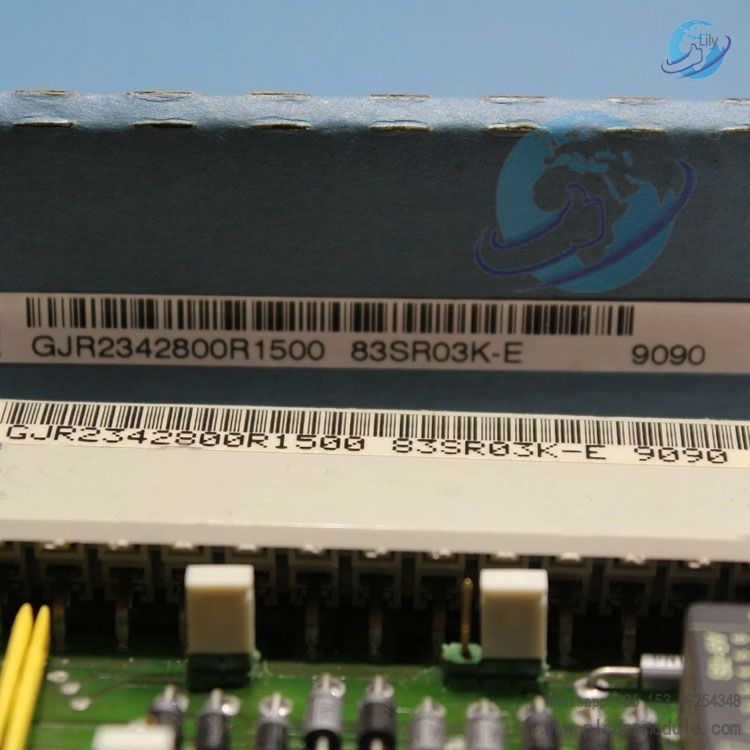
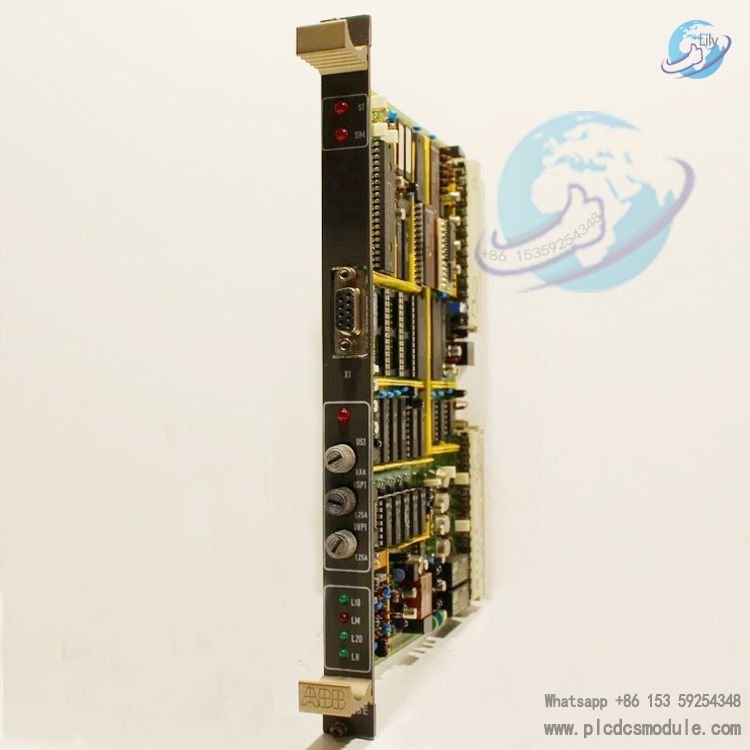
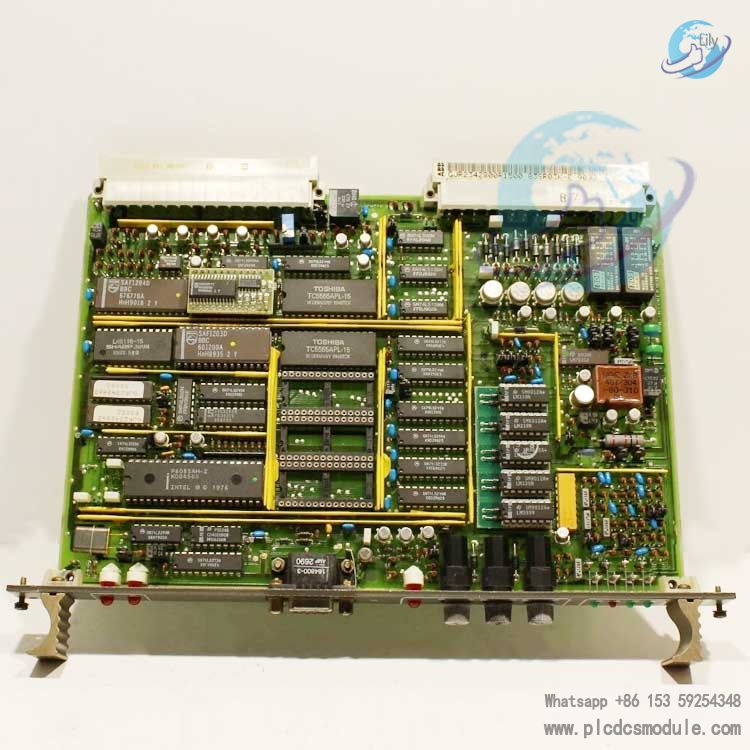
ABB 83SR03K-E 9090 (Order No. GJR2342800R1500) is a highly reliable control board belonging to classic ABB DCS control systems including Symphony and Advant. It provides core functions such as signal processing, logic control and communication for the system.Originating from Sweden, this board features industrial-grade, high-stability hardware design with strong anti-interference performance, wide-temperature operation and long service life. It is suitable for harsh working conditions in oil & gas, chemical, power, metallurgy, intelligent manufacturing and other industries, ensuring control accuracy and system stability in continuous production.Designed as a modular plug-in card, it can be directly integrated into standard ABB control cabinet racks. It supports hot swapping (select configurations) and flexible expansion, and is compatible with a full range of I/O and communication modules. It serves as a key component for both legacy DCS system upgrades and new system construction.
Core Technical Specifications
- Model: 83SR03K-E
- Order No.: GJR2342800R1500
- Type: DCS Control Board (9090 Board)
- Compatible Systems: ABB Symphony, Advant Controller series distributed control systems
- Power Supply: 24V DC (typical), supports redundant power input
- Physical Dimensions: Standard PLC/DCS plug-in size (approx. 120mm×100mm×30mm), weight approx. 0.5kg
- Channel Features: Integrated multi-channel analog/digital signal processing, high-precision AD/DA conversion, signal isolation voltage ≥500V AC
- Communication Interface: Built-in system bus interface, compatible with ABB proprietary control protocols, supports real-time communication with host computers, I/O modules and remote stations
- Operating Environment: Operating temperature -20℃~+60℃, humidity 5%~95% (non-condensing), protection class IP20 (cabinet-mounted)
- Reliability: MTBF ≥100,000 hours, supports hot swapping, self-diagnosis and redundant backup
Installation Specifications
Pre-Installation Preparation
- Environment Check: Ensure ambient temperature, humidity and electromagnetic interference meet specification requirements; keep away from strong vibration, corrosive gases and dust sources.
- Power-Off Procedure: Disconnect main and branch system power before installation; allow capacitors to discharge (≥5 minutes) and verify voltage <25V with a multimeter.
- Visual Inspection: Verify board model (83SR03K-E/GJR2342800R1500) and check for physical damage, pin deformation or loose components.
Hardware Installation
- Rack Compatibility: Insert into the corresponding slot of the standard ABB DCS rack; align with guides and connectors, push firmly until latched to ensure secure contact.
- Wiring Standards: Use shielded twisted-pair cables for signals; connect analog/digital, power and communication lines per terminal markings; single-point grounding for shielding; wiring torque per factory requirements (typically 0.5~0.8N·m).
- Redundancy Configuration: In redundant systems, install primary and standby boards in corresponding redundant slots and verify correct settings of redundancy jumpers and DIP switches.
Power-On Commissioning
- Sequential Power-Up: Apply rack power first, then board power; observe normal illumination of status indicators (PWR, RUN, COM, FAULT).
- System Recognition: Confirm board detection via DCS configuration software (e.g., ABB Control Builder) and verify firmware version and configuration parameters.
- Functional Testing: Simulate input signals to verify acquisition accuracy, logic output and communication transmission with no alarms or data anomalies.
Maintenance & Servicing
Routine Inspection
- Weekly: Check board status indicators – steady green PWR and RUN lights, off red FAULT light; inspect cabinet ventilation and temperature for overheating or unusual odors.
- Monthly: Remove dust from cabinet and board surfaces using low-pressure compressed air (do not blow directly on component pins); check terminals and connectors for looseness or oxidation.
Periodic Maintenance
- Semi-Annually: Monitor 24V DC power fluctuation (±5%); test signal isolation and grounding resistance (≤4Ω); back up board configuration and firmware programs.
- Annually: Inspect components for swelling, discoloration or aging; perform switchover tests on redundant boards to validate redundancy; update firmware to the latest official stable version.
Storage & Replacement
- Spare Boards: Store sealed in a dry, dust-free, constant-temperature environment (15~25℃) with original anti-static packaging; power on periodically (once per quarter).
- Fault Replacement: Perform replacement under full power-off; remove faulty board and insert new one; restore wiring, reconfigure and calibrate, then commission after passing functional tests.
Frequently Asked Questions (FAQ)
Application Scenarios
- Power Industry: Generator unit control, substation automation, power grid dispatching systems
- Petrochemical Industry: Refining units, chemical reactors, oil & gas pipeline monitoring
- Metallurgy & Building Materials: Blast furnaces, rolling production lines, cement kiln control
- Intelligent Manufacturing: Automated production lines, robot control, precision processing equipment
- Municipal Engineering: Water treatment, HVAC, energy management systems