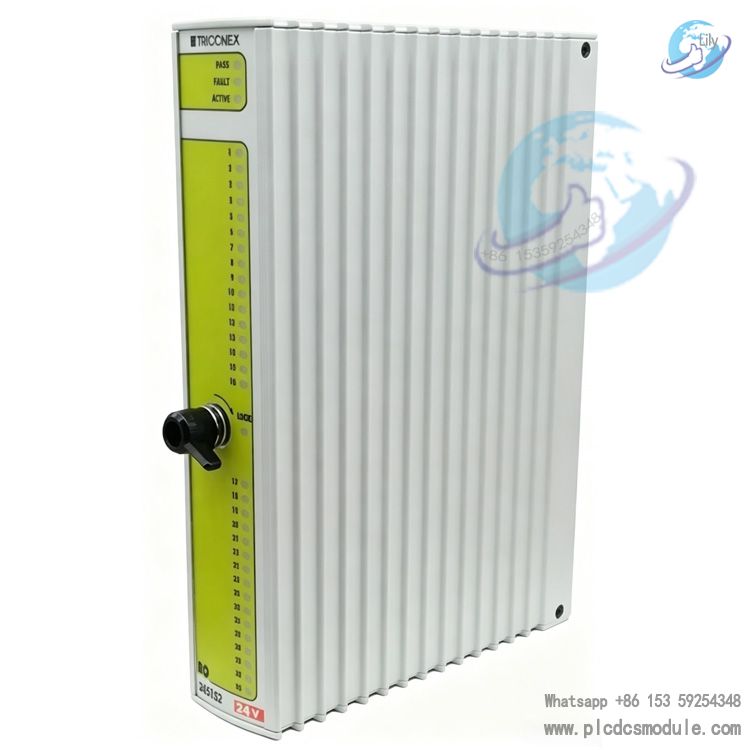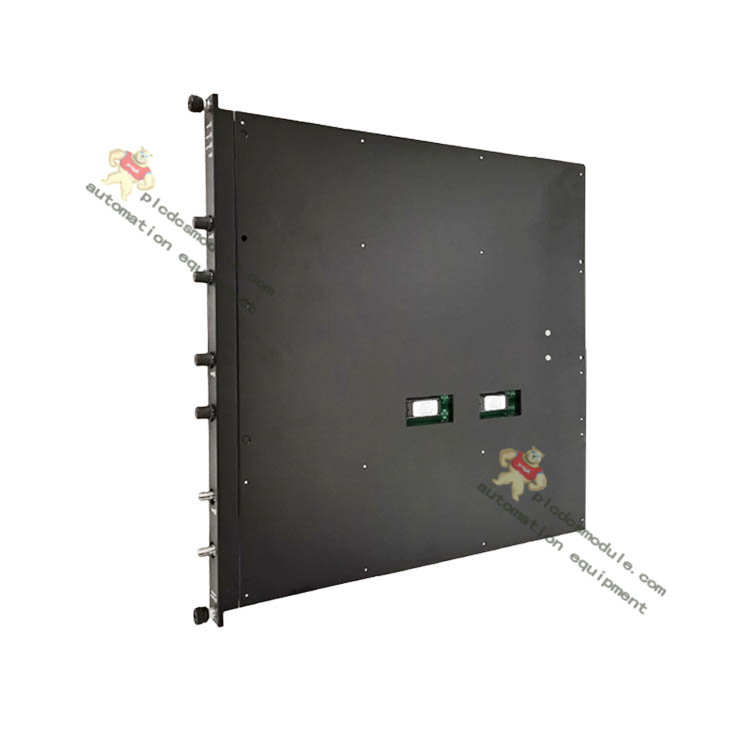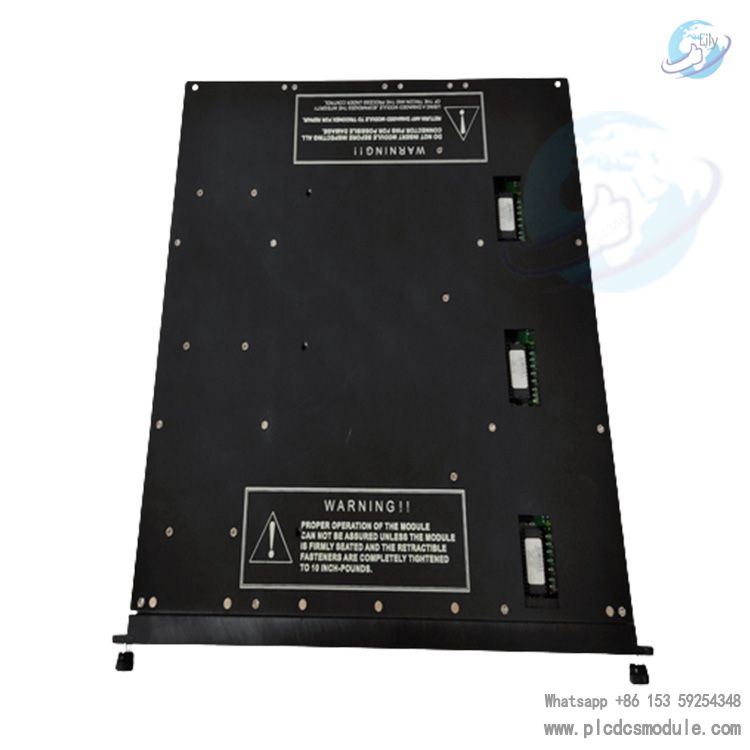


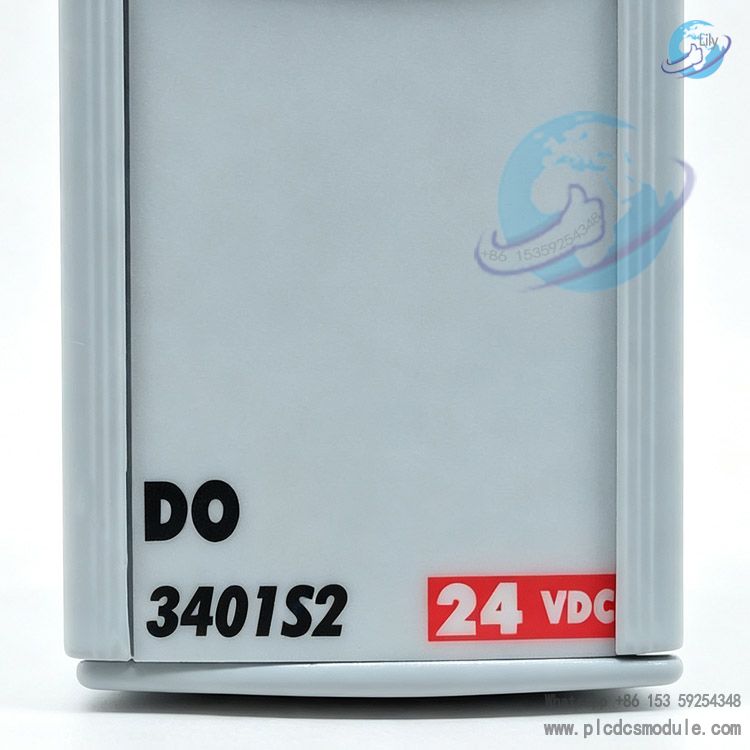
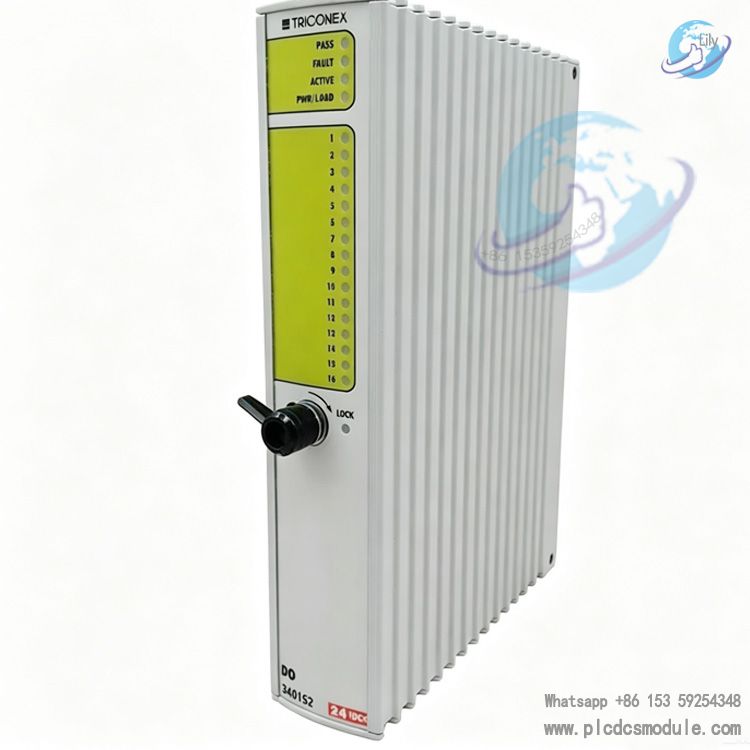
TRICONEX 3401S2 (Tri‑GP DO3401S) Digital Output Module
Product Introduction
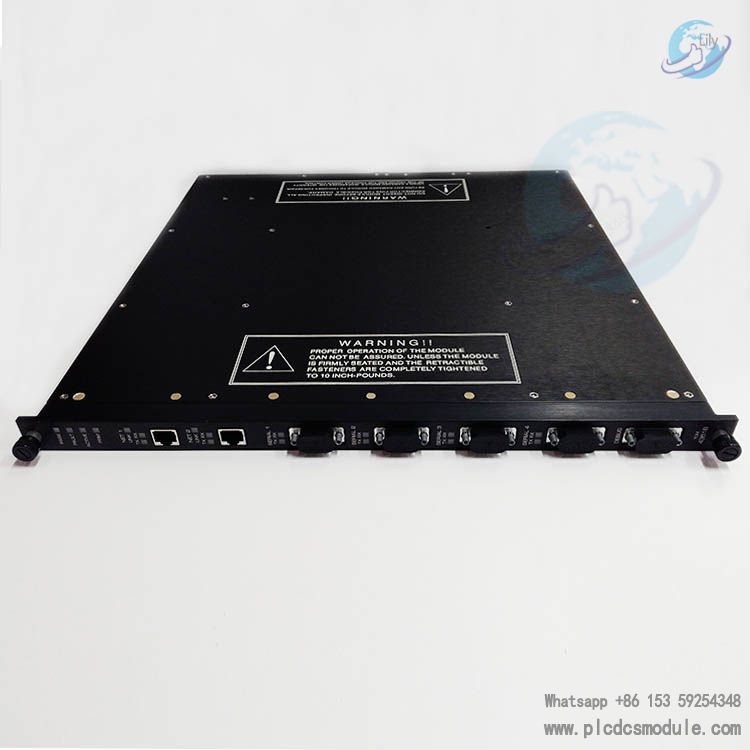
TRICONEX 3401S2 (Tri‑GP DO3401S) is a 16‑point common‑side digital output module for Tri‑GP v2 safety instrumented systems. Built upon TMR triple‑modular‑redundancy architecture, it drives field solenoid valves, relays, actuators and other discrete devices within safety interlock loops. The 3401S2 features OVD output loop diagnostics to detect stuck‑on / stuck‑off output states and latent faults of drive circuits online. It supports hot‑spare on‑line replacement, and mechanical keying prevents incorrect mating with mismatched baseplates, widely applied in process‑industry safety control applications.
Integrated over‑voltage and over‑current hardware protection is implemented. Loop‑back detection circuits continuously sample output status; diagnostic pulse width is less than 2 ms and will not disturb most field loads. OVD diagnostic function can be disabled for devices that cannot tolerate transient pulse disturbance.

Technical Specifications
| Item | Parameter Value |
| Channel Count | 16‑point, common‑ground reference |
| Rated Output Voltage | 24 VDC |
| Operating Voltage Range | 19‑30 VDC |
| Absolute Maximum Output Voltage | 33 VDC |
| Reverse Input Withstand Voltage | ‑0.6 VDC |
| Loop‑back Detection Threshold | 0‑5 VDC = Open state; 6‑14 VDC = Transition zone; 15‑30 VDC = On state |
| Off‑state Load Leakage Current | <1 mA |
| Diagnostic Glitch Pulse Duration | Max <2 ms, typical 500 μs |
| Minimum Toggle Interval | >20 ms |
| On‑state Voltage Drop @1.5A load | <1 VDC |
| Full‑channel Loop‑back Scan Time | <1 ms |
| Isolation Rating, Functional to Protective Ground | Min. 500 VDC |
| Isolation Rating, Functional to Logic Ground | Min. 800 VDC |
Core Advantages
- Comprehensive on‑line loop diagnostics: OVD output‑validation diagnostics momentarily invert each output point, and on‑board loop‑back ASIC reads loop conditions to uncover latent hardware faults and improve safety‑loop fault‑coverage.
- Hot‑swap hot‑spare maintenance: DO3401S supports on‑line faulty‑module replacement without system shutdown, reducing unplanned plant outage risk. Mechanical keying prevents insertion into incompatible baseplates.
- Built‑in hardware protection: integrated over‑voltage and over‑current safeguards protect the module against field‑side short‑circuit and over‑voltage events.
- Low‑interference diagnostic design: diagnostic transient pulses are limited to millisecond range, compatible with most industrial loads; OVD can be disabled for special‑case equipment.
- High isolation withstand voltage: robust isolation between functional ground and logic ground suppresses common‑mode noise for harsh electromagnetic industrial environments.
Product Features
- TMR isolated bus transceiver plus ASIC architecture; three independent signal paths drive outputs and read‑back status, matching Tri‑GP v2 triple‑modular‑redundant system bus.
- Full‑16‑channel synchronous loop‑back scan completes within 1 ms for fast diagnostic response.
- OVD function software‑configurable, balancing diagnostic coverage and special‑load compatibility.
- Hot‑spare mechanism permits live removal and replacement of faulty modules without interrupting remaining output control points.
- Mechanical anti‑mating keying: 3401S2 can only insert onto correctly matched baseplates.
Both stuck‑on and stuck‑off drive‑circuit faults can be diagnosed and reported.
Application Fields
- Oil & Gas ESD emergency shutdown systems for solenoid‑operated shutdown valves.
- Chemical F&G fire‑and‑gas systems for audible‑visual alarm and fire interlock outputs.
- Power‑plant safety interlocks for trip relays and auxiliary‑equipment interlock actuation.
- Coal‑to‑chemical and pharmaceutical process safety interlock outputs.
- Safety shutdown control loops for critical plant equipment.
Product Comparison
| Model | Channel Count | Voltage | Key Differences |
| 3401S2 (DO3401S) | 16‑channel common‑side DO | 24VDC | New‑generation Tri‑GP v2; supports OVD diagnostics, hot‑spare operation, improved isolation, faster loop‑back scan |
| 3401 | 16‑channel common‑side DO | 24VDC | Legacy Trident series; basic read‑back only, no OVD output‑validation, older hardware revision |
| 3451 | Relay Output Module | Dry‑contact relay | Relay dry‑contact output; not suitable for frequent switching, for high‑power switching signals |
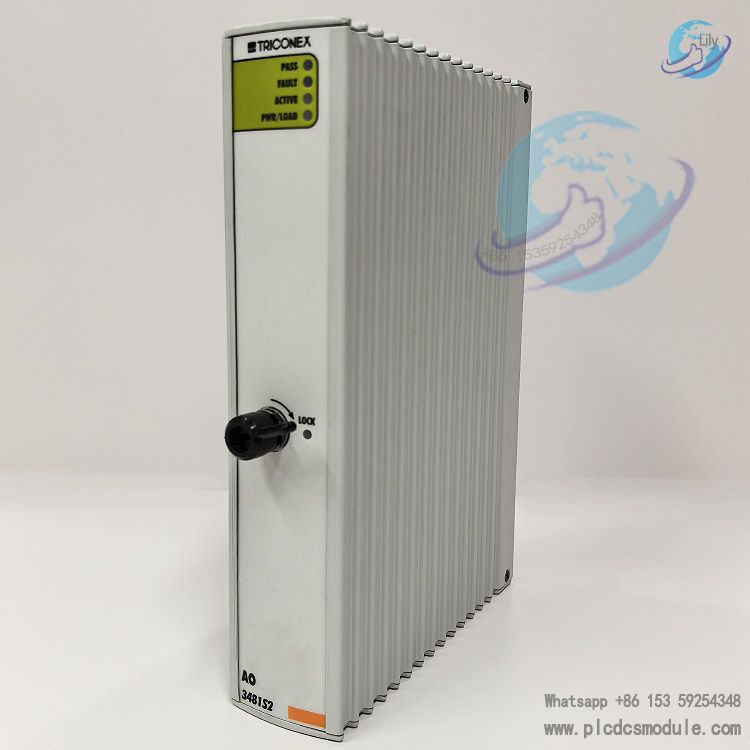
| 3481 | Analog Output AO | 4‑20mA | Analog regulating output, not for discrete on‑off drive |
Matching Accessories
- Tri‑GP v2 I/O Baseplate: 2401S2 digital output baseplate for mounting 3401S2 module.
- Tri‑GP v2 Processor Module: 3101S2 general‑purpose processor for system logic execution.
- Tri‑GP Chassis: 8112‑GP universal chassis providing backplane bus power and slots.
- System Redundant Power Module: 3000110‑360 supplies power for Tri‑GP chassis and I/O modules.
- Communication Integration Module: CIM3211S2 for SIS interconnection with DCS / SCADA host systems.
Recommended Related Models
- 3101S2, 3201S2, 3302S2, 3401S2, 3451, 3481S2, 3381S2, CIM3211S2, 2401S2, 2301S2, 3000110‑360, 8112‑GP, 3102S2, 3352S2, 3482S2
Notes
- 3401S2 shall only pair with Tri‑GP v2 series configured baseplates. Legacy Trident baseplates cannot be used; mechanical key lock‑out or communication failure will occur.
- OVD output diagnostics are enabled by default. Disable OVD inside configuration software if field hardware is sensitive to millisecond‑scale transient pulses; some latent‑fault diagnostic coverage will be lost.
- Single‑channel load current shall not exceed 1.5A. Calculate total module power consumption for multi‑channel simultaneous outputs to avoid overload.
- When hot‑swapping DO3401S hot‑spare modules confirm the slot is configured as hot‑spare; live removal in non‑hot‑spare slots triggers system alarms.
- Strictly separate functional ground and protective ground in field wiring to preserve isolation performance and reduce false diagnostics caused by interference.
- Maintain module operating voltage within 19‑30VDC; voltage below 19VDC causes abnormal output‑loop behaviour.
FAQ
Q: Can 3401S2 directly replace older 3401 module?
A: Hardware interfaces are not fully compatible. 3401S2 belongs to Tri‑GP v2 platform while legacy 3401 is for Trident platform. Baseplates, firmware and configuration software versions differ. Direct swap is unsupported; matching baseplates and system firmware must be upgraded together.
Q: What diagnostic capabilities are lost after DO3401S OVD function is disabled?
A: With OVD disabled, standard loop‑back voltage reading remains available for short‑circuit and open‑circuit detection. Per‑point momentary inversion tests are stopped; latent stuck‑on / stuck‑off drive‑circuit faults cannot be detected, reducing safety fault‑coverage.
Q: Is channel forcing required during hot‑spare online replacement of 3401S2?
A: No forcing is needed for slots configured as hot‑spare during live replacement. For non‑hot‑spare slots, force output points from logic before replacement to prevent disturbance to field devices.
Q: Off‑state leakage current <1mA for 3401S2, will it trigger unintended pull‑in of miniature relays?
A: Standard industrial 24V relays will not mis‑operate. For ultra‑low‑power miniature coil devices, verify minimum coil actuation current during project selection; add external bleed circuits if necessary.
Q: How many 3401S2 digital output modules can be installed inside one Tri‑GP v2 chassis?
A: Subject to chassis slot quantity and available power budget. All I/O slots of 8112‑GP chassis can accept DO3401S, but total power consumption must be calculated to avoid power‑supply overload.
Q: Full‑channel loop‑back scan time is less than 1ms, does this equal output response time of 1ms?
A: No. 1ms is the diagnostic scan period for all 16 channels. Actual output actuation latency includes processor logic cycle and bus transfer delay; overall system response depends on complete Tri‑GP system configuration.
Q: Can 3401S2 share the same baseplate with other I/O modules for spare‑part procurement?
A: Not allowed. 2401S2 baseplate is dedicated for 3401S2 digital‑output module. DI, AI and AO modules use separate dedicated baseplates; mechanical keying blocks mis‑insertion.