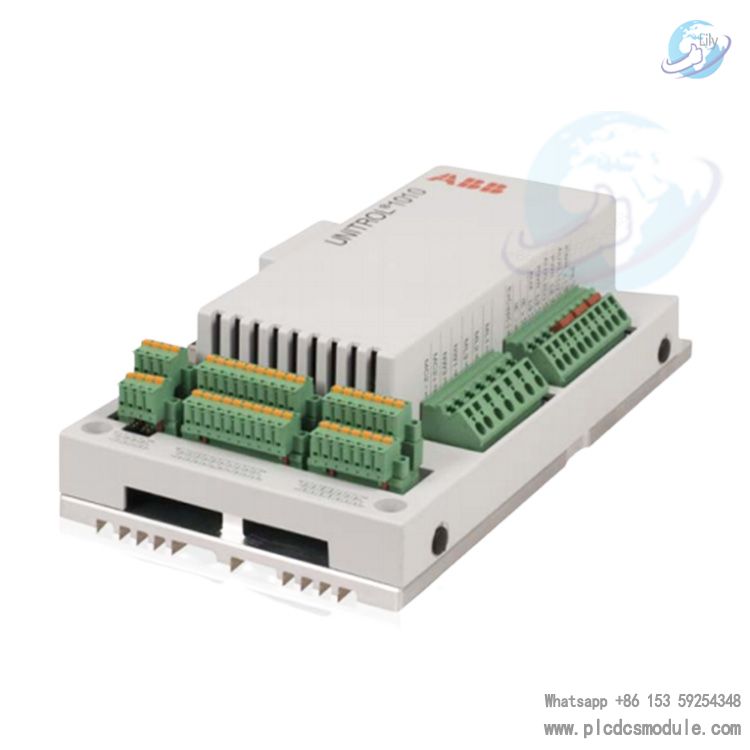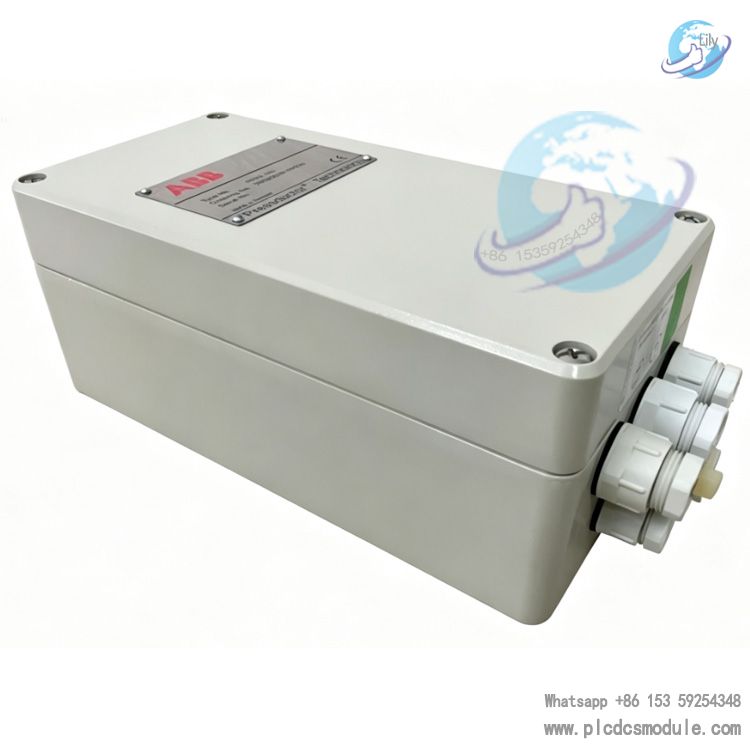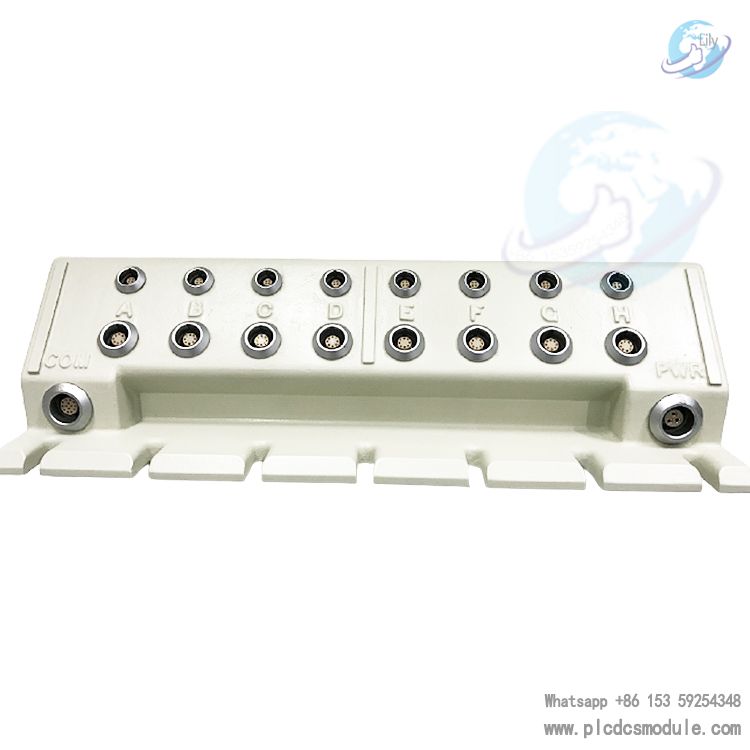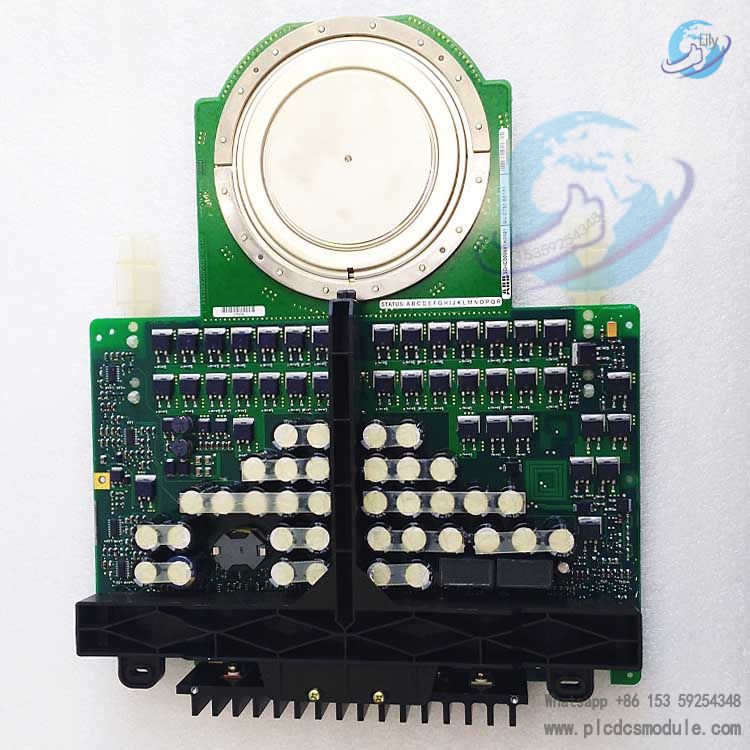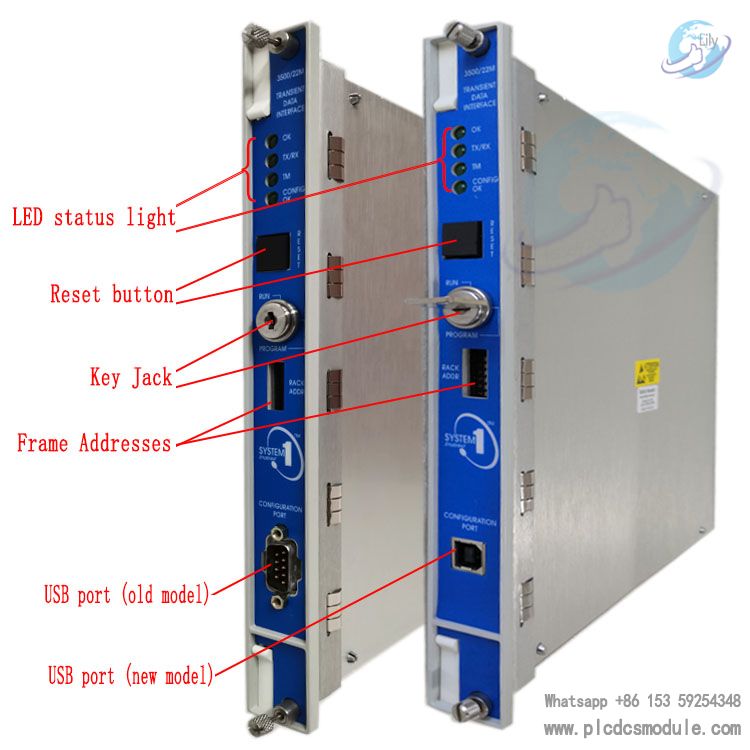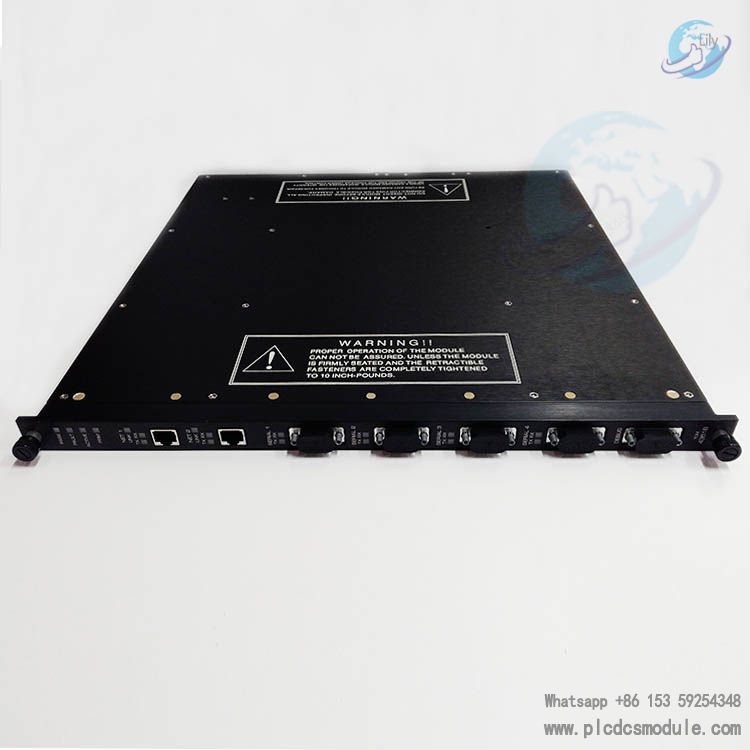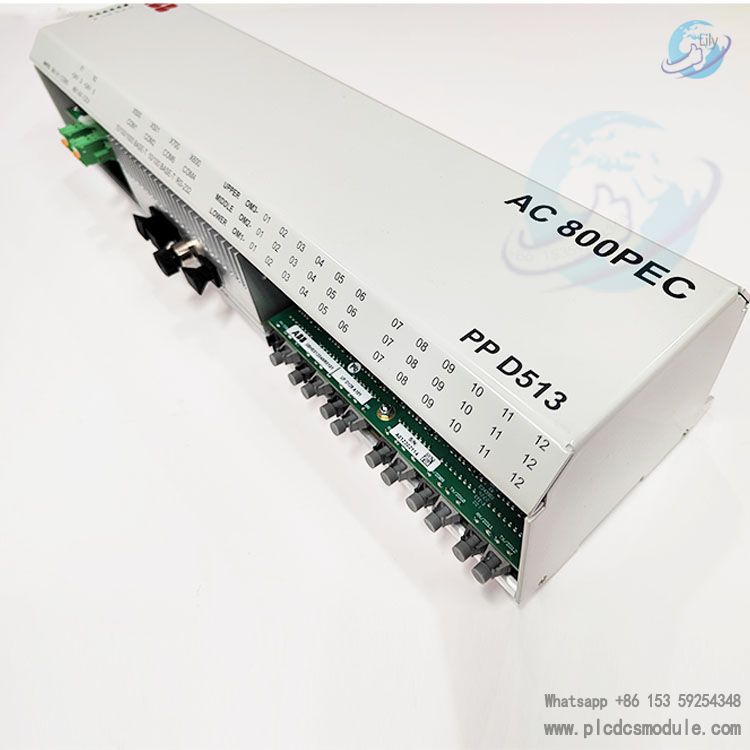


This unit can be seamlessly integrated into automation platforms such as the ABB UNITROL 6000 excitation system and AC 800M controller. It converts weak on-site signals or various sensor signals into standard signals recognizable by control systems, while realizing signal isolation, amplification and fault diagnosis. It provides core signal support for precise control, safety interlocking and efficient operation of industrial production processes, and is widely used in automation control systems across power, metallurgy, chemical, manufacturing and other industrial sectors.
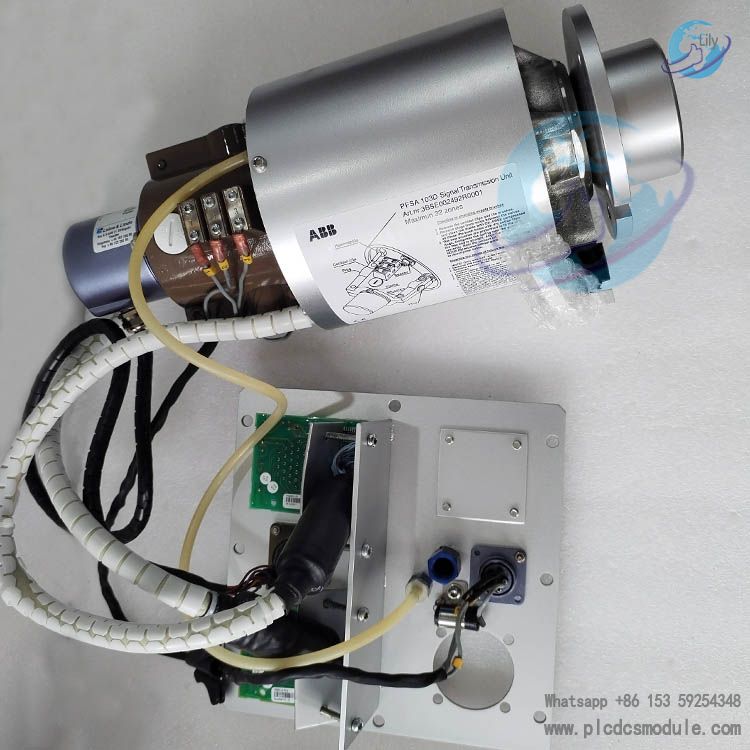
Technical Parameters
Based on product manuals and field application test data, the core technical parameters of the ABB PFSA103D 3BSE002492R0001 signal transfer unit are listed below to ensure performance meets the requirements of various industrial scenarios:
- Power Supply: Operating voltage 24V DC ±15%, accommodating a certain range of voltage fluctuations to maintain normal operation under minor voltage instability; maximum power consumption only 5W, an energy-efficient design that reduces power consumption.
- Operating Environment: Operating temperature range -20℃ to +60℃, enabling stable operation in industrial environments across different regions and seasons; storage temperature range -40℃ to +85℃, facilitating transportation and long-term storage; protection class IP20 (when installed in a suitable enclosure), preventing ingress of fingers or solid foreign objects larger than 12mm in diameter, suitable for cabinet mounting.
- Signal Specifications: Multi-channel signal processing, supporting 4 normally open (NO) safety inputs for connection to various safety sensors; outputs include 2 normally closed (NC) safety outputs and 1 normally open (NO) auxiliary output. Safety outputs control the start/stop of hazardous equipment, while auxiliary outputs are used for signal transmission or status monitoring; signal response time ≤10ms, enabling rapid reaction to on-site signal changes and avoiding risks caused by signal delay.
- Communication Interfaces: Supports multiple industrial communication protocols including CANopen, Modbus, EtherCAT, Ethernet/IP and Profibus, enabling seamless connection with host computers, PLCs, HMIs and other industrial devices for data sharing and remote monitoring, simplifying integration into existing automation systems.
- Physical Specifications: Dimensions 120mm × 80mm × 60mm (L×W×H), compact for installation in space-limited control cabinets; weight approx. 200g (basic version), approx. 10kg for excitation system-adapted models. The lightweight design reduces installation difficulty and load requirements; supports DIN rail or panel mounting for flexible cabinet layout.
- Safety & Certifications: Complies with IEC 61508 SIL 2 and IEC 61511 SIL 2 standards; hardware fault tolerance ≥1, mean time to dangerous failure (MTTFd) ≥1×10⁷ hours, meeting safety control compliance requirements for high-risk industries; certified to relevant international industrial standards for dependable safety performance.
Core Features
1. Precise Signal Transmission and Conversion
2. High Safety Level and Fault Tolerance
3. Flexible Integration and Compatibility
4. Harsh Operating Condition Adaptability
5. Excitation Control Auxiliary Functions
As an integral part of the ABB UNITROL 6000 excitation system, this unit assists in synchronous motor excitation control, including voltage regulation, reactive power control and excitation current limiting. It stabilizes terminal output voltage for synchronous generators or motors, regulates generator reactive power output to support grid stability, and protects synchronous motor excitation windings against overcurrent.
Typical Applications
- Power Industry: Used in secondary circuits of substations and power plants as a core component for signal transmission and excitation control. It cooperates with protection devices to trigger and implement overcurrent, overvoltage and undervoltage protection, controlling synchronous generator excitation to maintain grid stability.
- Chemical & Metallurgical Industry: Acts as a robust signal transmission node in high-temperature, dusty and corrosive production environments, enabling temperature and pressure control for reaction vessels, start/stop control for material transfer pumps, and signal acquisition and transmission during metal processing, ensuring production safety and product quality.
- Manufacturing Industry: Integrated into automated production lines, robot controls, packaging machinery, textile machinery, cable manufacturing and other equipment, supporting signal transmission for tension, speed and position control to guarantee stable production and consistent product quality.
- High-Risk Industries: Applied in Safety Instrumented Systems (SIS) for petrochemical, oil and gas extraction, pharmaceutical and other high-risk sectors. It performs acquisition, transmission and interlock control of safety-related signals, such as overpressure interlocks for refinery reactors and emergency shutdown for fire and gas detection on offshore platforms, meeting SIL 2 safety requirements.
- Other Fields: Includes building automation (control loops for central air conditioning, water supply and drainage systems), transportation (signal transmission for rail transit and port machinery) and logistics warehousing (signal interaction for automated logistics equipment), providing reliable signal transmission support for diverse automation systems.
Installation and Maintenance Instructions
Installation Requirements
Routine Maintenance