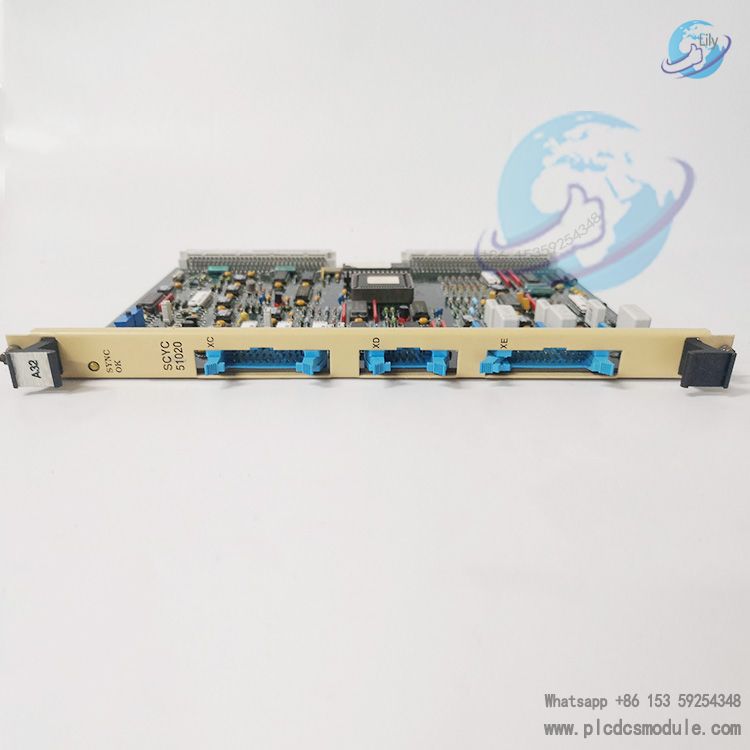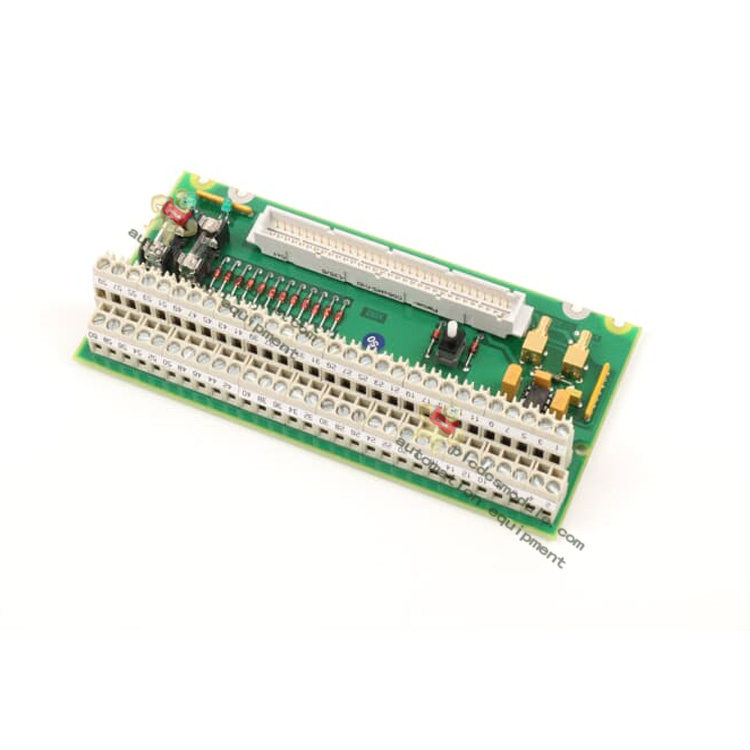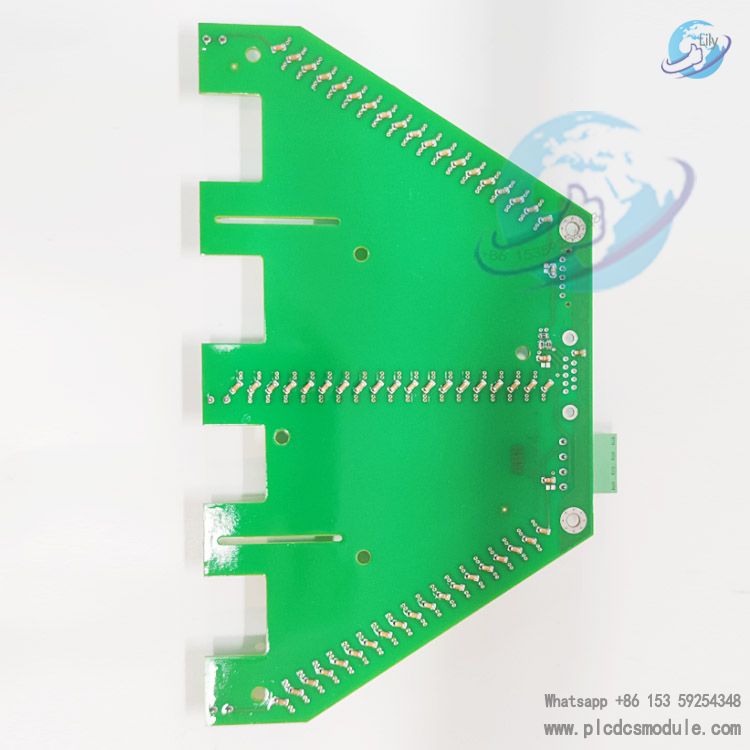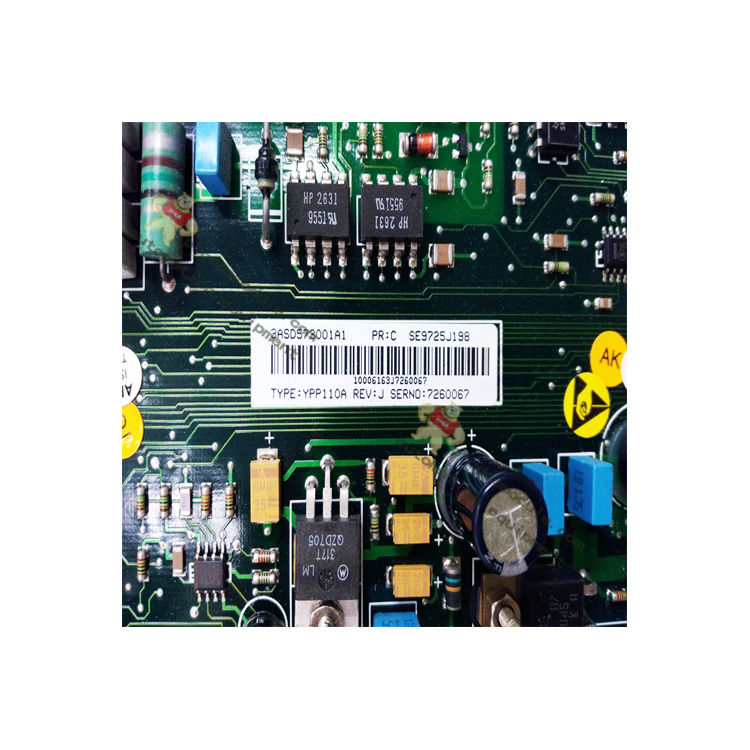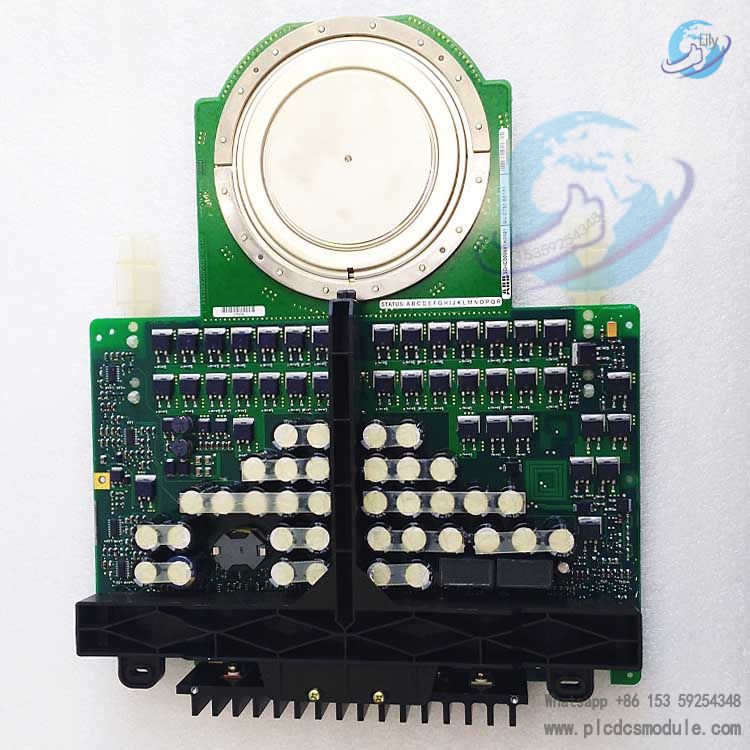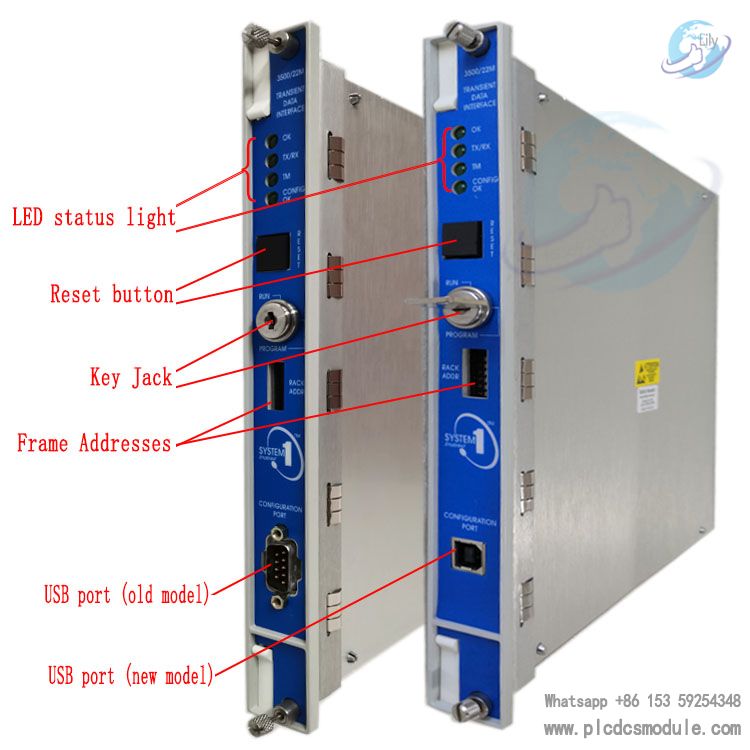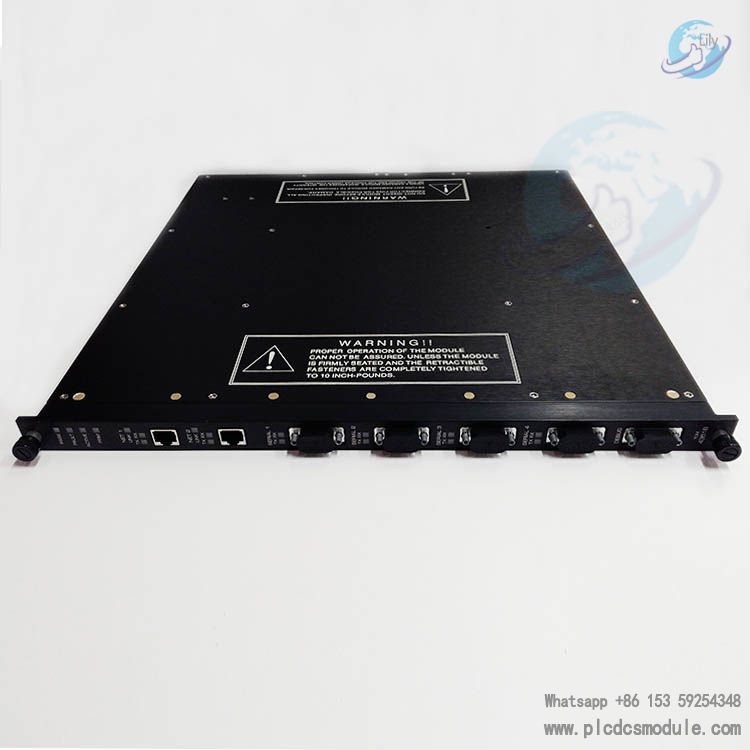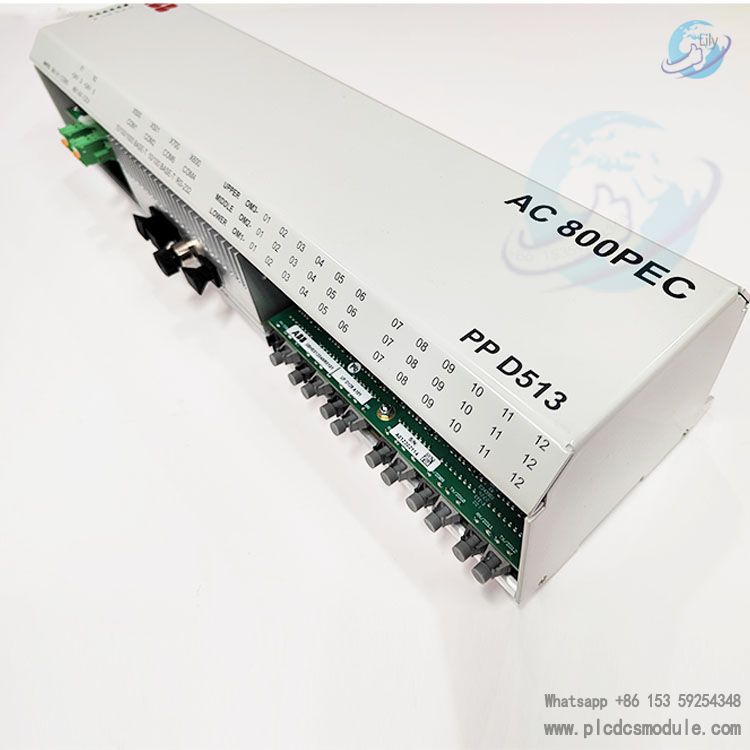


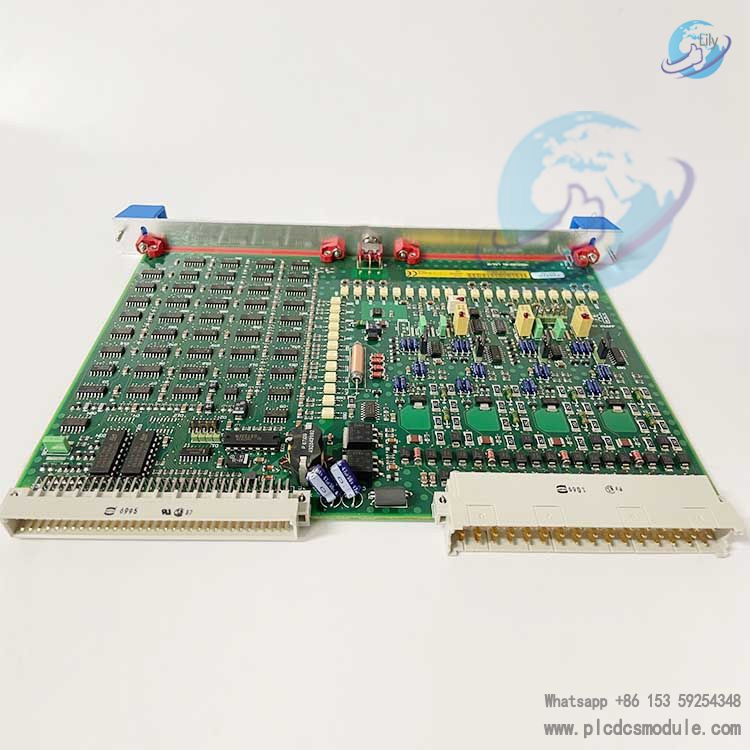
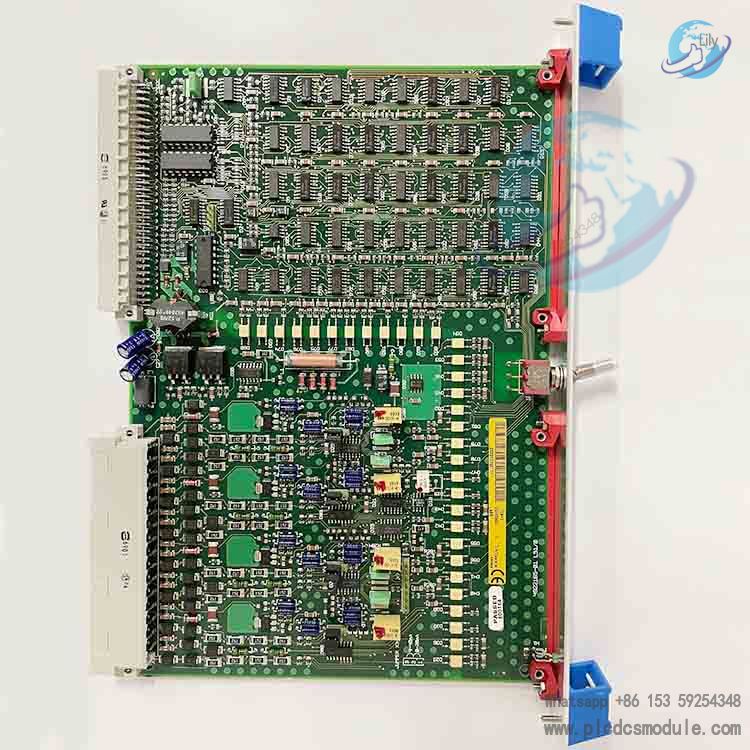
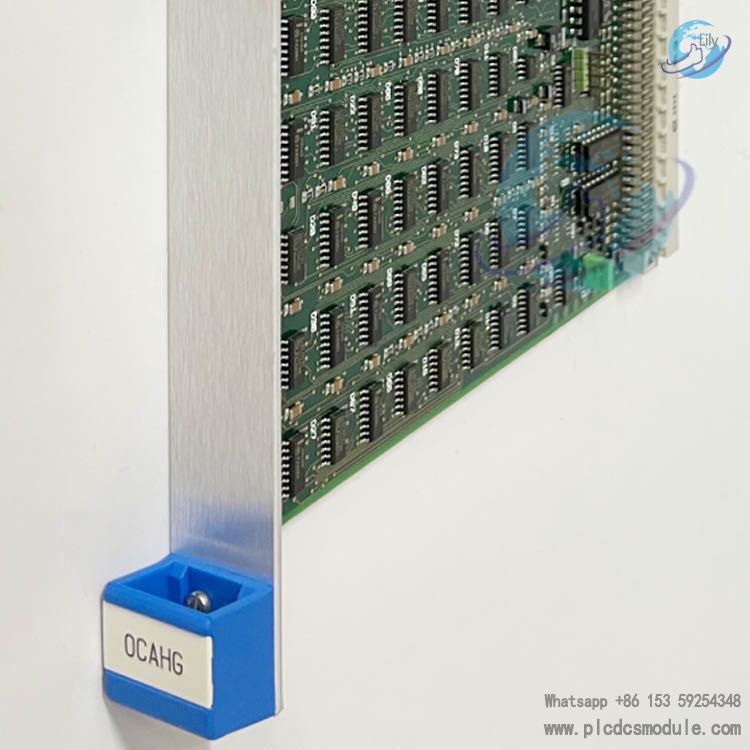
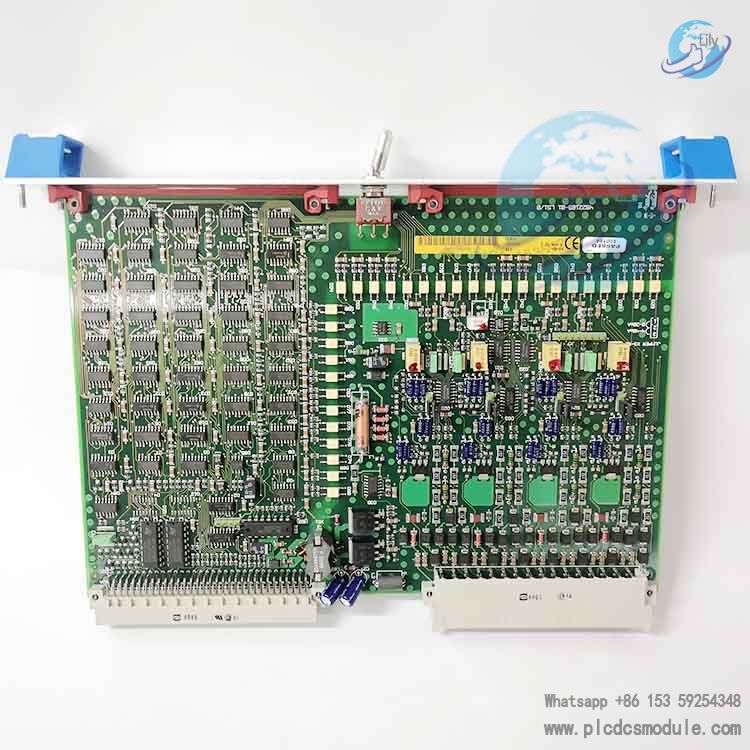
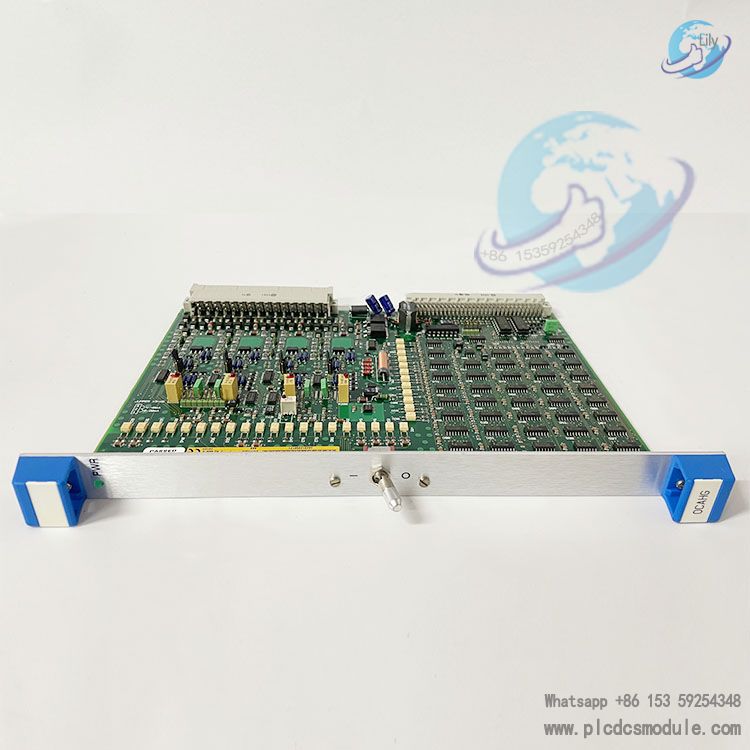
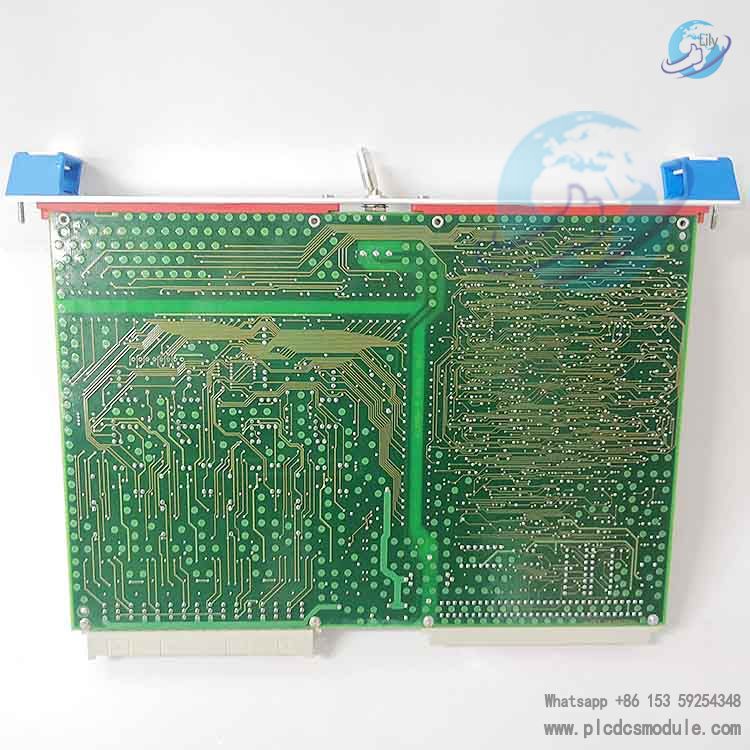
ABB OCAHG (Order No. 492838402) 4-channel analog output card. Its core function is to accurately convert digital control signals from the control system into continuously adjustable analog voltage or current signals, enabling precise control of field actuators such as control valves, frequency converters, recorders, etc.
This module belongs to ABB's classic control system hardware series, mainly intended for system equipment launched before July 22, 2017. It is primarily used for system maintenance, function reuse, performance upgrades and capacity expansion.
It features high accuracy, strong anti-interference capability, low power consumption and high stability, suitable for harsh industrial environments including chemical, power, metallurgy and manufacturing industries, providing reliable analog signal output support for automated process control.
Net weight: 0.3 kg.
Technical Specifications
1. Basic Specifications
- Model: OCAHG
- Order No.: 492838402
- Number of Channels: 4 independent analog output channels
- Weight: Net weight 0.3 kg
- Compliance Certifications: CE certification, RoHS 2 2011/65/EU certification, WEEE B2C/B2B compliance
- Applicable Systems: ABB early control systems (equipment launched before July 22, 2017)
2. Output Signal Characteristics
- Output Type: Voltage/current signals configurable independently (single-channel switchable)
- Voltage Output Range: ±10V DC, 0–10V DC, 2–10V DC
- Current Output Range: 4–20mA, 0–20mA, ±20mA
- Resolution:
- Unipolar (0–10V voltage, 0–20mA/4–20mA current): 12 bits
- Bipolar (±10V voltage): 13 bits (including sign bit)
- Output Accuracy: Typical error ±0.3% FSR at 25℃; maximum error ±0.5% FSR over full temperature range -20℃~+60℃
- Channel Isolation: 500V DC optical isolation between channels and between channels and the system
- Load Capacity:
- Current output: 0–500Ω
- Voltage output: Min. load ≥5kΩ, max. output current ±2mA
3. Electrical & Environmental Parameters
- Operating Power Supply: 24V DC ±20% (backplane-powered)
- Power Consumption: Low-power design, typical power consumption <2W
- Operating Temperature: -20℃ ~ +60℃
- Storage Temperature: -40℃ ~ +85℃
- Anti-interference Capability: Complies with industrial EMC standards, suitable for strong electromagnetic interference environments
Functional Advantages
- High-precision Signal OutputEquipped with high-resolution DAC and precision signal conditioning circuits, delivering high linearity and low drift for output signals. Ensures accurate process control to meet strict requirements in chemical, power and other industries.
- Independent Configuration for All ChannelsEach of the 4 channels can be individually set for output type (voltage/current) and signal range, without unified card-wide configuration. Adapts to mixed access of multiple actuator types and improves system flexibility.
- High Electrical Isolation Protection500V DC optical isolation between channels and between channels and the system side, effectively blocking on-site interference crosstalk and preventing voltage surges from damaging the main control unit, enhancing overall system reliability and safety.
- Industrial-grade Stability & DurabilityWide operating temperature range, low-power design, fanless heat dissipation, and high-reliability components enable long-term stable operation in harsh industrial environments such as dust, humidity, and extreme temperatures, reducing maintenance frequency.
- Comprehensive Fault ProtectionBuilt-in overcurrent, overvoltage and undervoltage protection mechanisms that activate automatically under abnormal conditions to avoid damage to the module and external loads. Supports fault status feedback for fast system diagnostics.
- Easy Installation & IntegrationStandard modular plug-in card design compatible with corresponding ABB control system backplanes. Supports hot-swapping (where permitted by the system), enabling simple installation, replacement and maintenance to minimize system downtime.
Application Scenarios
- Process Control IndustryChemical, petroleum and natural gas sectors: controlling control valves, metering pumps, pressure transmitters, etc., to realize closed-loop control of flow, pressure, liquid level, temperature and other parameters.
- Power & Energy SystemsThermal power plants, hydropower stations and substations: controlling excitation systems, speed regulating devices and recorders, assisting in unit operation parameter adjustment and condition monitoring.
- Manufacturing AutomationMetallurgical, paper and textile production lines: controlling frequency converters, servo drives and tension controllers to ensure continuous and stable operation of production lines.
- Test & Monitoring EquipmentIndustrial testing instruments and simulation test benches: outputting standard analog signals to provide accurate excitation signals for equipment calibration and performance testing.
Frequently Asked Questions (FAQ)
- Check backplane power supply: Ensure 24V DC power is properly connected, voltage fluctuation is within ±20%, and power pins of the backplane slot have good contact.
- Verify hardware compatibility: Confirm the module matches the current control system model (only supports ABB systems launched before July 22, 2017) to avoid cross-generation misuse.
- Check card insertion: Ensure the module is fully inserted into the backplane slot, with locking clips secured, no looseness or poor connection.
- Troubleshoot system configuration: Activate the module via corresponding configuration software and complete initialization of address and channel parameters. The module remains dormant if not configured.
- Check load matching: Current output load must be ≤500Ω, voltage output load ≥5kΩ. Mismatched load causes signal distortion.
- Identify interference sources: Check for high-power inverters, contactors or other interference devices nearby. Use shielded twisted-pair cables with single-end grounding and route cables away from power cables.
- Calibrate channel parameters: Perform zero and full-scale calibration through system software to eliminate drift errors from long-term use.
- Check isolation and grounding: Ensure reliable system grounding, normal channel isolation, and no short circuit or leakage.
- Incorrect range configuration: Verify channel output range (e.g., 4-20mA mistakenly set to 0-20mA) to match load device requirements.
- Temperature drift: Deviation is normal if operating temperature deviates from 25℃. Optimize with system temperature compensation parameters.
- Hardware failure: Check for component aging or channel damage. Verify by replacement; faulty modules need factory repair.
- Power fluctuation: Unstable supply voltage affects output accuracy. Install a voltage stabilizer or use purified power supply.