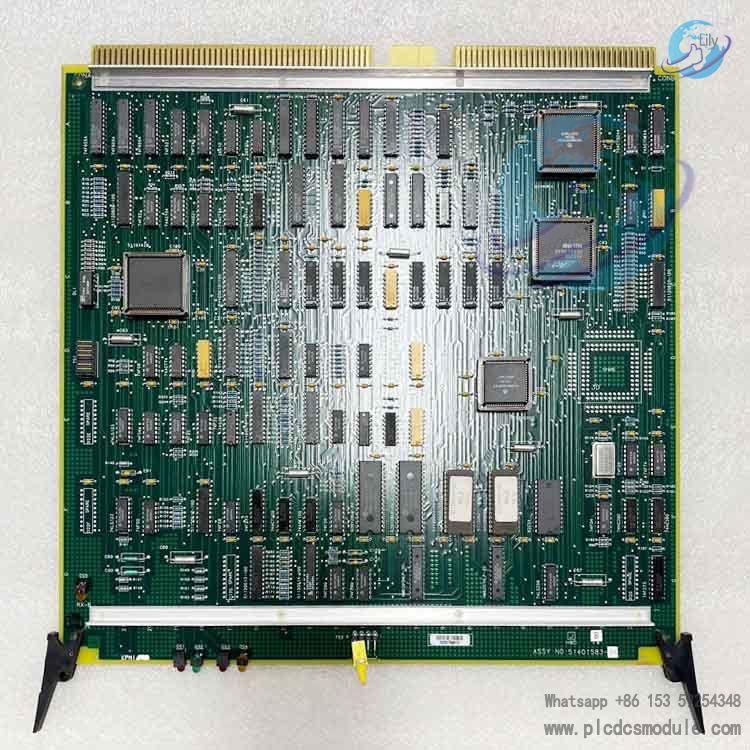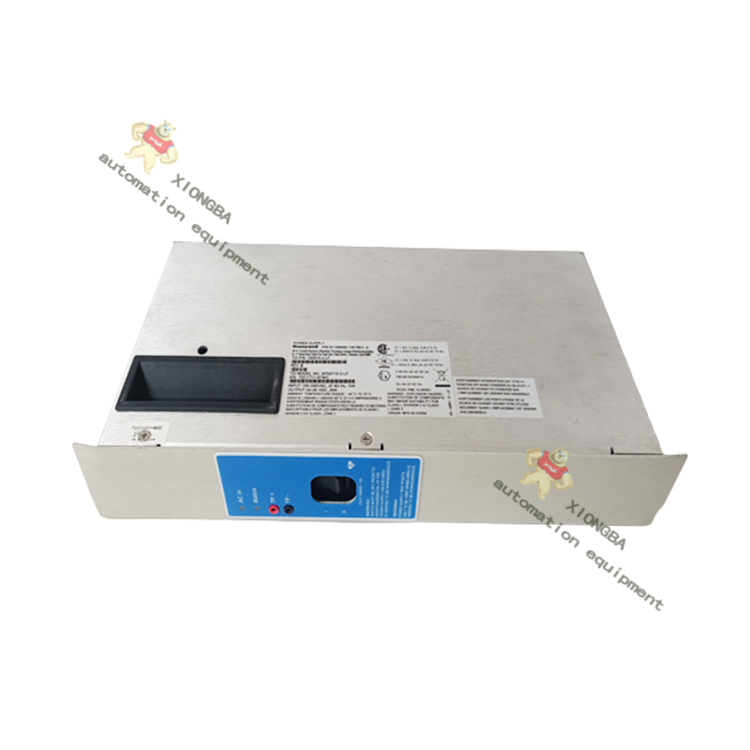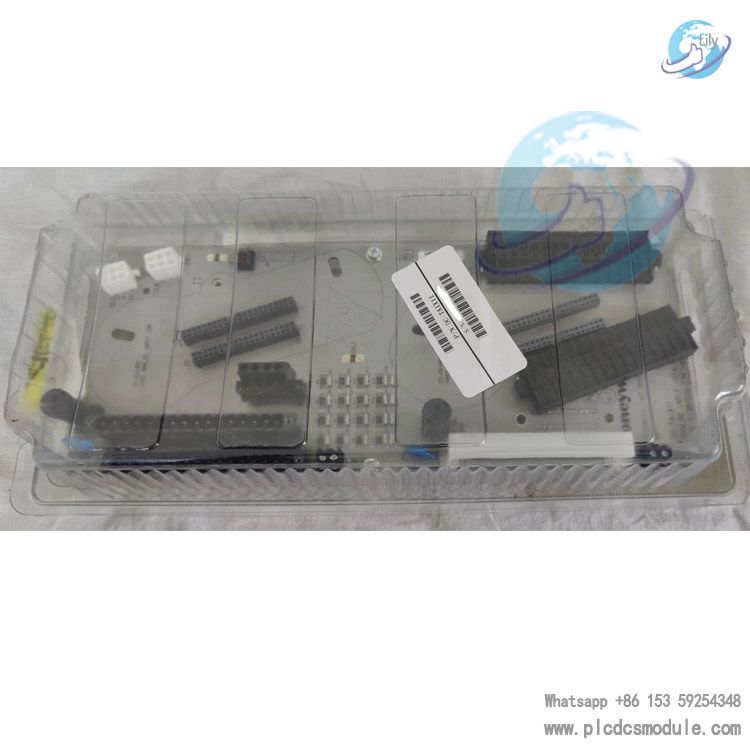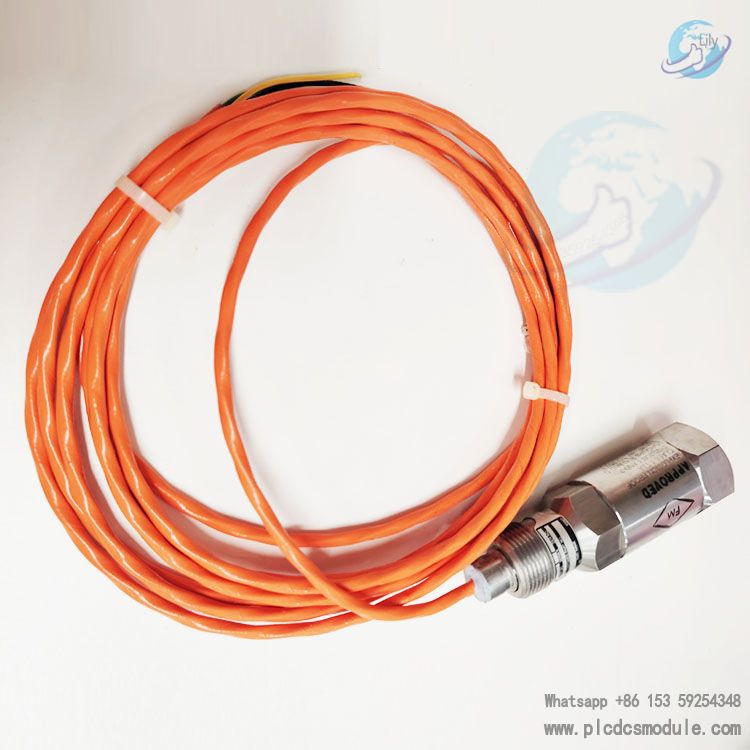


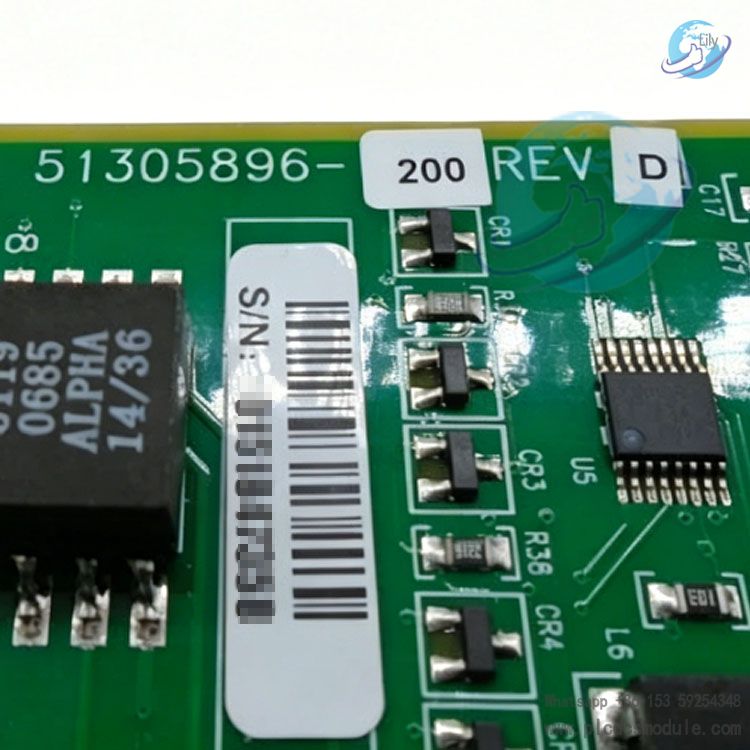
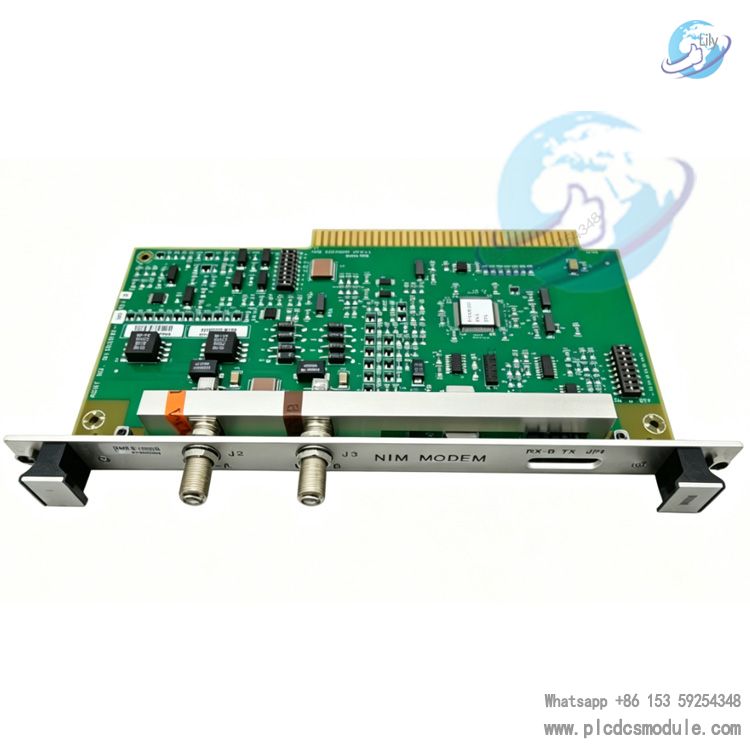
The Honeywell 51305896-200 REV D is a NIM (Network Interface Module) modem board specially designed for the Honeywell TDC3000/TPS distributed control system. It serves as one of the core components for communication between LCN (Local Control Network) and UCN (Universal Control Network). Meanwhile, it supports Plant Information Network (PIN) carrier communication, remote diagnosis and data interaction functions.
Adopting an industrial-grade design, this board operates stably in harsh industrial environments. It is a key component for network communication, remote maintenance and data acquisition of legacy DCS systems. The REV D version is a mature and stable iteration of this model, widely deployed in process industries including petroleum, chemical and power sectors.
Functions and Technical Specifications
1. Core Functions
Network Communication ConversionAs the core modem board of the NIM module, it is responsible for the transceiving and processing of dual-path A/B coaxial cable signals on the UCN network. It realizes data forwarding and protocol conversion between the LCN operation network and the UCN control network. It replaces the functions of multiple boards such as PNM, PNM I/O and PNI I/O in early NIM configurations, and simplifies the system architecture.
Remote Maintenance and DiagnosisBuilt with an industrial-grade modem, it supports remote system diagnosis, parameter configuration, program upload/download and troubleshooting via dial-up or dedicated communication links. It greatly reduces on-site maintenance costs and serves as a key interface for remote operation and maintenance of early DCS systems.
PIN Network CompatibilityCompliant with the Plant Information Network carrier communication standard, it can act as a carrier communication unit in network gateways to realize cross-network transmission and sharing of process data.
Redundancy and Reliability AssuranceAdaptable to the dual redundant configuration of NIM modules and supports system hot standby switching. It ensures the continuous and stable operation of industrial control networks and prevents system communication interruption caused by single-point failures.
Technical Specifications
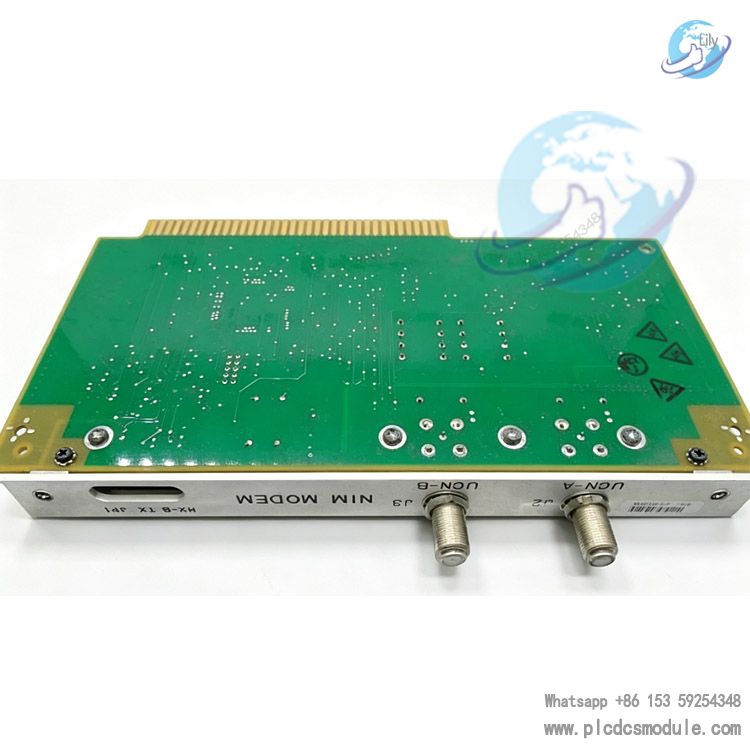
Manufacturer: HoneywellModel: 51305896-200, REV DProduct Type: NIM Modem Board (UCN Network Modem)Compatible System: Honeywell TDC3000 / TPS Distributed Control SystemPower Specification: 24VDC (industrial standard power supply)Physical Dimension: Approx. 9-3/8 inch × 4-1/2 inch (industry standard board size)Interface Type: Dual A/B coaxial cable interfaces for UCN network, debugging/communication interfaceCommunication Rate: Maximum downstream rate of 56 kbps and upstream rate of 33.6 kbps for the modemOperating Environment: Industrial wide-temperature design, suitable for process industry control room environment (typical operating temperature: 0~60℃)Compliance Certification: Compliant with CE industrial electromagnetic compatibility standards
Application Scenarios and System Positioning
This board is mainly applied to the following scenarios:
Core Communication of DCS SystemAs the core component of the NIM module in TPS/TDC3000 systems, it enables real-time data interaction between LCN operator stations and UCN control stations (such as PM/APM controllers). It acts as a critical communication bridge for operators to view control data and issue control commands.
Industrial Network Upgrade and RenovationIt replaces multiple communication boards used in early NIM systems to simplify the hardware architecture. Meanwhile, it is compatible with existing UCN network devices, effectively reducing system upgrade costs.
Remote Operation, Maintenance and TroubleshootingIt provides a remote diagnosis interface for on-site maintenance personnel. Accessible via dedicated communication links, it supports network fault inspection and controller operating status analysis, ideal for remote maintenance in remote or high-risk industrial sites.
Data Acquisition and System IntegrationSupporting PIN network data transmission, it can upload DCS process data to upper-level management systems, realizing centralized monitoring and analysis of plant-wide production data.
Frequently Asked Questions (FAQ)
Q1: What problems will be caused by the failure of the 51305896-200 board?A: As the core communication unit of the NIM module, damage to this board will directly interrupt communication between the UCN network and LCN network. Operator stations will be unable to view control data or issue control commands, and data from UCN-side controllers cannot be uploaded to the operation network. In severe cases, partial control loops of the system will lose monitoring.
Q2: What are the differences between REV D version and other versions?A: The REV D is a mature and stable version of this model. Compared with earlier revisions, it optimizes the anti-interference capability and temperature adaptability of the modem circuit, and fixes communication stability defects of early versions. It is the most widely adopted version in industrial sites and maintains compatibility with most hardware configurations of NIM modules.
Q3: Can this board directly replace other models of NIM Modem boards?A: It must match the NIM module model and system version. It can only replace boards of the same 51305896 series, and system firmware compatibility confirmation is required. Modem boards of different series (such as the 51304511 series) feature incompatible hardware interfaces and communication protocols, and cannot be directly replaced.
Q4: How to judge whether the board is faulty?A: Troubleshooting methods are as follows:① Check the status indicators of the NIM module. Abnormal flashing or extinguishing of communication indicators indicates a need for board inspection;② Check the UCN network status on LCN operator stations. Offline status of all UCN nodes usually points to a communication failure of this board;③ If network communication recovers after installing a spare board, the original board is confirmed defective.
Q5: What precautions should be taken for board maintenance and operation?A:① Power off the device before replacement to prevent circuit damage caused by hot swapping;② Ensure firm connection of coaxial cable interfaces during installation to avoid packet loss due to poor contact;③ Take anti-static measures in industrial environments and wear an anti-static wristband during operation;④ Regularly clean dust on the board surface to prevent short circuits or poor heat dissipation caused by dust accumulation.