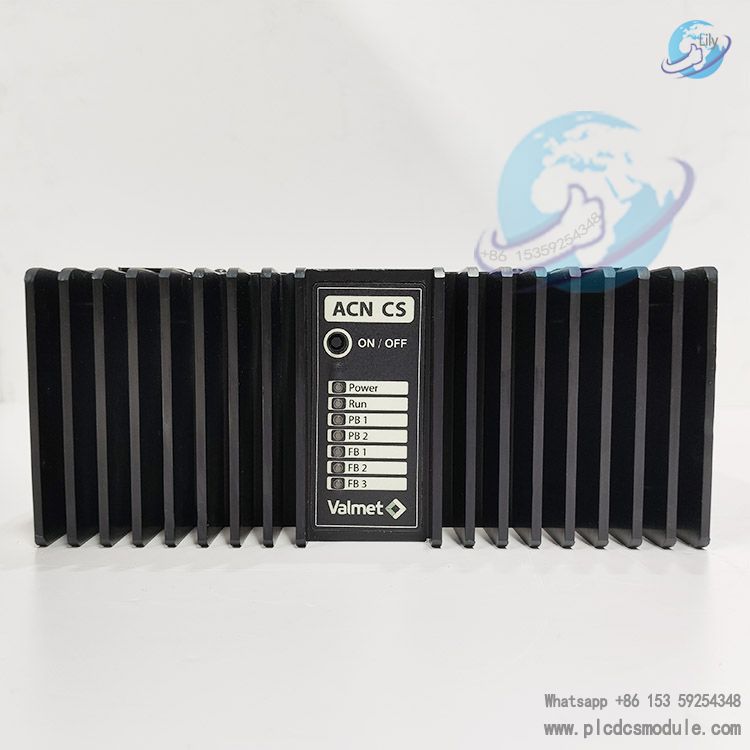
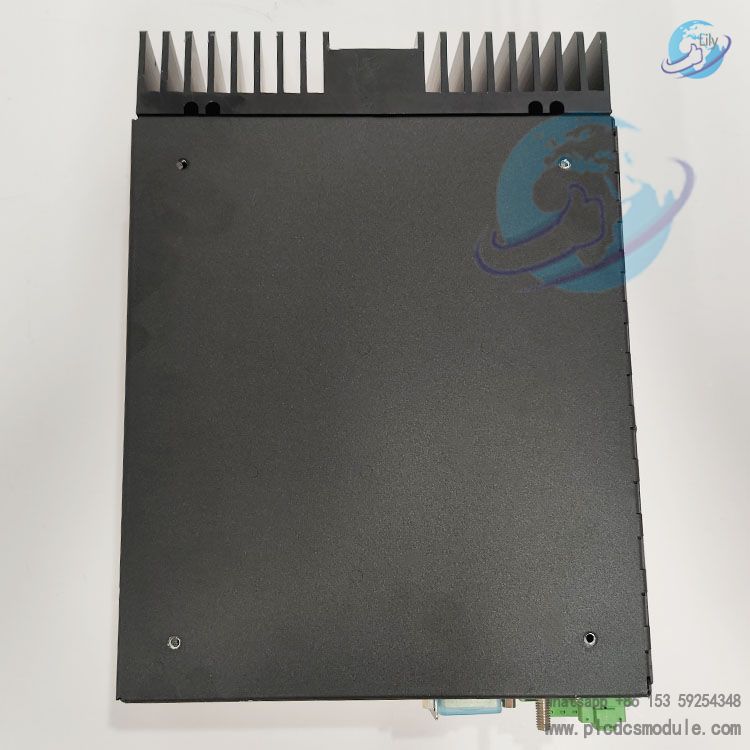
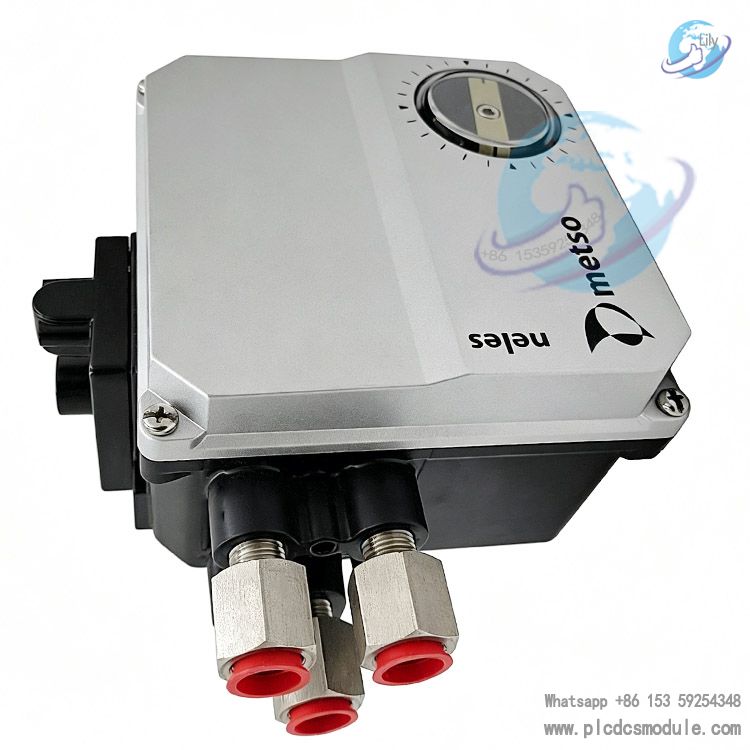
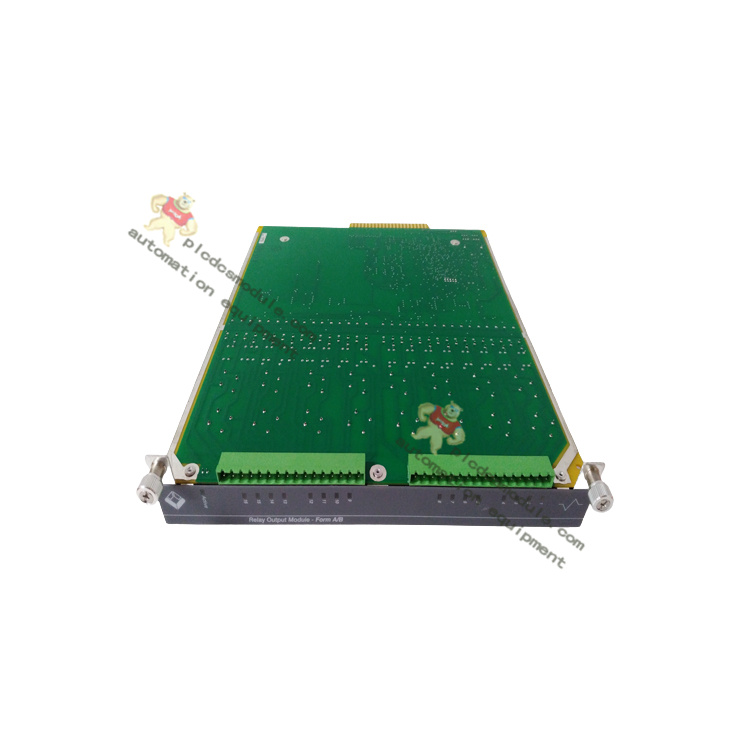
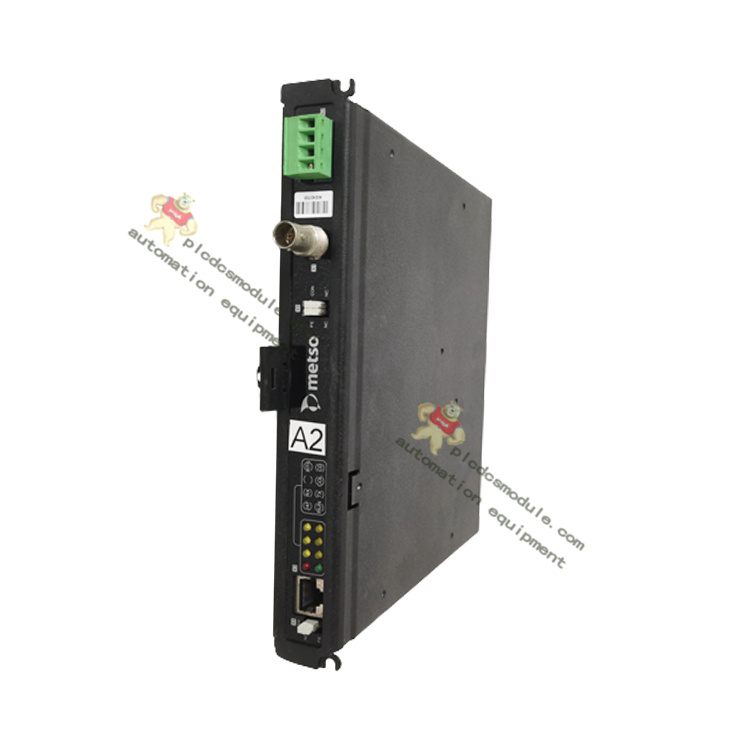
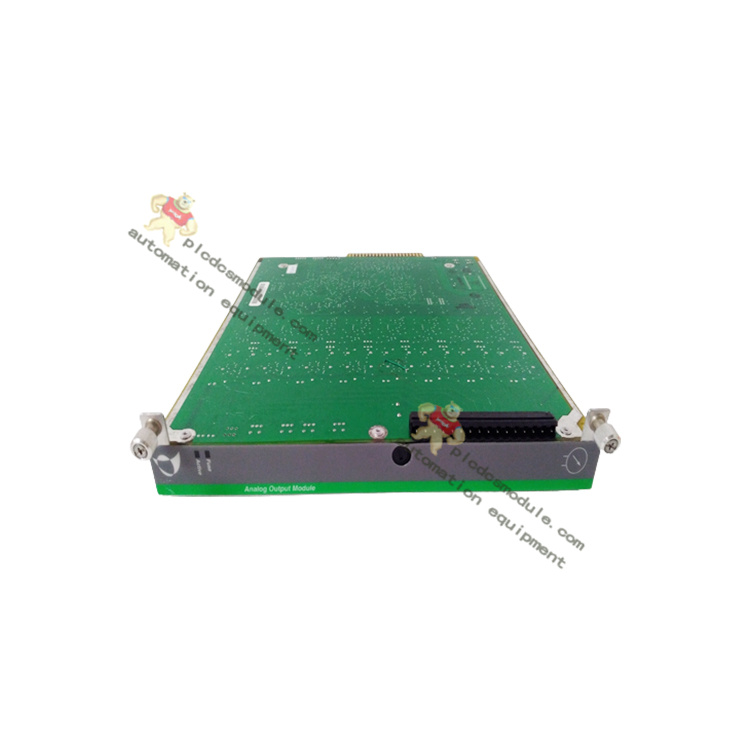
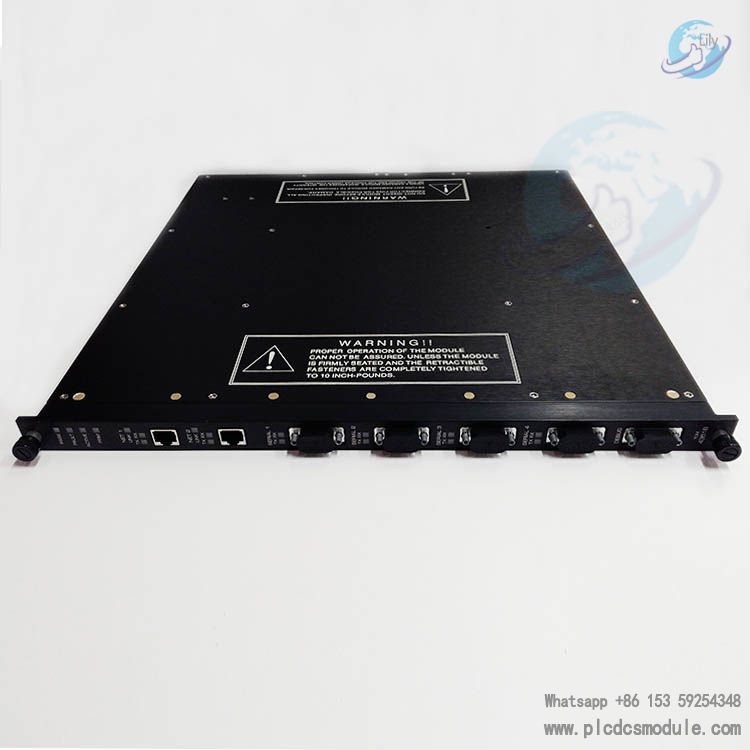
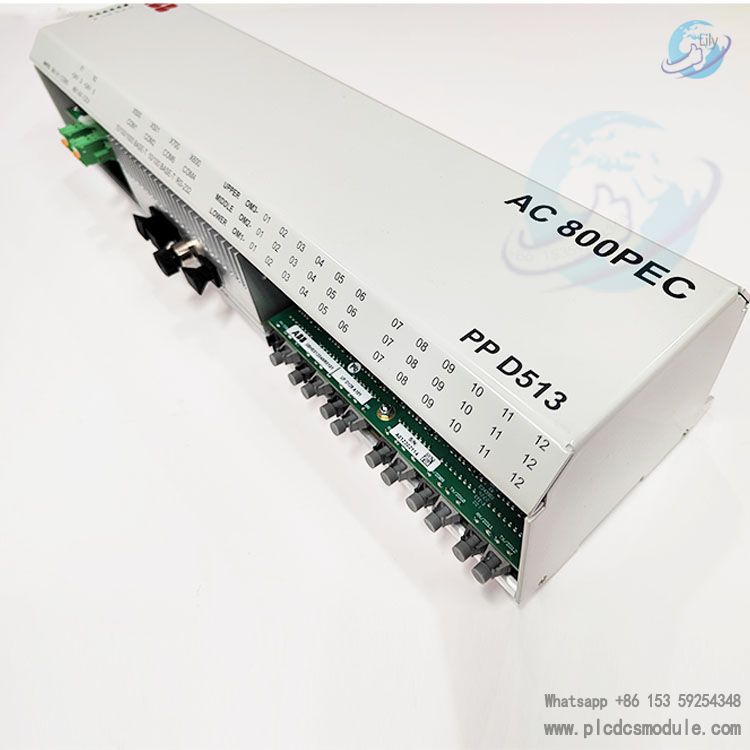
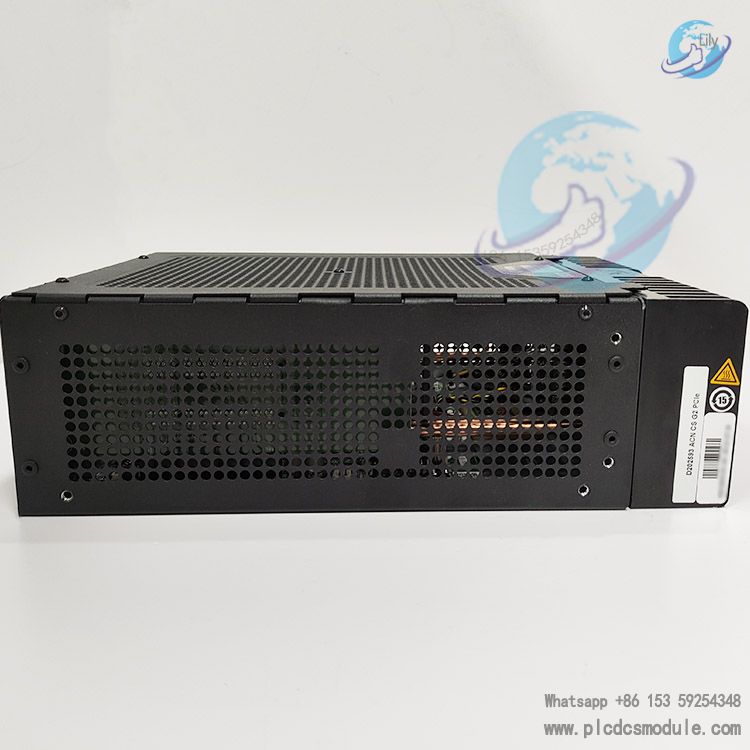
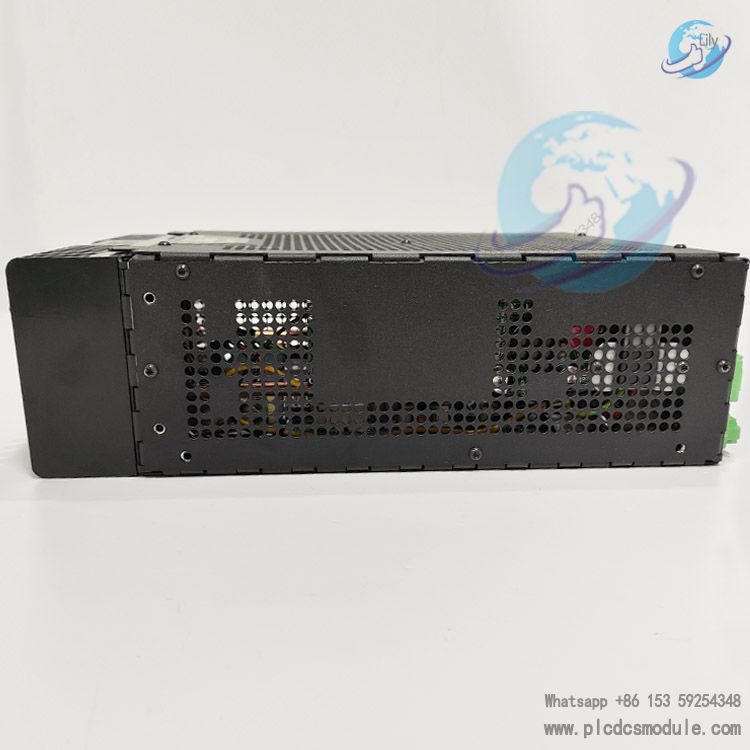
Note; All products on this site are special products, the market price has been fluctuating, the specific customer service offer shall prevail, because the product is a new product, the picture is not a real shot, please confirm with customer service before placing an order model and product, price and other details, the site used, new are for sale, please contact customer service communication. Valmet D202593 is a high-performance distributed controller module of the ACN series from Valmet. Designed for DCS and PLC applications in the process industry, it integrates logic control, real-time data processing and multi-protocol communication, delivering highly reliable control for harsh operating conditions.
Product Advantages
Industrial-Grade High Reliability: IP67 protection rating, wide operating temperature range from -20°C to +60°C, with vibration and strong electromagnetic interference resistance. It works reliably in harsh environments with dust, humidity and high temperature.
High-Speed Real-Time Performance: Maximum bus rate up to 12 Mbaud. Equipped with a high-performance processor, it runs complex control algorithms and delivers millisecond-level response.
Flexible Scalable Architecture: A single module can connect up to 24 I/O modules. The modular design enables seamless expansion and on-site maintenance.
Seamless Multi-Protocol Integration: Natively compatible with PROFIBUS DP, PROFINET, Modbus and EtherCAT, fitting mainstream industrial networks.
Compact & Easy Deployment: Measuring 85×30×25 mm and weighing 150 g, it adopts DIN rail mounting to save cabinet space.
Product Specifications
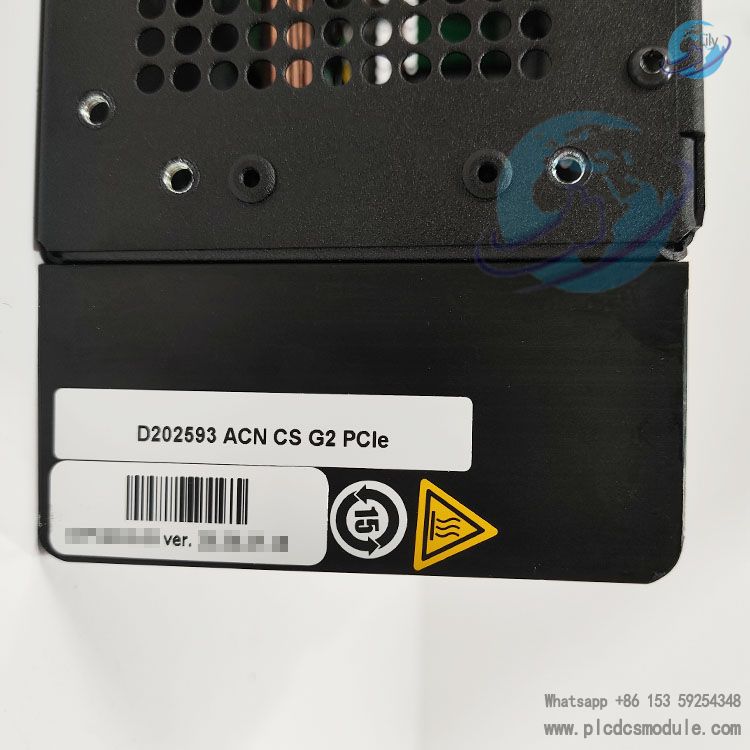
Core Parameters
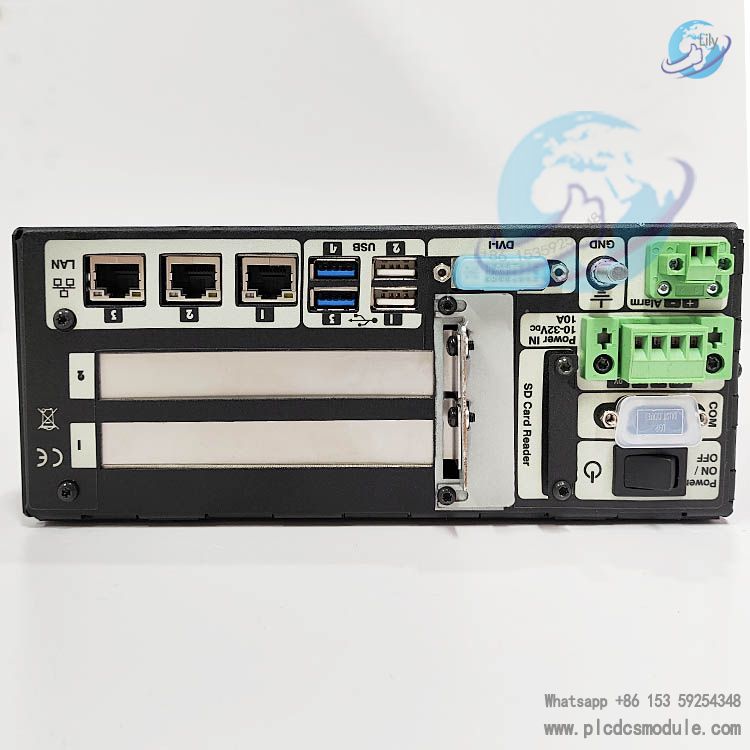
Model: D202593 (ACN Series)Power Supply: 10~32 VDC, redundant power supply supportedCommunication Interfaces: Ethernet, Serial, PROFIBUS DP and customized interfacesOperating Temperature: -20°C ~ +60°CProtection Class: IP67 (dust-tight and water immersion resistant)Dimensions / Weight: 85×30×25 mm / 150 g
Functional Features
Real-Time Control: Supports complex logics including PID control, sequence control and interlock.Data Processing: High-speed data acquisition, filtering, calculation and historical archiving.Remote Operation & Maintenance: Enables remote diagnosis, program download and status monitoring.Safety Mechanism: Hardware-based error detection, safety interlock and power-off protection.
Application Scenarios
Pulp & Paper: Process control for headboxes, dryers, calenders and other equipment.
Power & Energy: Control of boilers, turbines and auxiliary equipment in thermal, hydro and wind power plants.
Chemical & Metallurgy: Automation for reactors, distillation columns, rolling lines and blast furnaces.
Mining & Building Materials: Distributed control of mills, conveyor lines and kilns.
Water Treatment & Environmental Protection: Systems for wastewater treatment, reverse osmosis and waste gas treatment.
FAQ
Q: Communication lost and indicator light not flashing?A: ① Check if the power supply is stable (10~32 VDC);
② Verify bus wiring and shield grounding; ③ Ensure baud rate and address match the master station;
④ Replace the bus cable or interface module.
Q: No response after power-on and indicator light stays off?A: ① Confirm power voltage and polarity;
② Inspect the power fuse;
③ Check if the module is triggered by over-temperature or over-current protection, power off and cool down before restarting; ④ Return to the factory for inspection in case of hardware failure.
Q: How to realize remote program download and monitoring?A: ① Connect the module Ethernet port to the plant VPN;
② Set a static IP and open ports for programming software;
③ Use the remote connection function of Valmet DNA to complete program download, online monitoring and fault diagnosis.
Q: Can it be installed outdoors directly thanks to IP67 protection?A: IP67 only provides protection against temporary water immersion. It shall not be exposed to direct sunlight or rain outdoors for a long time. Please equip it with a rainproof and dustproof cabinet to prevent UV aging and damage from extreme temperatures.
Q: How to communicate with third-party devices such as inverters?A: Modbus RTU/TCP or PROFIBUS DP is recommended.
① Confirm the supported protocol of the third-party device;
② Configure the module as master or slave station accordingly;
③ Define addresses and formats of data registers to complete data exchange.