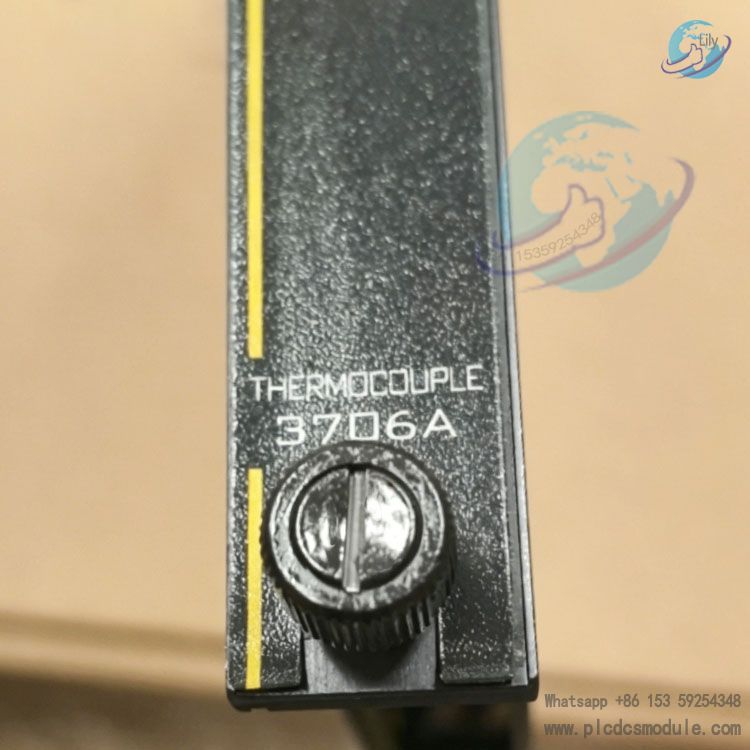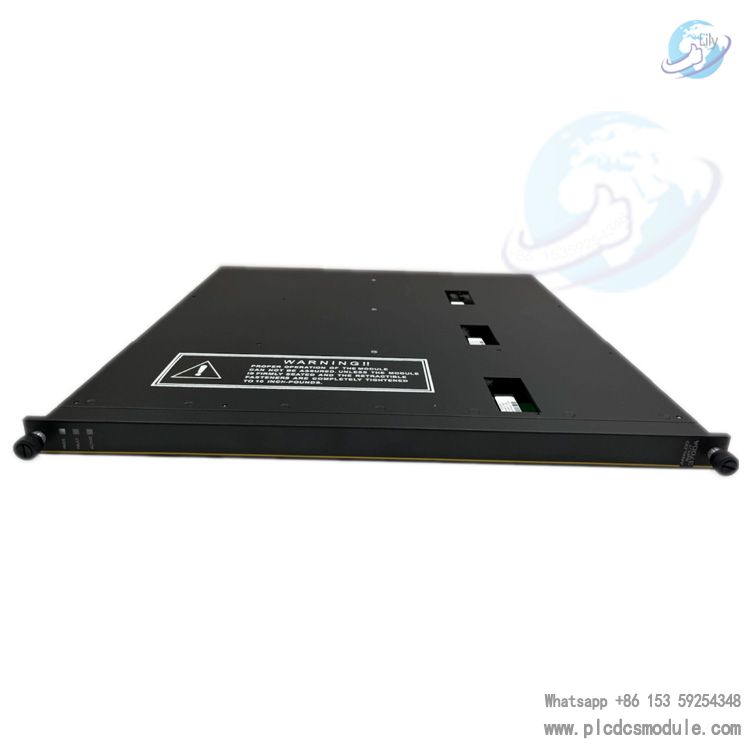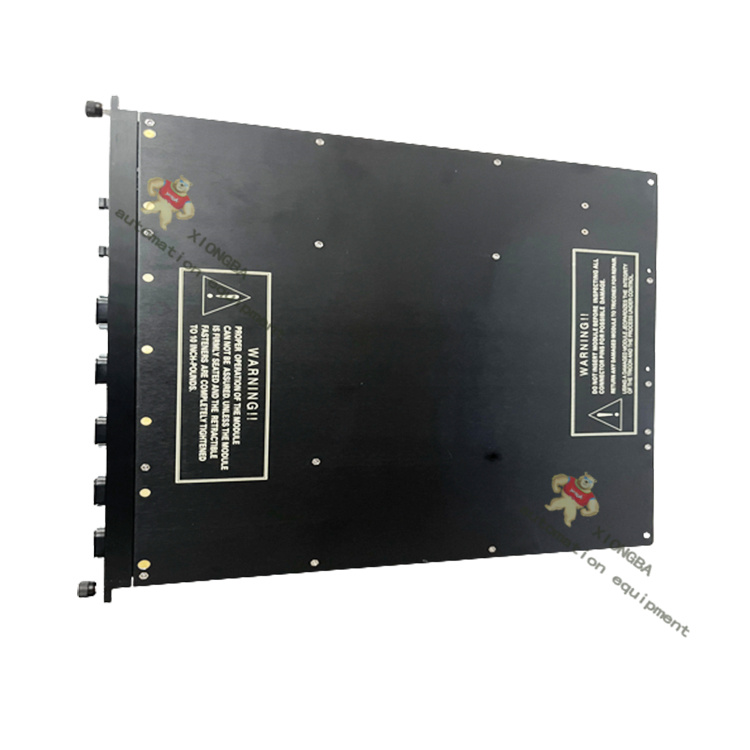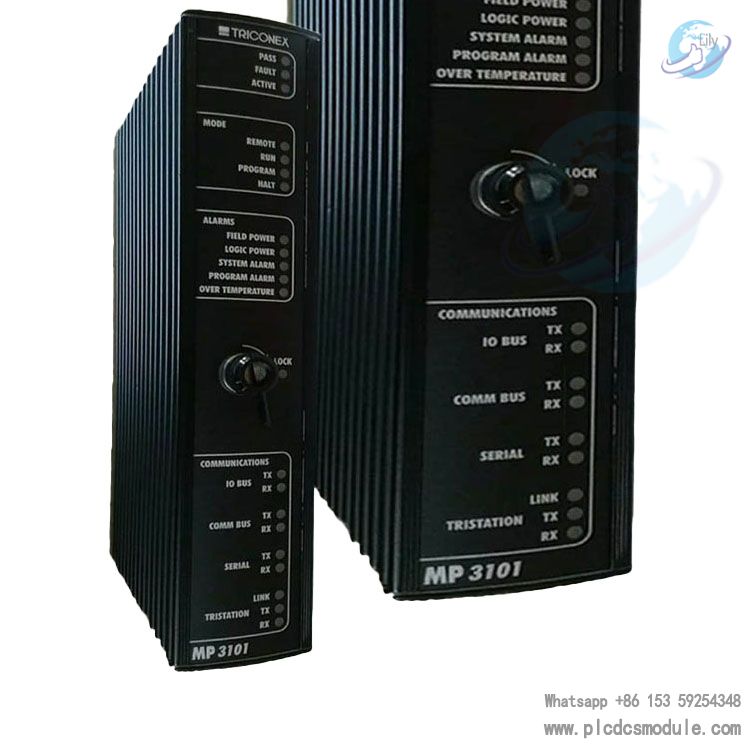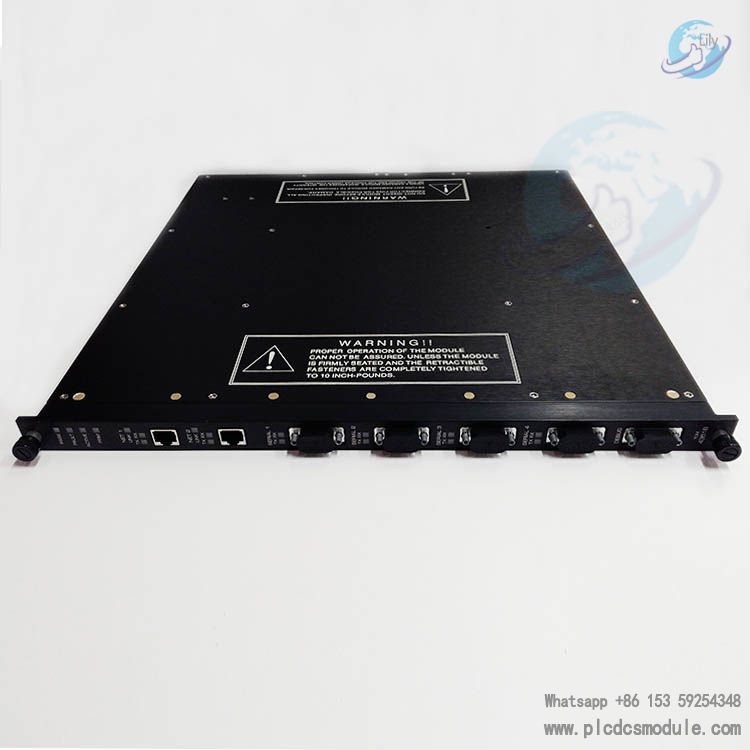


Equipped with multiple differentiated communication interfaces on the hardware side, it embeds a full suite of universal industrial transmission protocols alongside a real-time operating status self-diagnosis mechanism. Supported by a proven triple modular redundant (TMR) hardware architecture, it delivers fault-tolerant and stable data communication throughout operation. Its daily core functions include intra-system data distribution, cross-device protocol conversion, system-wide clock synchronization, HART instrument data interaction, and online configuration of engineering equipment. It unblocks data transmission channels for diverse internal and external devices and multi-platform systems of the safety control solution, and is widely deployed in industrial safety control scenarios with stringent requirements for continuous system operation and data integrity.
Download

Core Advantages
- Integrated multi-type interfaces with strong adaptability to field networkingIt integrates a full range of communication channels including serial ports, Gigabit Ethernet ports, SFP fiber ports, HART buses and infrared debugging ports. Two transmission media (fiber optic and copper cable) can be switched flexibly to adapt to various cabling conditions in plant sites. A single module can simultaneously handle multiple communication services such as serial communication, Ethernet transmission and field bus connection without additional adapter hardware.
- Native compatibility with massive industrial protocols to lower cross-system integration barriersPre-installed with universal industrial communication standards including full Modbus series protocols (ASCII/RTU/TCP), TriStation, TSAA, SSL encryption, SNTP clock synchronization and HART v7, it supports free switching between master and slave modes. It can connect to Triconex controllers, Foxboro DCS, upper HMI, SCADA monitoring platforms and various field smart instruments without modification, greatly reducing workload for project integration and renovation.
- Redundant fault-tolerant hardware architecture for long-term stable operation under harsh working conditionsDesigned with dual parallel processors, it is equipped with comprehensive fault self-test logic and multi-channel status alarm indicators. All communication ports feature 500 VDC electrical isolation protection to effectively resist strong electromagnetic interference in factories. The overall power consumption is controlled below 30 W with mild temperature rise during long continuous operation, enabling stable long-term operation in high-temperature, high-interference industrial production environments.
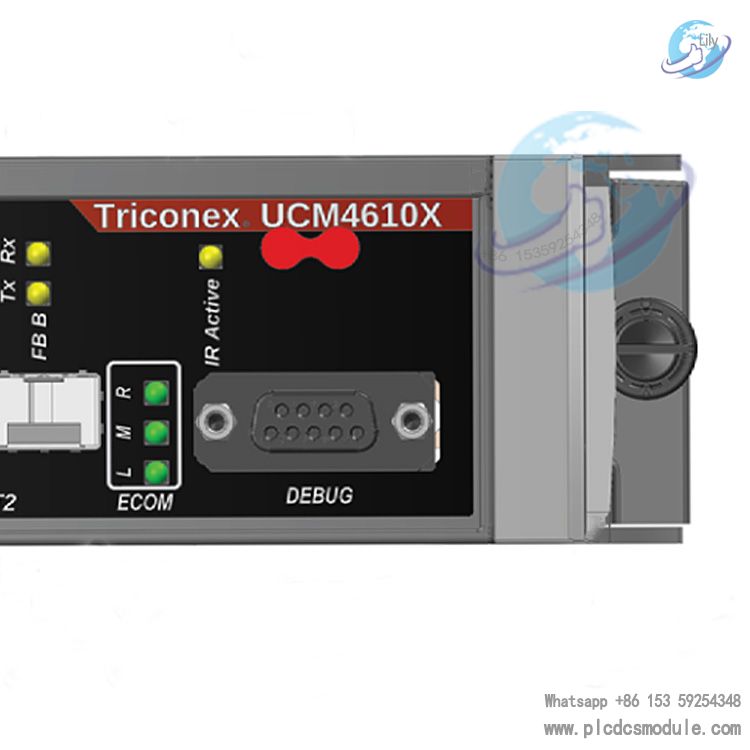
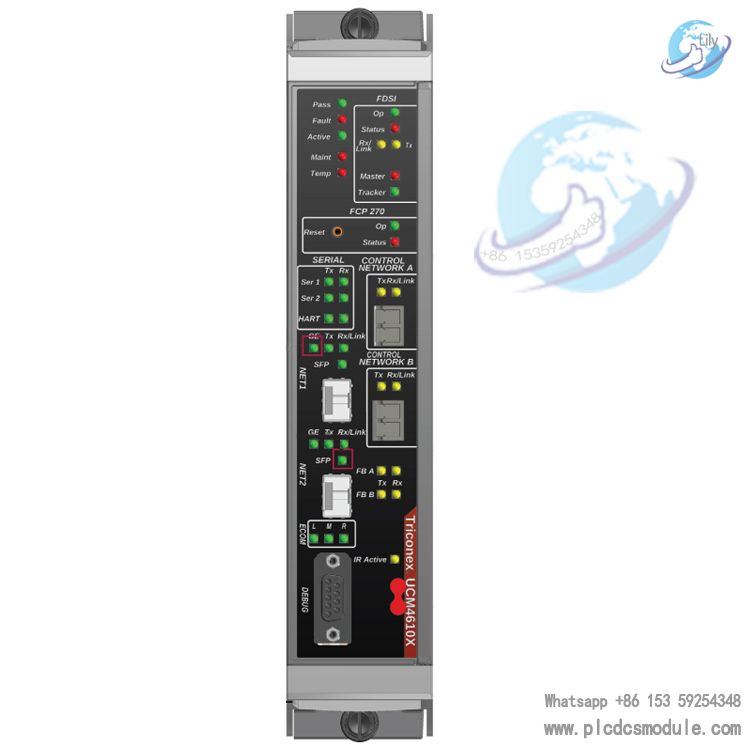
- Localized rapid diagnosis function to save time and labor for equipment maintenanceThe front panel of the module is equipped with a complete array of status indicators covering operation status, module faults, serial ports, Ethernet, FCP, FDSI and all other channel statuses. A dedicated debugging port and infrared configuration channel are reserved, allowing on-site fault troubleshooting and parameter configuration without removing the module, thus shortening equipment downtime for maintenance.
- Standardized slot modular design for simple and efficient expansion and deploymentCompliant with standard rack slot specifications, it supports hot-swappable fast installation. Module quantity can be flexibly increased or decreased according to project communication point requirements. Parameters such as communication packet length and maximum connection channels are uniformly standardized and managed to avoid packet loss and transmission disorder during large-capacity data interaction, ensuring consistent and reliable transmission and reception of mass data.
Product Features
I. Hardware Ports and Front Panel Status Indicators
Physical Communication Ports
It is equipped with 2 DB9 serial ports featuring 500 VDC electrical isolation, supporting both RS232 and RS485 signals, plus an independent RS232 diagnostic and debugging port. Each serial port supports a maximum baud rate of 115.2 Kbps, delivering a combined serial bandwidth of 230.4 Kbps. The port isolation design eliminates interference caused by potential differences between different devices.
Front Panel Status LEDs
II. Hardware Architecture and Operating Performance
III. Supported Protocols and Data Transmission Specifications
Compatible Industrial Communication Protocols
HART Function Limitations
Message Transmission Restrictions
IV. Electrical Protection and Environmental Compatibility
Application Industries
Petrochemical & Coal Chemical Industry
Emergency Shutdown System (ESD) for process units, Fire & Gas (F&G) monitoring, tank safety interlocks, pipeline pressure protection, enabling data exchange between SIS and DCS systems.Oil & Gas Production / Offshore Platforms
Safety control of offshore oil production platforms, compressor anti-surge protection, wellhead safety interlocks. Fiber-optic communication supports long-distance transmission under high-electromagnetic-interference environments.Power Industry
Thermal steam turbine / gas turbine control, generator set safety protection, substation safety monitoring to ensure stable operation of power equipment.Heavy Special Industry & High-End Manufacturing
Interlock systems for high-temperature metallurgical equipment, rail transit signal safety systems, nuclear power auxiliary safety control systems, meeting high-level functional safety requirements.General Industrial Automation
SCADA data acquisition for large-scale plants, networking of smart HART instruments, coordinated control of multi-controller networks.
Product Comparison
| Comparison Item | 4610X (UCM) | 4610 (Standard UCM) | 4609 ACM (Analog Communication Module) |
|---|---|---|---|
| Compatible Chassis | New-generation 8120X main chassis | Legacy 8120E main chassis, compatible with Tricon v11.x systems | All standard Tricon chassis series |
| Core Positioning | Enhanced Unified Communications Module with full-protocol support and multi-medium networking capability | Basic Unified Communications Module mainly for DCS interconnection | Dedicated analog communication module focused on analog signal transmission |
| Interface Configuration | Complete interface portfolio: serial ports, Gigabit electrical ports, multiple SFP fiber ports, HART port and infrared port | Serial ports + 100 Mbps Ethernet; no fiber ports or native HART support | Analog interfaces as primary, simplified network interfaces |
| Supported Protocols | Full protocol coverage including HART v7, SSL encryption, TSAA and all Modbus variants | Basic Modbus and TriStation; no HART or encryption protocols | Analog transmission protocols only, limited general network protocols |
| Network Media | Supports both copper cable and fiber optics with strong long-distance networking performance | Copper Ethernet only, for short-distance networking | Wired electrical interfaces as the main transmission medium |
| Typical Applications | New Tricon CX architecture systems, fiber networking, HART smart instrument networking, encrypted communication | Legacy Tricon systems, pure DCS interconnection, conventional serial communication | Centralized transmission of analog instruments, communication for small I/O points |
| Key Advantages | Comprehensive functions, wide compatibility, fit for new systems, complete maintenance and diagnostic functions | Cost-effective, simple structure, compatible with legacy equipment | High precision for analog signal processing, application-specific design |
Summary
FAQ
A:
① Check if the module is fully seated; power off and reinsert the module.
② Inspect the chassis backplane for dust or oxidation and clean the contacts.③ Check for short circuits or miswiring on serial/Ethernet ports.④ Access TriStation 1131 to review diagnostic logs and identify hardware faults or protocol configuration errors.If the above steps fail, the module hardware is deemed defective and a spare unit needs to be replaced.