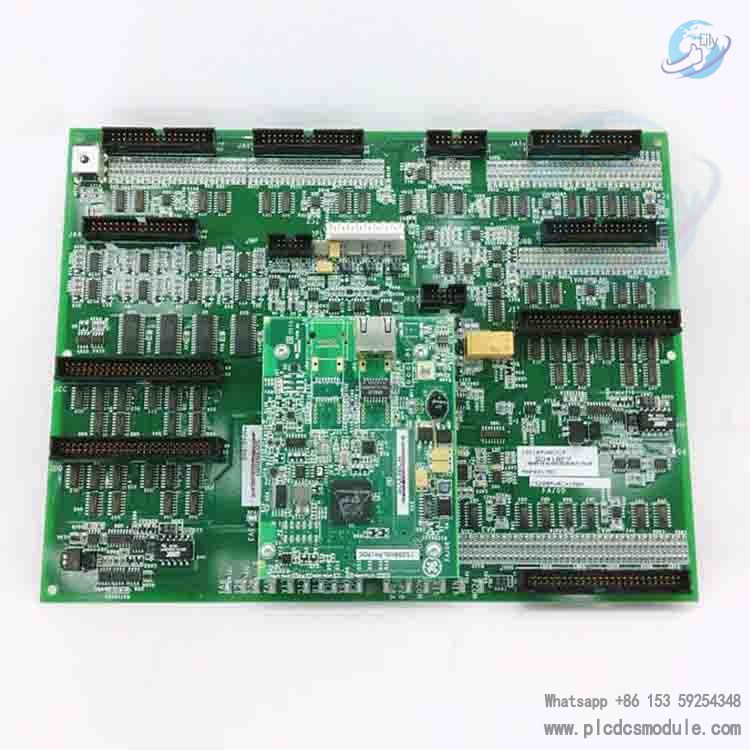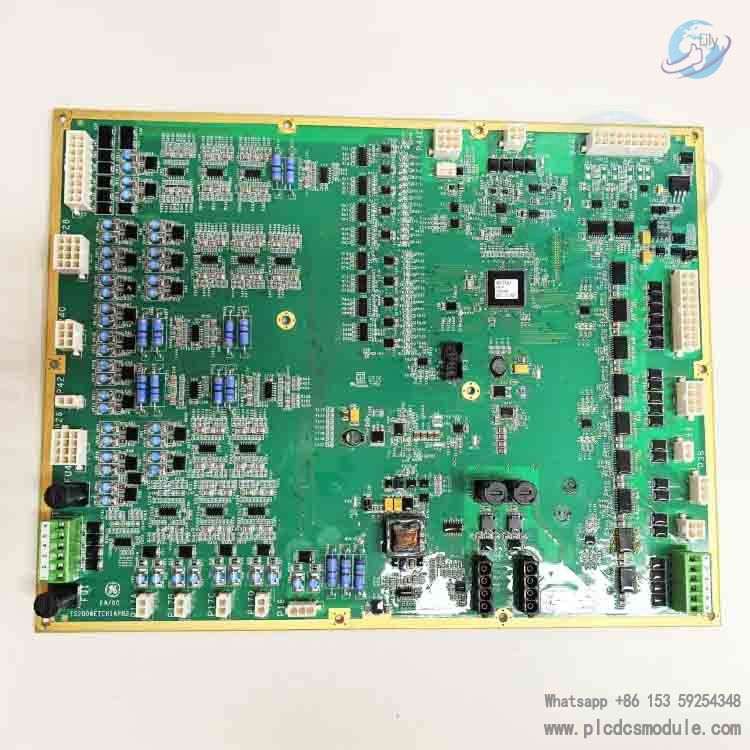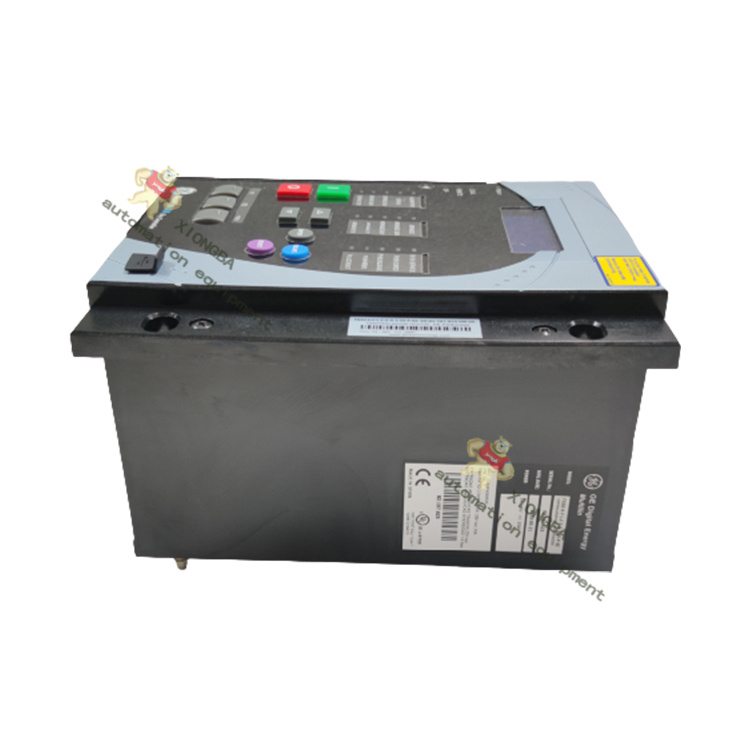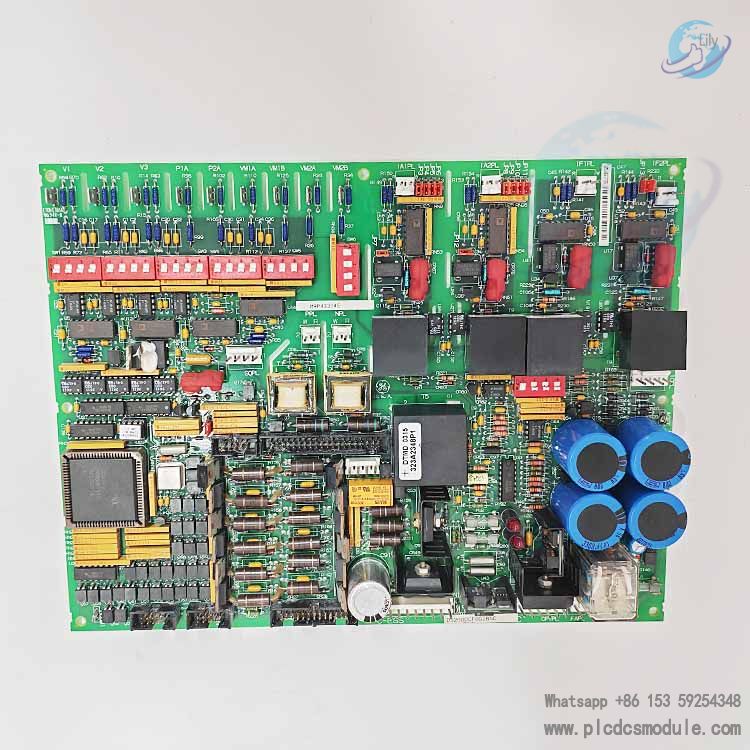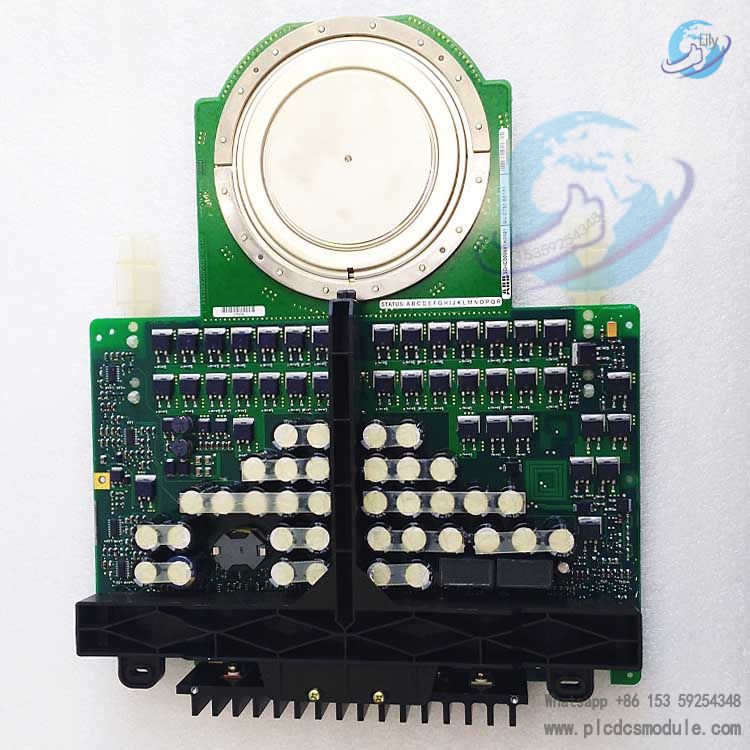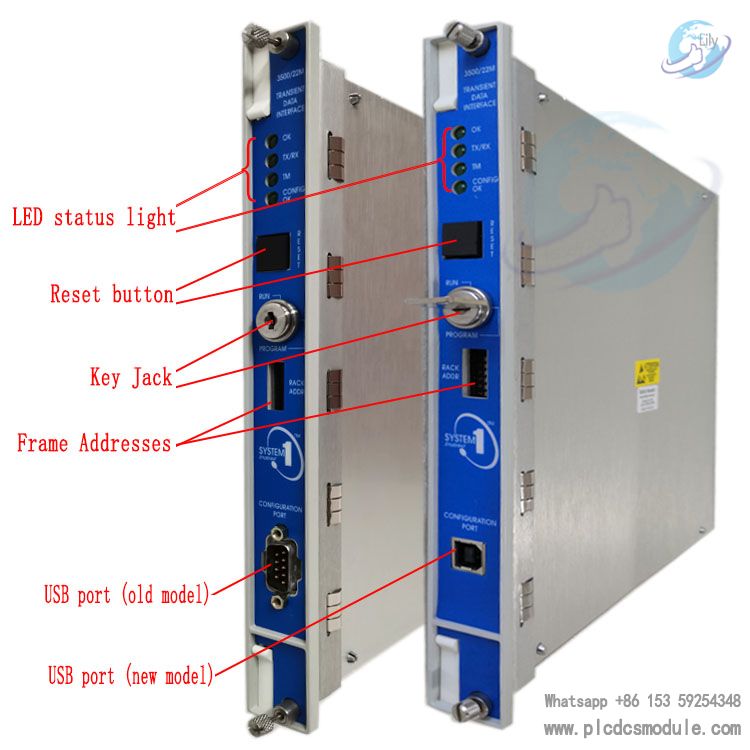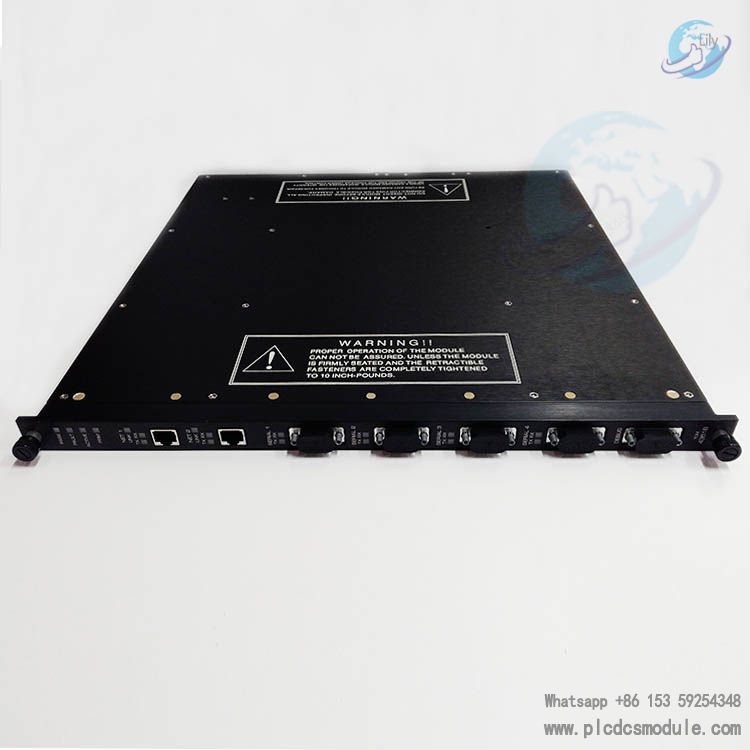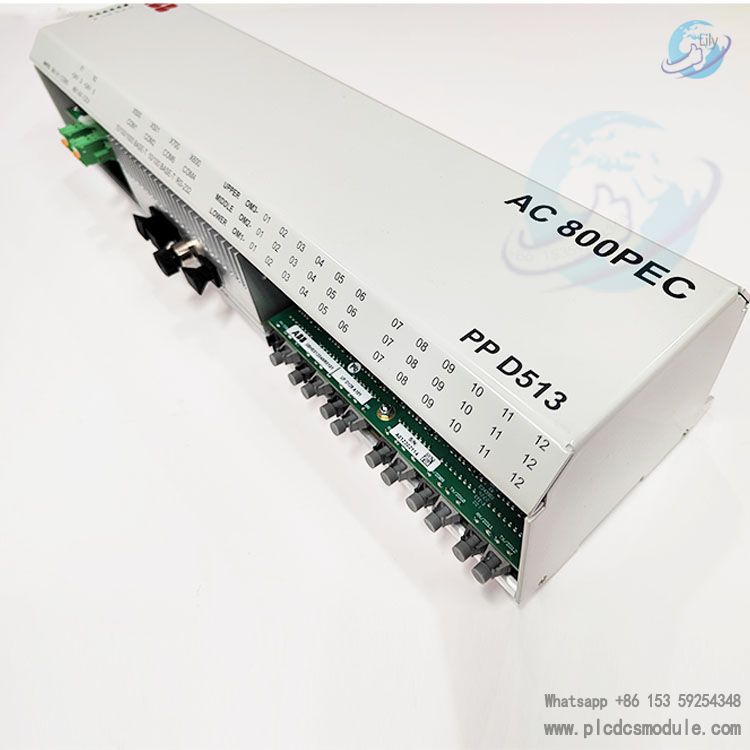


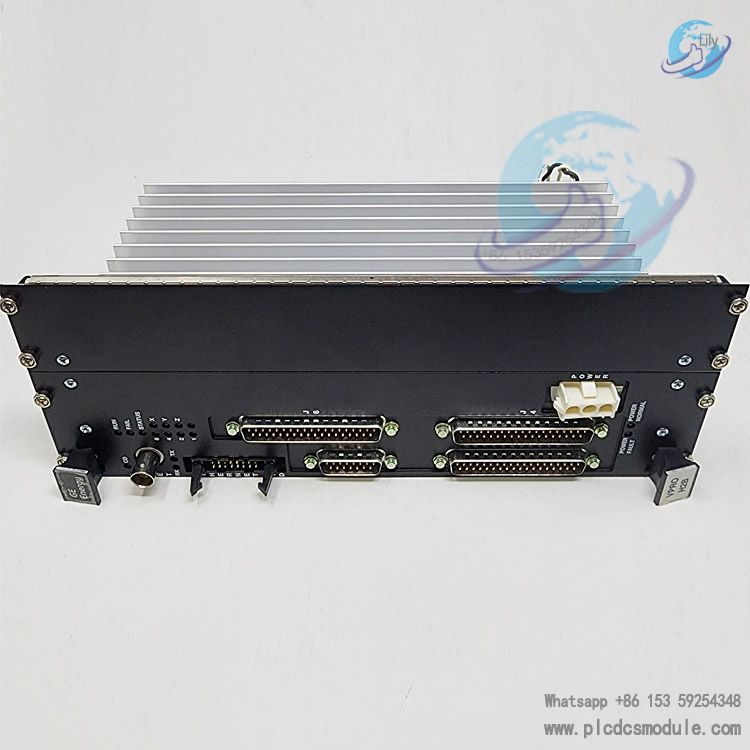
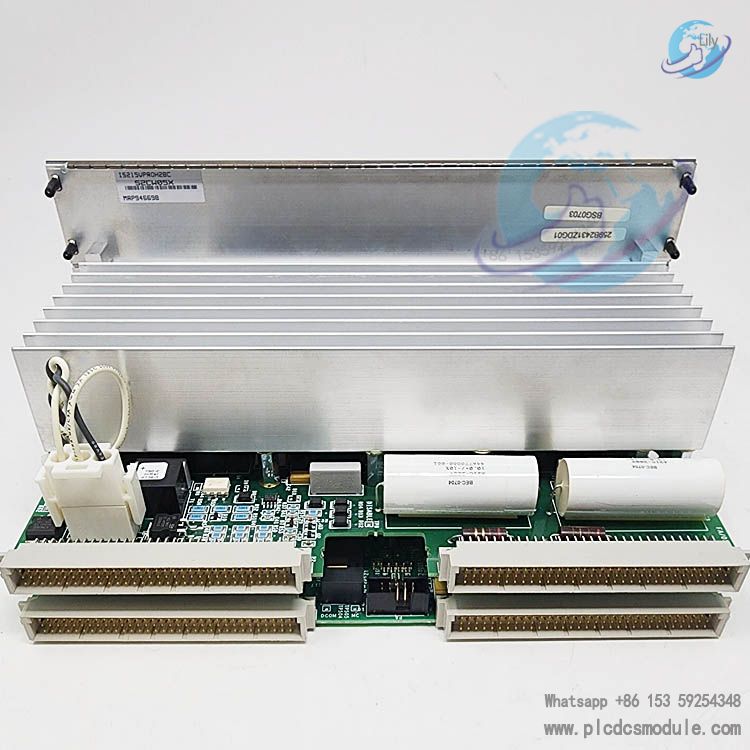
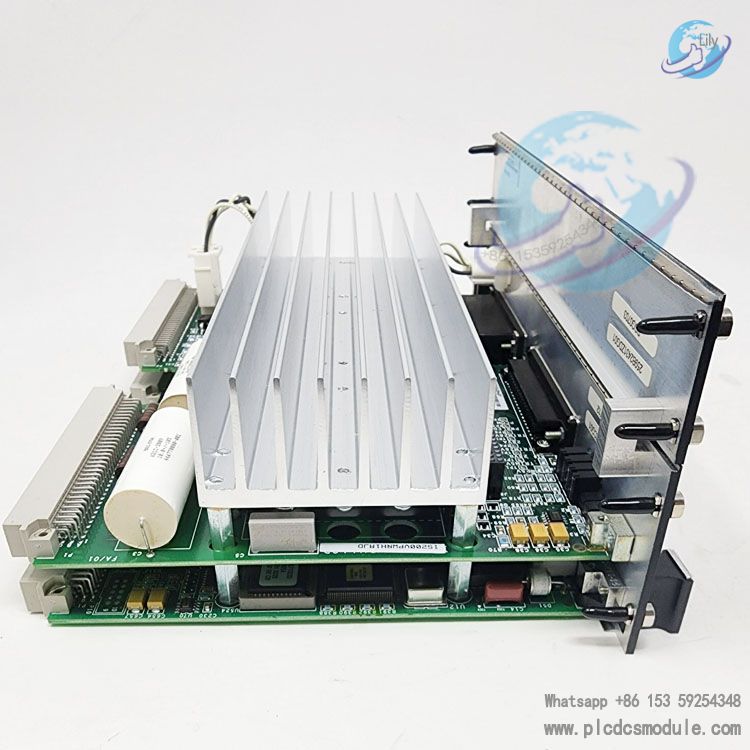
IS215VPROH2BC is a dedicated standalone emergency turbine protection board for GE Speedtronic Mark VI turbine control systems. It implements an independent safety trip circuit fully isolated from the main control unit and serves as the core safety hardware for gas and steam turbine generator sets.
Operating based on Triple Modular Redundancy (TMR) architecture, this board independently acquires critical operating signals including rotational speed, exhaust temperature and interlock switch status. Under extreme fault conditions such as main processor crash or complete communication loss, it can autonomously execute emergency shutdown logic for overspeed overtemperature and interlock faults. It drives trip solenoid valves in coordination with TPRO and TREG terminal boards, and exchanges diagnostic data with the system main controller via the IONet Ethernet bus.
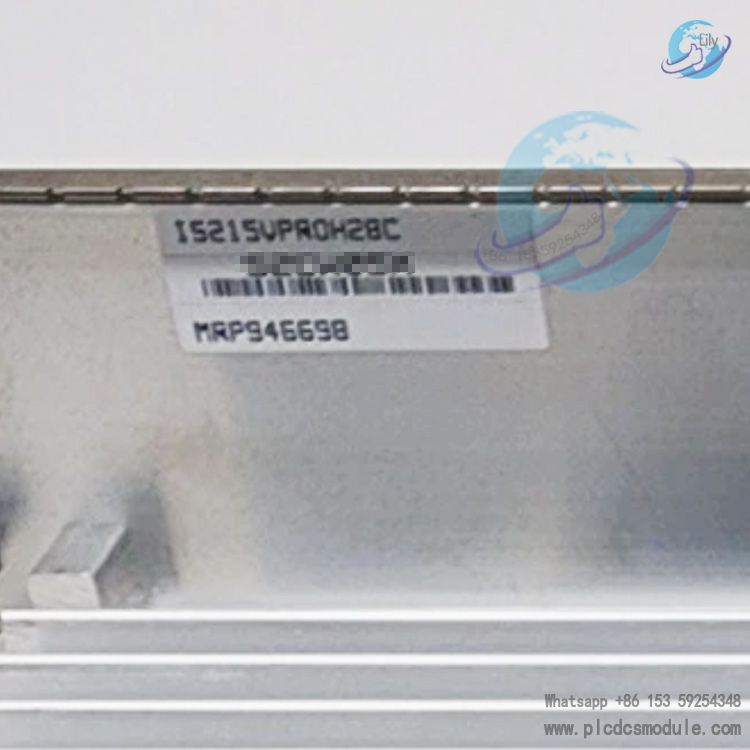
Model Breakdown
The full model IS215VPROH2BC strictly follows GE’s original factory naming conventions with segment-by-segment definitions as below:
- IS215: Unified prefix for standard VME rack-mounted boards of the IS200/IS215 series for Mark VI systems
- VPRO: Functional abbreviation for Vibration Protection Overspeed Trip, denoting a dedicated board for turbine overspeed emergency protection
- H2: Second-generation base hardware architecture; optimized relay drive circuits and communication anti-interference design compared with the H1 revision
- B: Major hardware revision defining underlying board logic and channel assignments; Revision B is the current mass-production stable version
- C: Minor hardware revision featuring minor upgrades to PCB routing and component BOM, fully backward-compatible with all equipment using Major Revision B of the same series
Product Features
- Power Supply Specifications: 125 VDC input supplied by the cabinet PDM (Power Distribution Module). On-board isolated power modules convert to internal operating voltages of 5 VDC and 28 VDC. The three redundant boards feature independent power supplies with no mutual interference.
- Trip Drive Configuration: Each single board is equipped with 12 power relays. Nine relays are grouped into three 2-out-of-3 voting output circuits. A complete unit can drive up to 6 unit trip solenoid valves, while the TREG terminal board distributes positive and negative 125 VDC supply loops for solenoid valves.
- Sensor Interfaces: Supports 6 passive magnetic speed sensors for rotor speed acquisition, 9 Type-K thermocouples for turbine exhaust temperature monitoring, and 3 analog 4–20 mA channels for pressure and vibration signal collection.
- Communication Standards: Dual-channel IONet industrial Ethernet adopting GE proprietary real-time bus protocol, enabling real-time data exchange with UCVE and VCMI main control boards, and compatible with Proficy monitoring software.
- Mounting Specifications: Standard single-slot VME rack form factor compatible with Mark VI standard 19-inch control cabinets. Vertical slot mounting inside racks is supported, with original factory locking levers provided to prevent loose contact.
- Diagnostic Functions: On-board local fault log storage recording historical alarms including channel short circuits, over-range signals, communication disconnections and relay welding; logged data is retained after power loss.
- Compliance Standards: Certified to UL industrial safety and CE EMC standards, meeting specifications for control equipment deployed in hazardous areas of thermal power and combined-cycle power plants.
Application Industries
- Control systems for gas turbine units in large thermal power plants
- Safety protection units for steam turbines at combined-cycle power stations
- Monitoring systems for large compressor units on long-distance natural gas transmission pipelines
- Turbine generator sets of captive power plants in coal chemical plants
- Self-supplied power steam turbine units in metallurgical steel mills
- Steam turbine units for municipal waste-to-energy power plants
- Gas turbine control stations for distributed energy systems
- Large marine power turbine control systems
Product Comparison
IS215VPROH2BC vs IS215VPROH1B
Hardware Version: 2nd-generation H2 architecture / 1st-generation H1 architectureRelay Circuit: Optimized anti-welding drive circuit for extended service life / Original drive circuit prone to contact oxidation under heavy loadsCommunication Anti-Interference Performance: Dual network ports equipped with electromagnetic filters for use in high-electric-field control rooms / No filtering components, susceptible to packet loss near variable frequency drives in power plantsCompatibility: Backward compatible with all Mark VI main controllers, supports new UCVEH2AE models / Only compatible with legacy UCVGM controllersApplicable Scenarios: New power plant construction, retrofit replacement of aging turbine units / Spare part replacement for early in-service units
IS215VPROH2BC vs IS215VCMIH2B (Main Communication Board)
Core Function Positioning: Independent safety protection unit with autonomous trip logic calculation / System bus master board that only forwards signals without built-in protection logicRedundancy Architecture: Triple modular redundant hardware with 2-out-of-3 voting protection / Single-board operation without safety voting mechanismTrip Drive Capability: Built-in high-power relays for direct solenoid valve driving / No power output; only transmits digital commandsFault Isolation Performance: Physically isolated from main control units, capable of unit protection even upon main controller failure / Core main control component; its failure will cut off all control functions
Supporting Products
IS215TREGH1AB Trip Solenoid Valve Terminal BoardIS215TPROH1AC VPRO Signal Acquisition Terminal BoardIS215UCVEH2AE Mark VI System Main ControllerIS215VCMIH2B VME Bus Communication Master BoardIS215PDMH1A Cabinet Power Distribution ModuleIS215WETAH1BB Auxiliary Temperature Acquisition BoardIS215ISBBH1A Bypass Interlock Terminal BoardVMIVME Standard VME Rack Backplane
FAQ
Q1 Can IS215VPROH2BC and IS215VPROH2B be directly interchanged?A1 Yes. The suffix C denotes a minor revised upgraded material version with fully backward-compatible hardware pins and logic firmware. No wiring or configuration program modification is required on site; direct replacement enables immediate operation.
Q2 Will a faulty single VPRO board trigger an emergency turbine trip shutdown?A2 No. The complete protection unit adopts a 2-out-of-3 voting logic with three boards. A fault on one unit only generates a fault alarm, while the remaining two functional boards sustain full protection without false shutdown. The faulty board shall be replaced during a scheduled outage.
Q3 Does this board support hot-swap replacement online?A3 No. The VPRO protection circuit is tied to the unit’s safety trip loop. Hot plugging may cause unintended actuation of solenoid valves. Disassembly and installation are only permitted after full unit shutdown and complete power cut-off of the cabinet.
Q4 Are factory firmware and wiring diagrams supplied with brand-new original boards?A4 Brand-new original spare parts come preloaded with factory standard firmware, accompanied by printed hardware manuals and terminal wiring schematics. Firmware installation packages need separate application for refurbished boards.
Q5 What are the most common causes for steady red FAIL indicator on the front panel?A5 Over 90% of such faults fall into five categories: abnormal supply voltage, broken IONet cables, short-circuited thermocouple channels, damaged internal relay contacts, and poor contact of the VME backplane bus.
Q6 Can IS215VPROH2BC be upgraded for legacy Mark VIe systems?A6 The Mark VIe architecture features revised hardware bus protocols without direct compatibility. The dedicated VIe-series VPRO protection board IS220VPROH1A shall be used instead; IS215 series boards cannot be mixed.
Q7 What is the maximum retention period for fault logs stored on the board, and will logs be lost after power loss?A7 The local flash memory stores alarm logs for nearly one year. Log data is retained through power loss and reboot, and can be exported to the host PC via the IONet bus for permanent backup.
Q8 Are there configuration parameter discrepancies among bulk purchased VPRO boards, requiring separate commissioning?A8 Brand-new boards from the same production batch share identical factory preset parameters, so reconfiguration is unnecessary when replacing faulty boards of the same model. For different batch revisions, only firmware version verification is needed with no modification to measurement point logic.
Recommended Models of the Same Series
IS215VPROH1B – 1st Generation Turbine Overspeed Protection BoardIS215TREGH1AB – Trip Solenoid Valve Terminal BoardIS215TPROH1AC – VPRO Signal Terminal BoardIS215UCVEH2AE – Mark VI Main ControllerIS215VCMIH2B – VME Bus Master Communication BoardIS215WETAH1BB – Thermocouple Temperature Acquisition BoardIS215ACLEH1AB – Analog Control Layer BoardIS215ISBBH1A – Bypass Interlock ModuleIS215UCVGM06A – Early General-purpose ControllerIS215PDMH1A – Cabinet Power Distribution ModuleIS215VAMBH1A – Analog Input Expansion BoardIS215VMEBH1B – VME Backplane Interface BoardIS215RSLAH1A – Speed Signal Conditioning BoardIS215DOBH1AC – Digital Output Relay BoardIS215AACH1AB – Analog Output Regulation Board