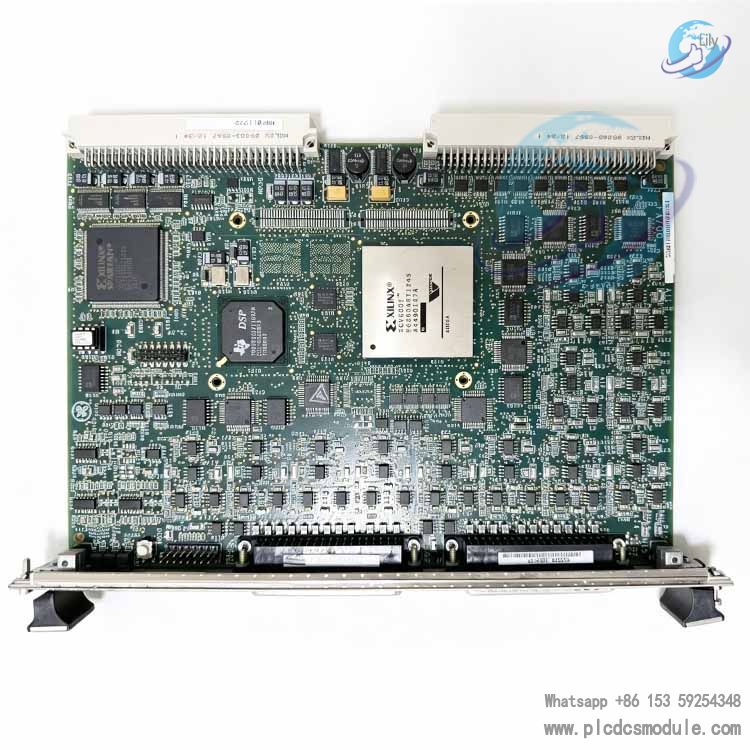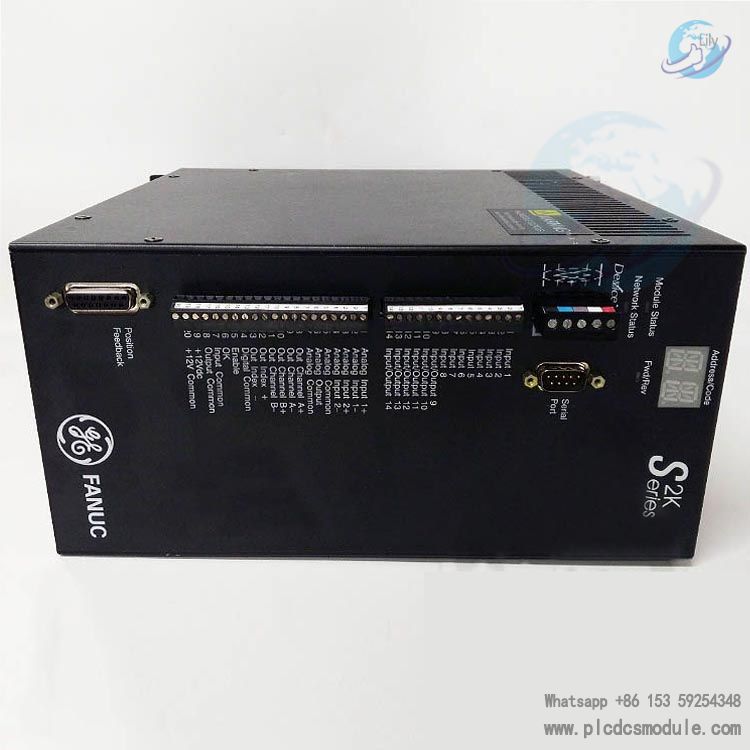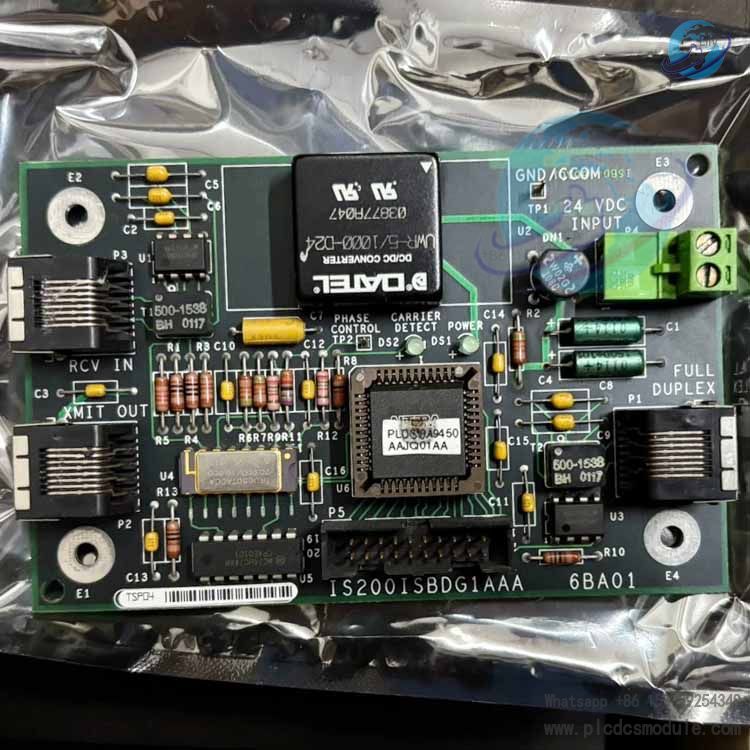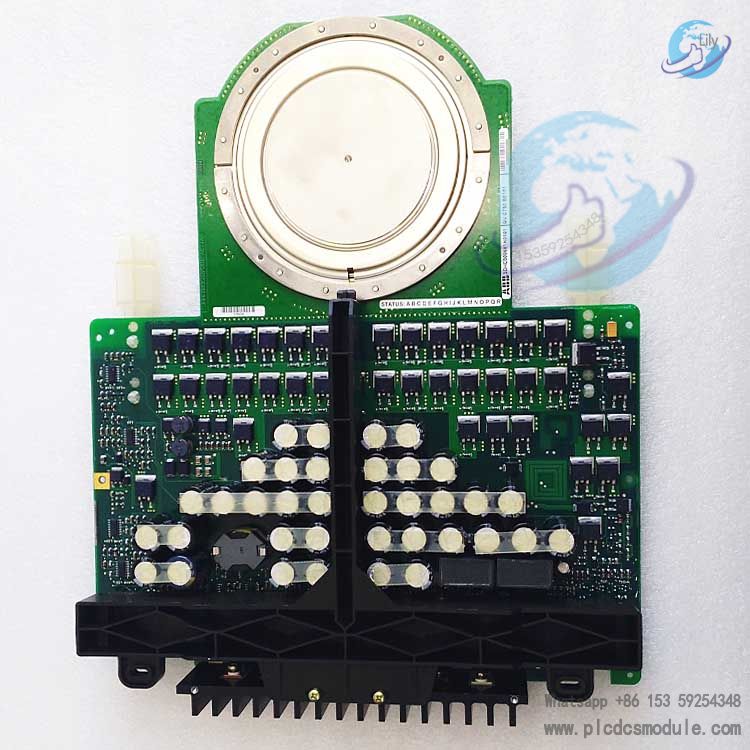


GE IS200AEPCH2CDC / IS215AEPCH2FAA paired with IS210BPPCH1AD
This is a Mark VIe excitation / power bridge control PCB assembly.
IS210BPPCH1AD: I/O Pack processor motherboard
IS200AEPCH2CDC: Low-level power drive PCB
IS215AEPCH2FAA: Complete assembled unit It handles SCR/IGBT firing pulse output, excitation bridge feedback acquisition and power loop protection.
Widely deployed in generator excitation systems and turbine power conversion units.


FAQ
Q1: What is the relationship among the three part numbers?
A1: IS210BPPCH1AD is the core processor board of the I/O Pack; IS200AEPCH2CDC is the pulse driver sub-PCB; IS215AEPCH2FAA is the complete assembly including both boards, normally purchased as a set for replacement.
Q2: Which section of the EX2100 excitation system does this board set serve?
A2: It controls the excitation rectifier bridge, outputs SCR firing pulses, samples excitation voltage and current feedback, and performs AVR voltage regulation plus bridge arm fault protection.
Q3: Does it support TMR triple modular redundancy?
A3: Yes. The assembly can be configured in a 2oo3 voting architecture. Hardware revisions must be consistent; mixing different revisions is not permitted.
Q4: Can IS200AEPCH2CDC be replaced alone?
A4: Theoretically feasible. However, replacement of the full IS215AEPCH2FAA assembly is recommended to prevent communication or pulse timing anomalies caused by mismatched versions and firmware.
Q5: How does it differ from WEPA series excitation boards?
A5: WEPA boards focus on power interfaces, while AEPCH series boards focus on pulse generation and bridge protection calculations. The two types work together inside EX2100 excitation cabinets.
Q6: What built-in fault diagnostics are available?
A6: Missing thyristor firing pulse, overcurrent, excitation circuit open circuit, on-board power supply fault and IONet network interruption. Alarms are sent to the Mark VIe controller and logged as events.
Q7: Is a terminal board required?
A7: The power side connects directly to the excitation power unit. The signal side interfaces with the IONet network via backplane; standard DI/DO terminal boards are not needed.
Q8: Typical applications?
A8: EX2100 excitation regulation systems for thermal and hydro generators, and excitation control for gas turbine combined-cycle units.