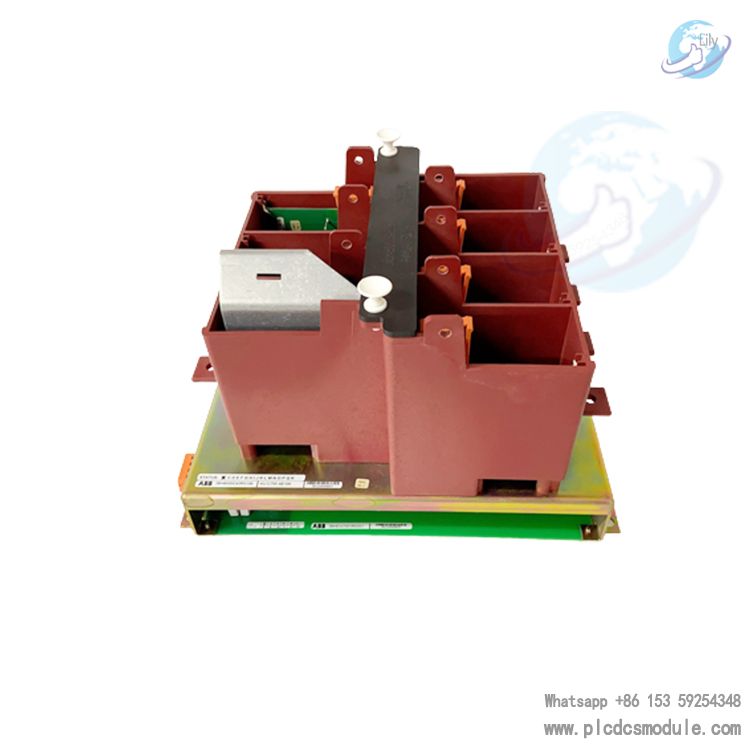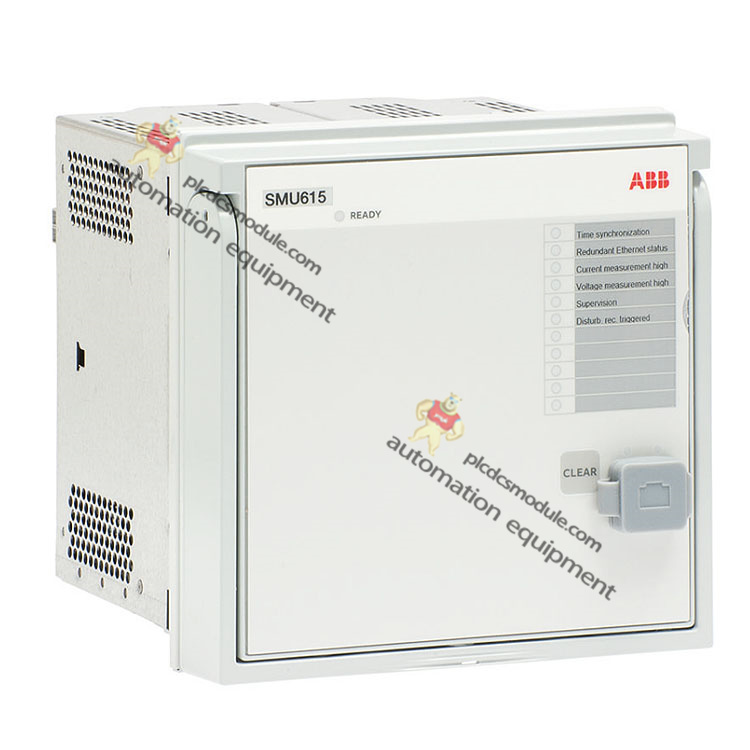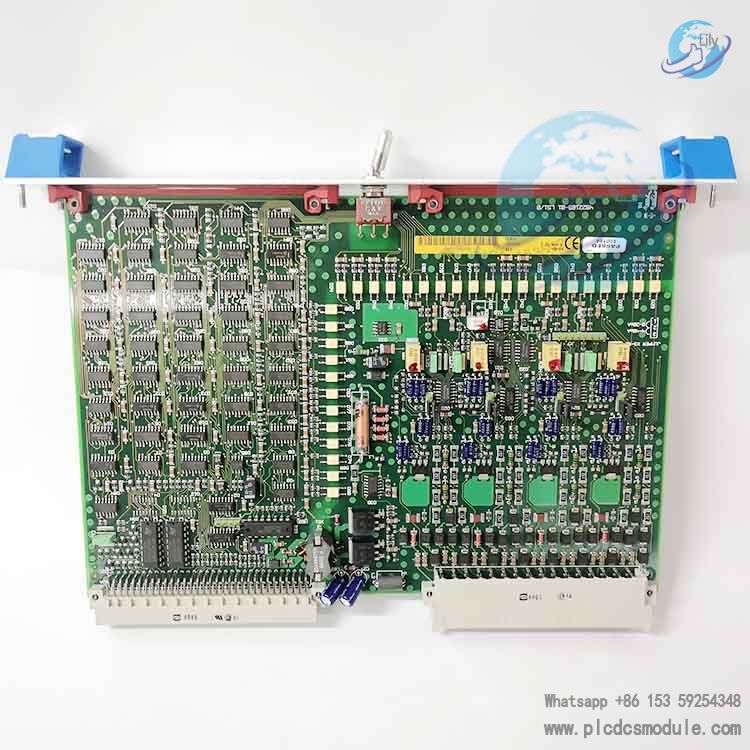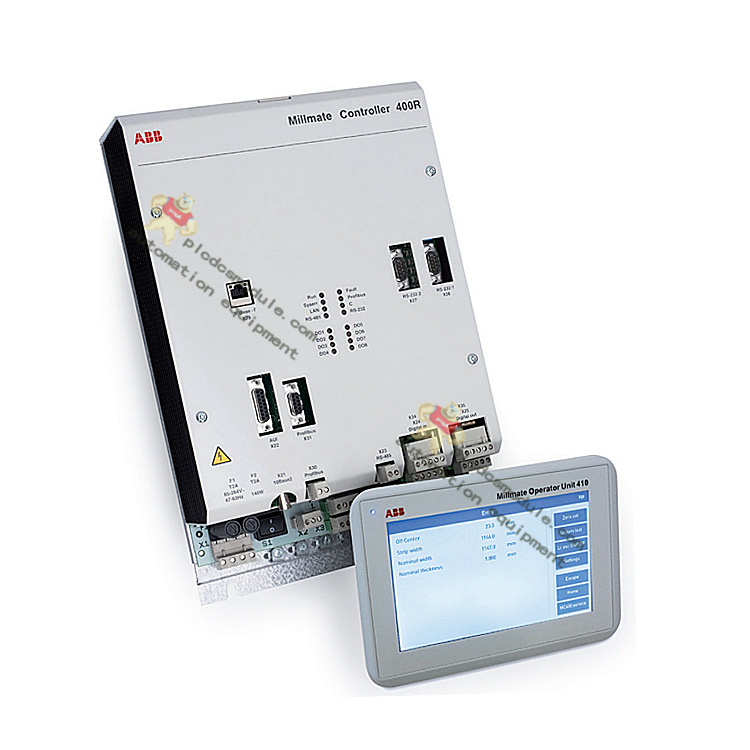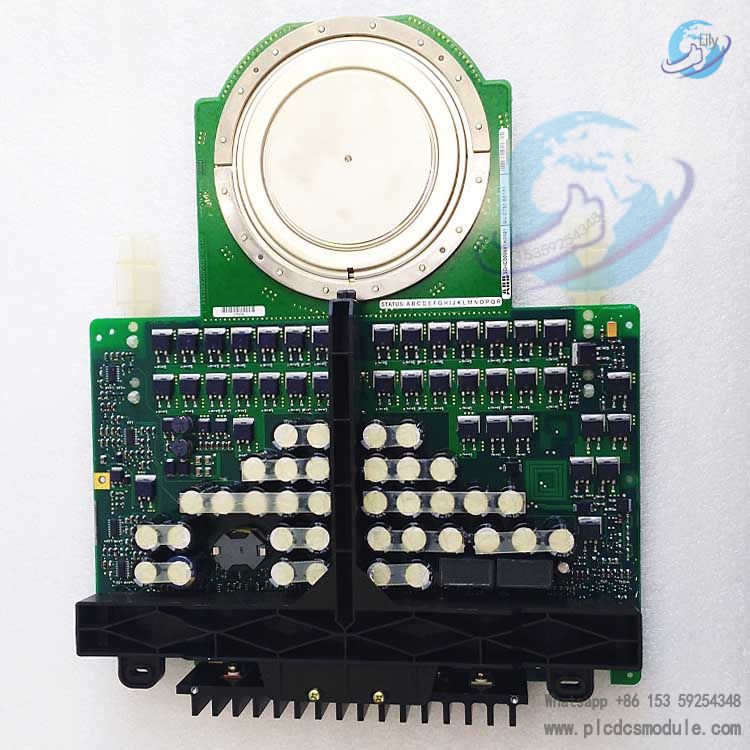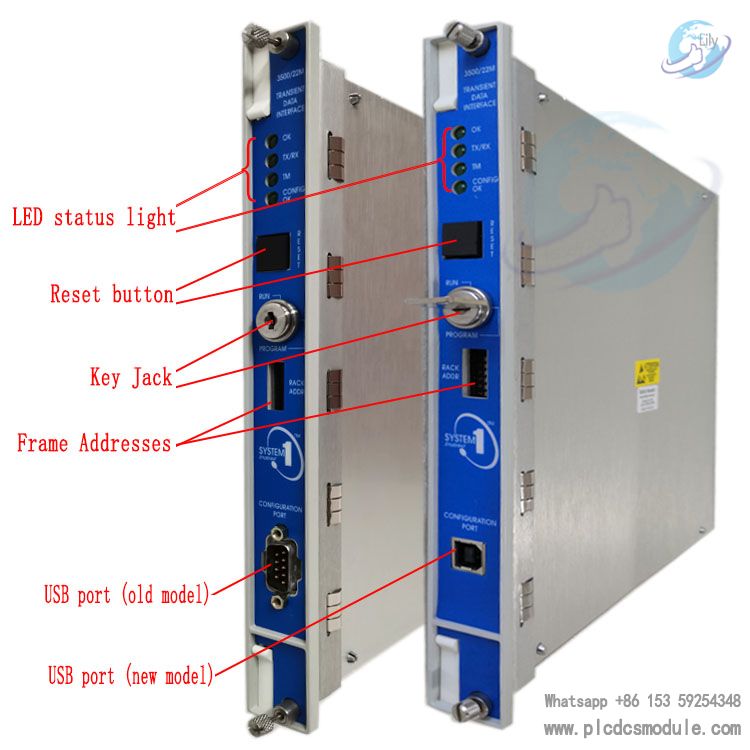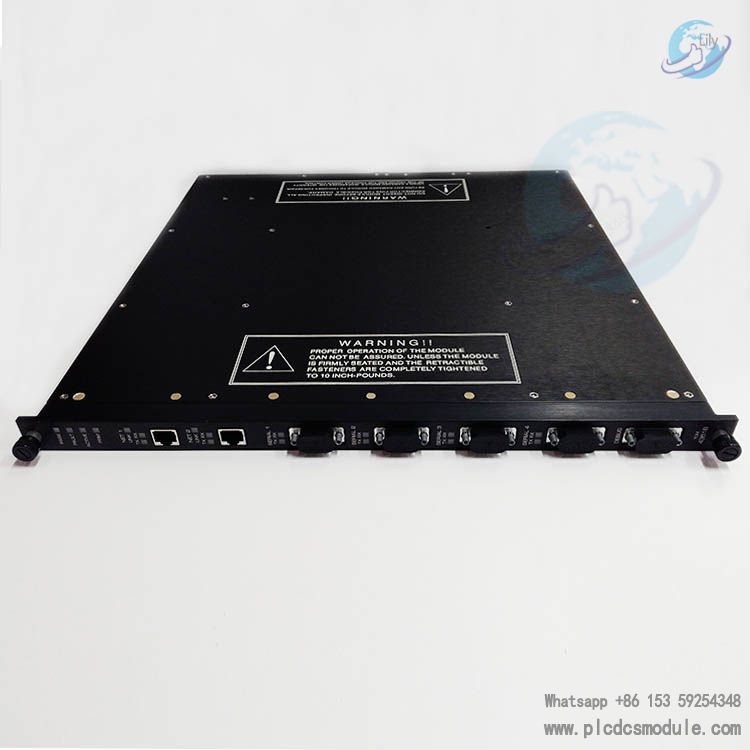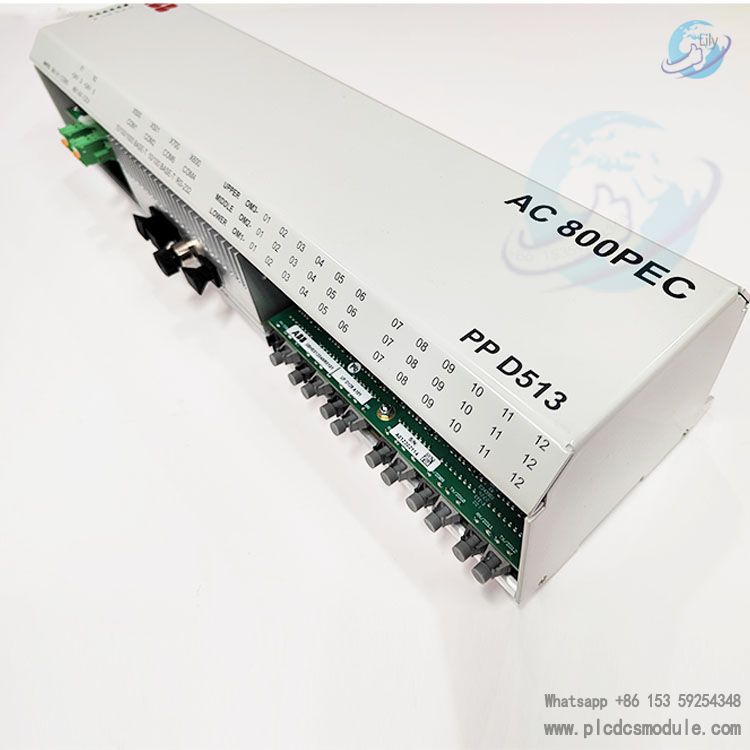


PPD113B01-26-150000 belongs to the AC 800PEC series under ABB ControlIT product line, serving as a dedicated controller core for power electronics and high-end industrial control. It integrates a high-performance RISC processor and an FPGA acceleration architecture, supports model-based development with MATLAB/Simulink and IEC 61131-3 standard programming, and can seamlessly connect to the ABB System 800xA system, meeting full-scenario control requirements ranging from high-speed power conversion to complex process monitoring.
This module features microsecond-level control cycles, all-optical communication, and a fanless industrial-grade design as its core advantages, and is widely used in critical applications such as excitation control, high-voltage frequency conversion, static var compensation, and rolling mill thickness control.
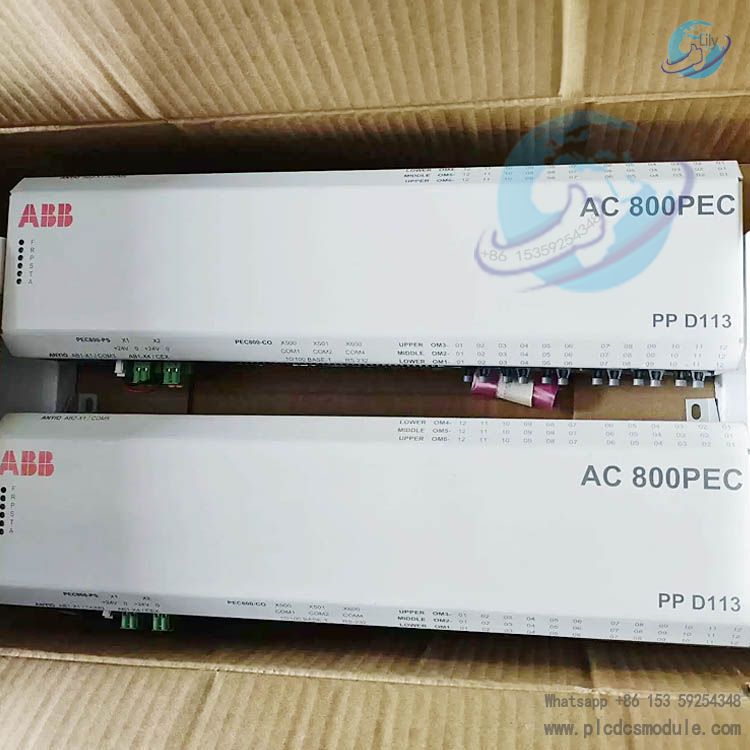
Core Hardware Specifications
1. Processor and Memory
- Processor: 600 MHz RISC architecture with integrated 64-bit IEEE floating-point unit (FPU), optimized for high-speed control algorithms
- Memory: 64 MB SDRAM (program runtime cache); 16 MB industrial-grade Flash (program and data storage, non-volatile)
- Architecture: CPU + FPGA co-processing; FPGA handles ultra-high-speed logic and communication protocol processing at 25 ns without occupying CPU resources
2. Physical and Environmental Parameters
- Mounting: Standard DIN rail mounting or direct wall mounting
- Operating Temperature: -20°C ~ +60°C (industrial grade); extended to -40°C ~ +70°C for traction applications
- Protection & Reliability: Fanless design with no moving parts, high resistance to vibration and electromagnetic interference (EMI)
- Dimensions / Weight: Approx. 450 mm × 145 mm × 100 mm; approx. 2.5 kg
3. Communication Interfaces (Native)
- Ethernet: 2× 10/100 Mbps, for programming, monitoring, system networking and 800xA integration
- Serial Ports: RS‑232 (service port), RS‑232/RS‑422 (local operation panel)
- Optical Communication: Up to 6 optical module interfaces, supporting 36 bidirectional optical fiber PowerLink links for high-speed, isolated communication with I/O and power equipment
- Expansion Bus: 2× AnyIO interfaces, supporting CEX communication modules and AnyBus‑S fieldbus expansion
Performance and Control Capabilities
1. Control Cycle (Three-Level Architecture)
- Ultra-High Speed (FPGA): 25 ns, for pulse generation, fast protection, high-frequency modulation
- High Speed (MATLAB/Simulink): 100 μs, for closed-loop control, protection logic, state machines
- Standard Speed (IEC 61131-3): 1 ms, for process monitoring, logic interlocking, HMI interaction
2. I/O and Expansion Capabilities
- High-Speed I/O: Dedicated optical ports; typical analog/digital I/O cycle of 25 μs, supporting direct driving of power devices such as IGBT/IGCT
- Standard I/O: Compatible with ABB S800 series I/O for low-speed process signal acquisition and control
- Expansion Limit: Single module supports up to 36 bidirectional optical fiber links, connecting a large number of remote I/O and power units
Software and Programming Environment
1. Three-Level Programming System
- Level 1 (System Engineering): ABB Control Builder M, supporting all 5 IEC 61131‑3 languages for conventional control and system integration
- Level 2 (Fast Control): MATLAB/Simulink + Real‑Time Workshop, automatic C code generation and download for complex model-based control
- Level 3 (Ultra-High-Speed Logic): VHDL for FPGA firmware development, handling nanosecond-level timing and dedicated protocols
2. Engineering Tools
- Control Builder M: Core platform for system configuration, programming, commissioning and monitoring
- PECView: Dedicated service tool for real-time analysis, diagnosis and maintenance of Simulink applications
- Process Panel Builder: Rapid operator interface development for local and remote monitoring
Main Functions and Advantages
1. Core Functions
- High-Speed Closed-Loop Control: For fast regulation loops of voltage, current, flux, position, etc.
- Dedicated Excitation Control: Integrated AVR (Automatic Voltage Regulator), manual excitation, reactive power/power factor control, under-excitation/over-voltage protection, etc.
- Power Conversion Control: Direct pulse generation and protection for frequency converters, rectifiers, SVG, STATCOM and other power electronic devices
- Multi-Protocol Communication: Native support for Modbus TCP, Profibus, IEC 61850, DDCS, CANopen, etc.; almost all industrial buses can be extended via CEX/AnyBus
- Redundancy & High Availability: Supports controller hot standby, communication redundancy, I/O redundancy to meet continuous operation requirements in power generation, metallurgy and other critical processes
2. Product Advantages
- All-in-One Design: Handles both high-speed power control and low-speed process monitoring simultaneously, reducing system complexity and cost
- Model-Based Development: Simulink simulation directly generates code, greatly shortening development cycles and reducing human errors
- All-Optical Communication: No electrical connection between controller and I/O/power equipment, strong anti-interference, complete isolation, extremely low transmission delay
- Long Product Lifecycle: Industrial-grade hardware design, supporting smooth upgrades and protecting user investment
- System Integration: Deeply integrated with ABB 800xA DCS for unified plant-wide monitoring and management
Typical Application Scenarios
- Power Generation: Synchronous generator excitation control systems, high-speed drives for power plant auxiliaries, grid stability control devices
- Industrial Drives: Main rolling mill drives, hoists, variable frequency speed control and tension control for large fans/pumps
- Power Electronics: MV drives, SVG (Static Var Generator), APF (Active Power Filter), HVDC converter valve control
- Rail Transit: Traction converters for electric locomotives, power supply system control for urban rail transit
- Special Equipment: High-precision test equipment, pulse power supplies, laser processing and other equipment requiring extremely high dynamic response
Recommended Product Models
The PPD113 series is the standard processor module for AC 800PEC, with suffixes distinguishing configurations and functions:
- PPD113B01‑26‑150000: Basic version, 600 MHz CPU, standard optical and communication configuration
- PPD113B03‑26‑100110: Enhanced version, optimized for specific excitation/drive applications, improved I/O and protection logic
- PPD113B01‑25‑111000: Legacy version, 750 MHz CPU, compatible with legacy system expansion