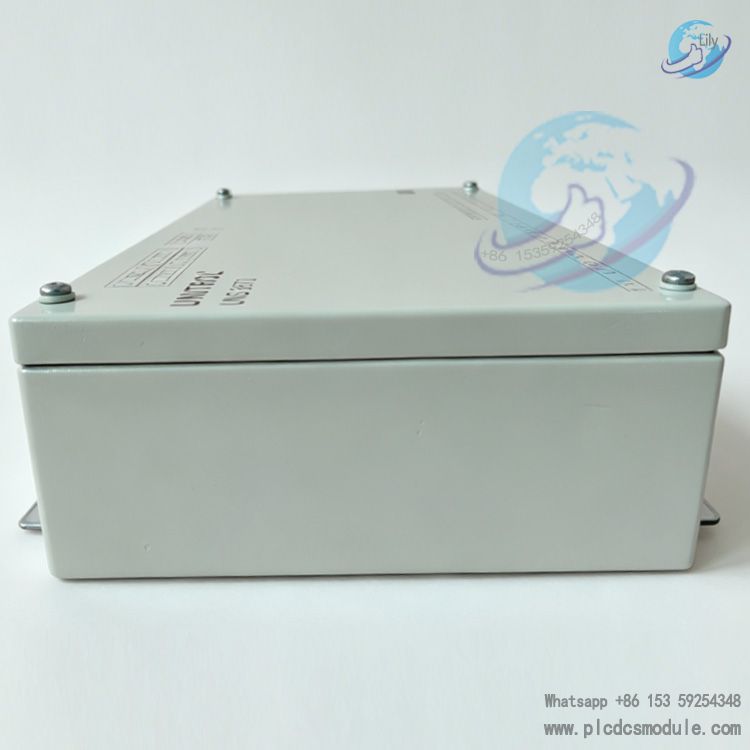
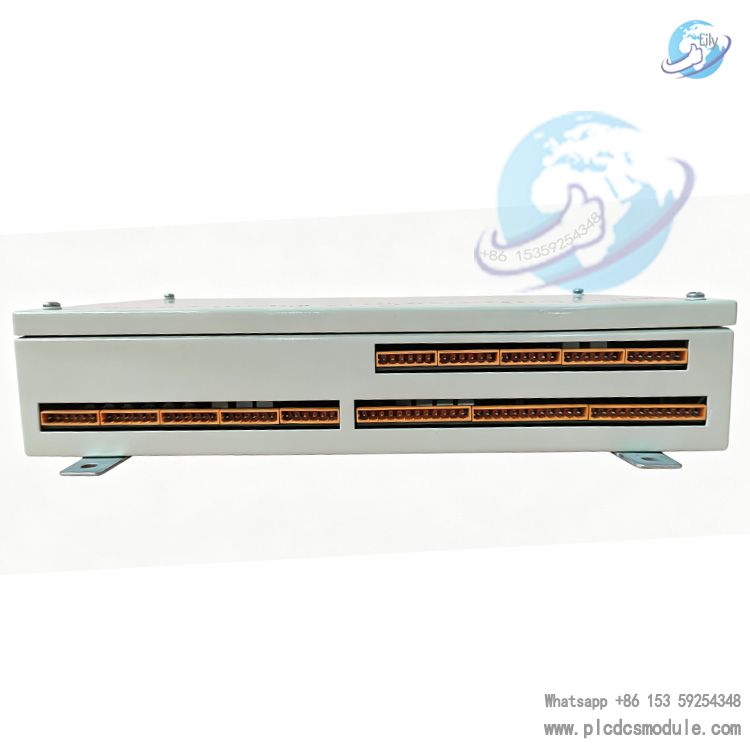
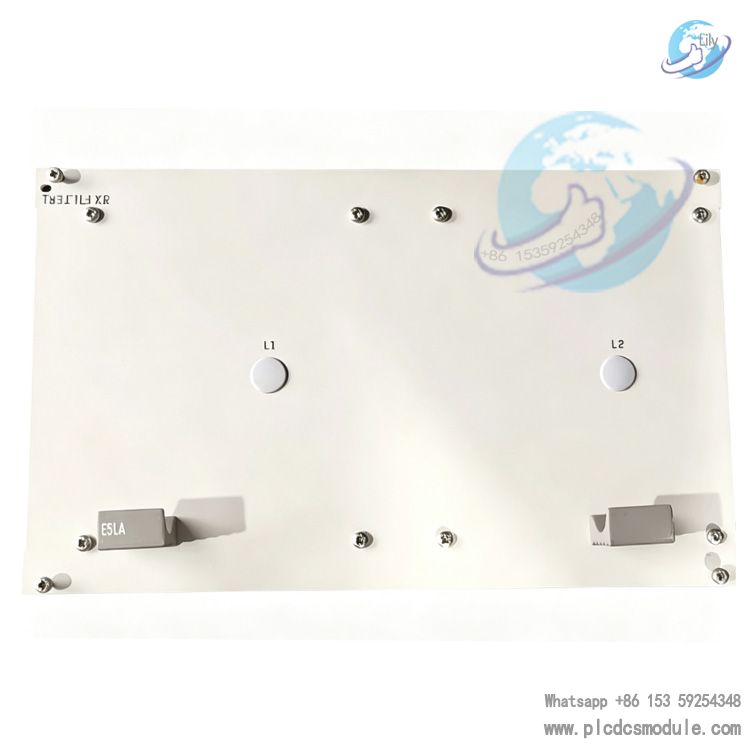
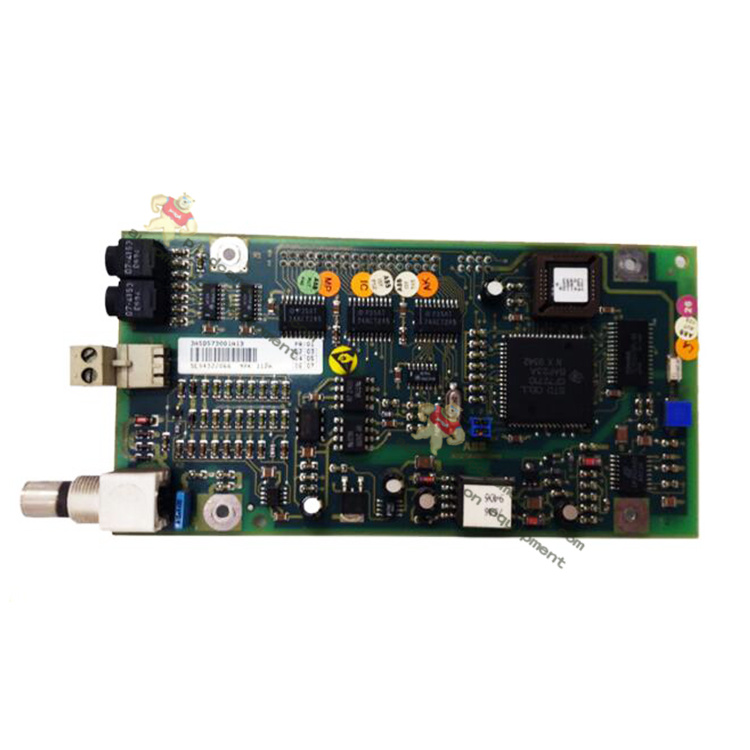
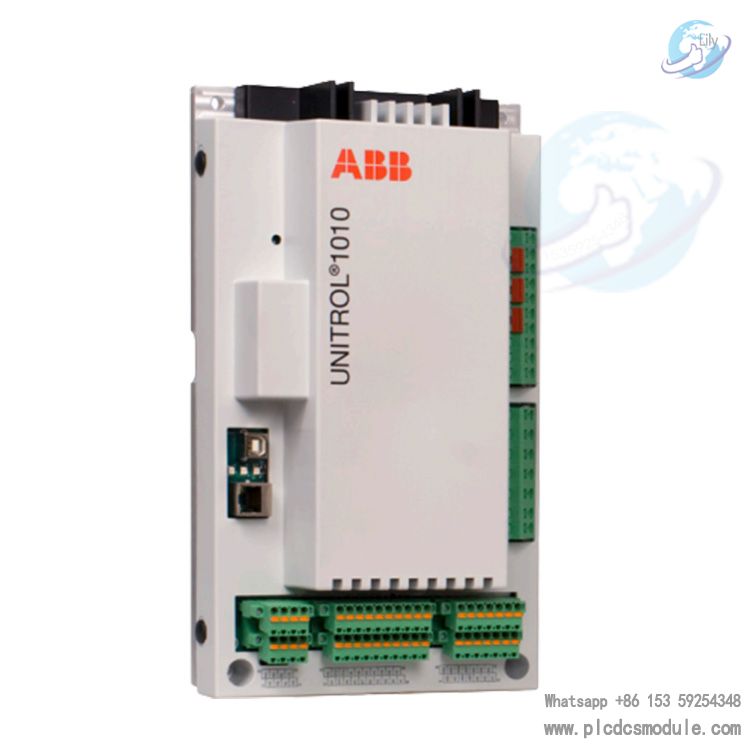
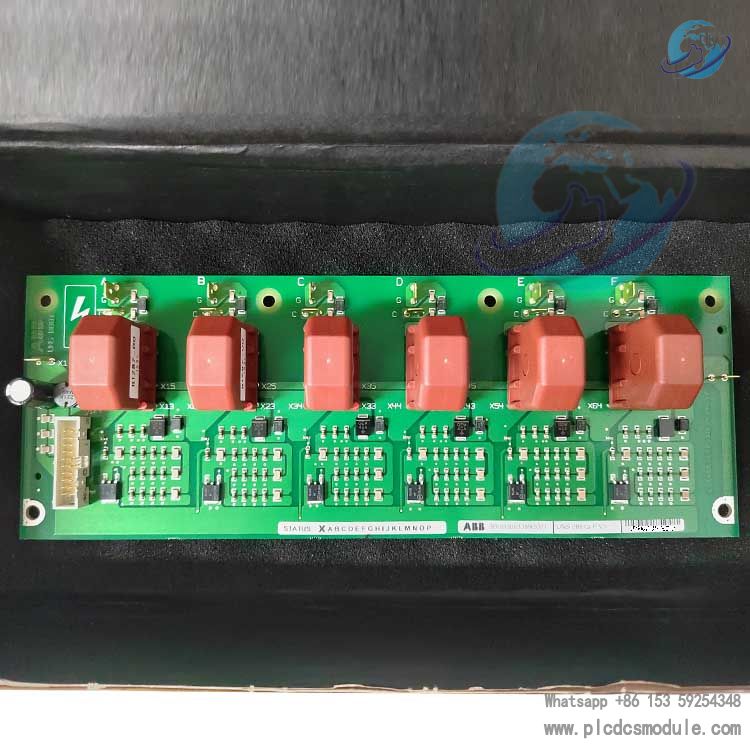
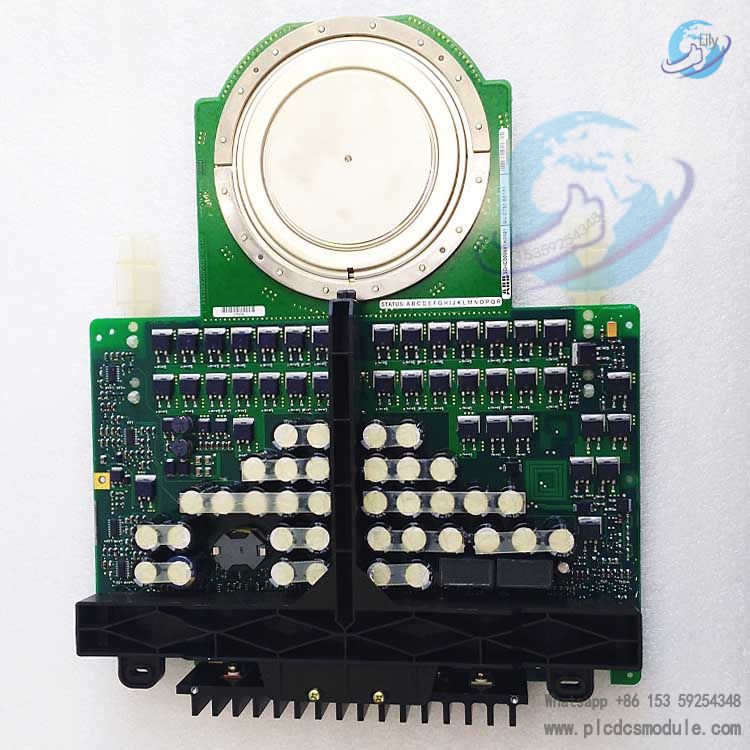
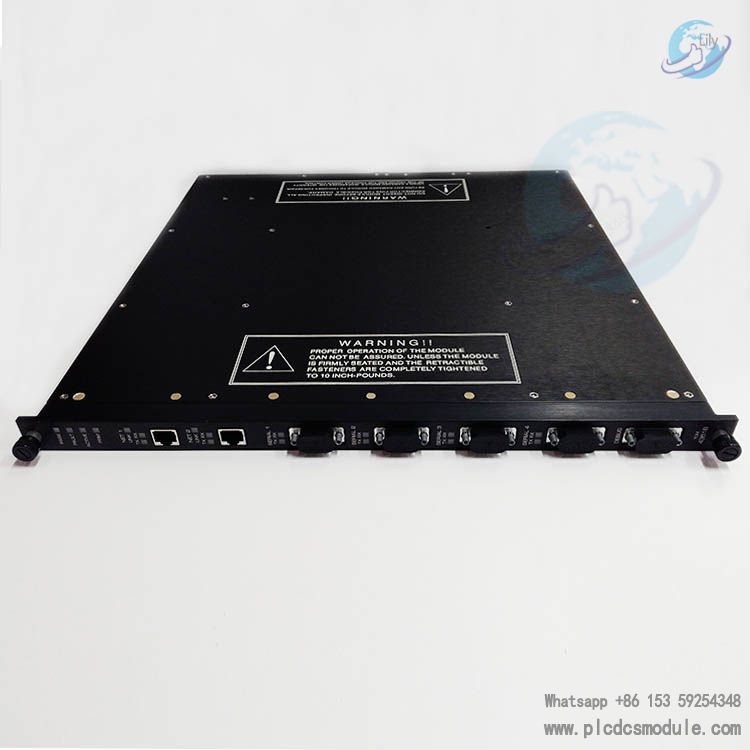
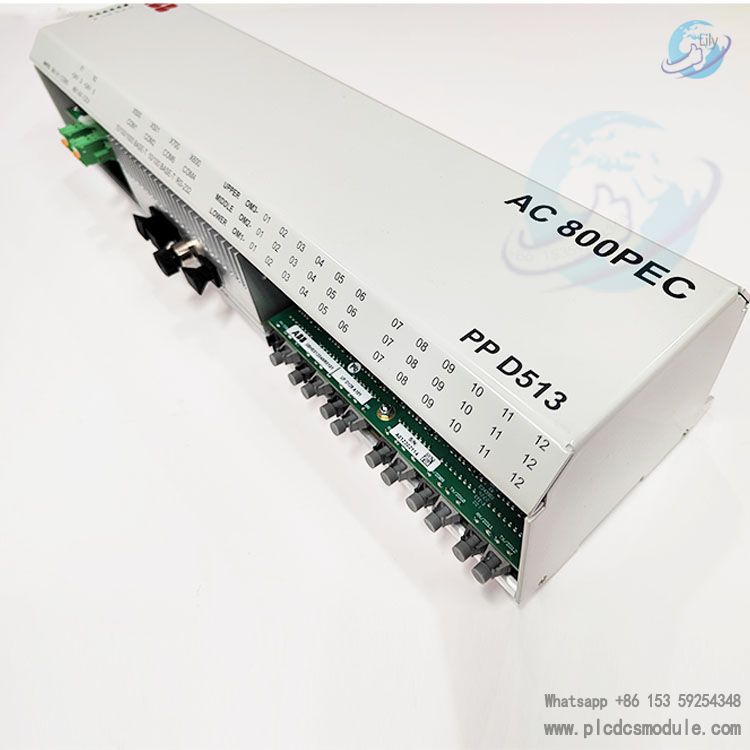
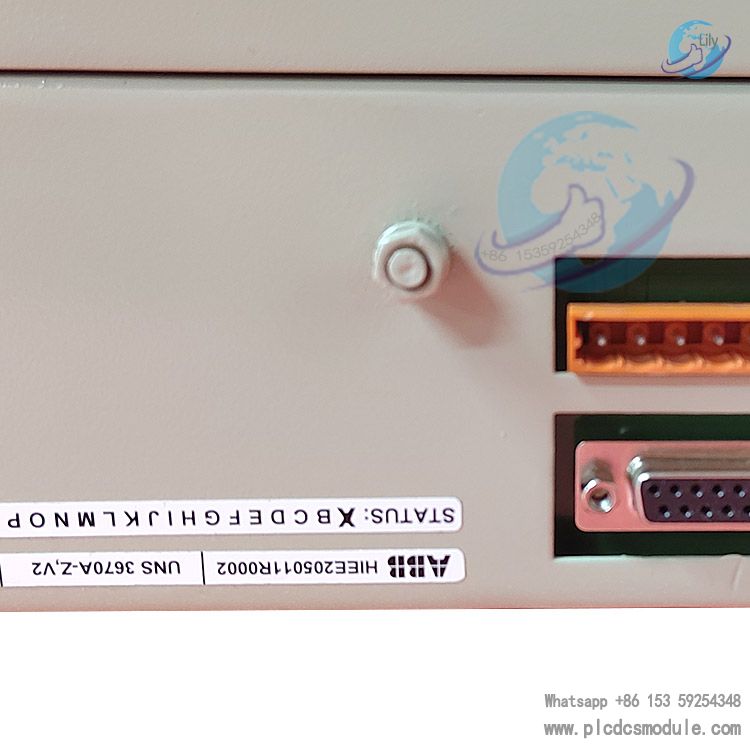
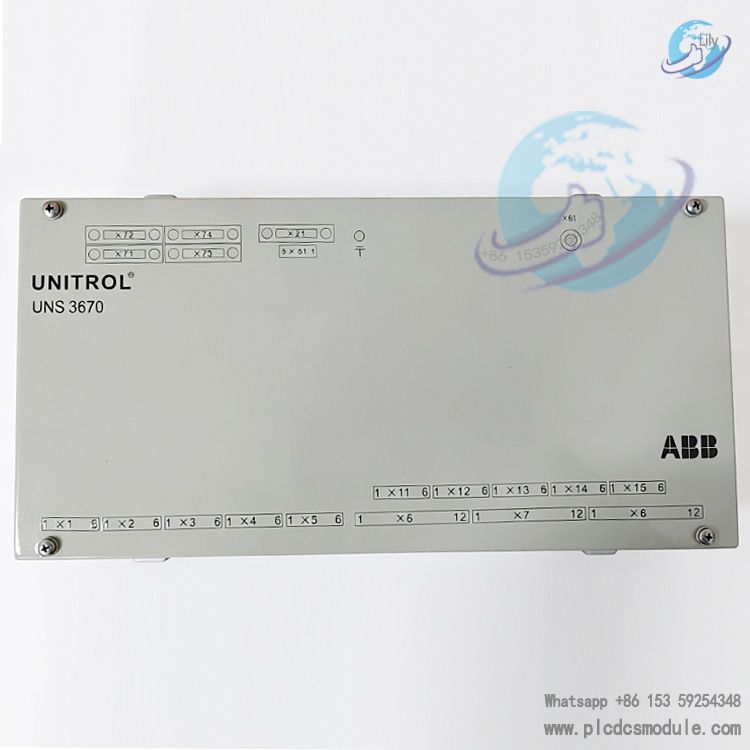
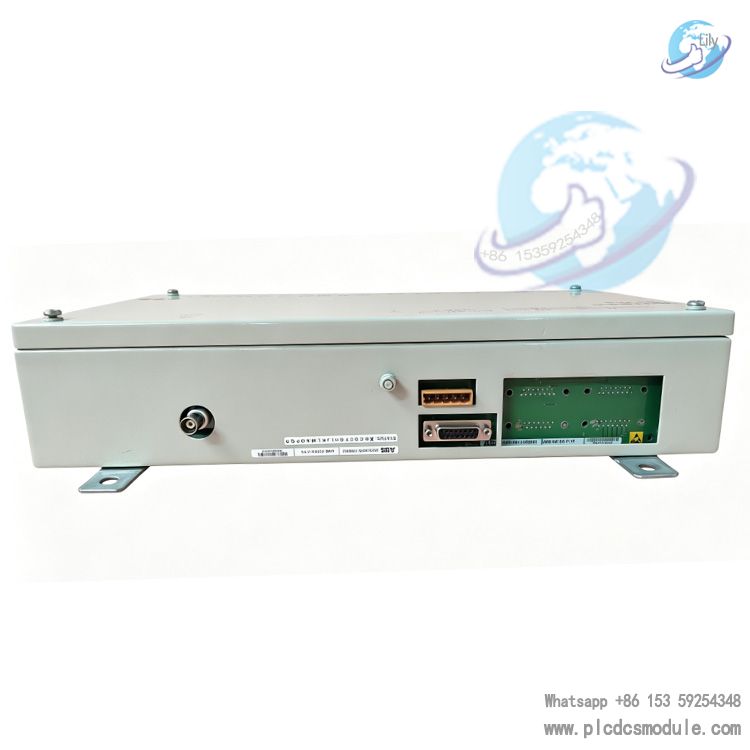
Note; All products on this site are special products, the market price has been fluctuating, the specific customer service offer shall prevail, because the product is a new product, the picture is not a real shot, please confirm with customer service before placing an order model and product, price and other details, the site used, new are for sale, please contact customer service communication. UNS3670A-Z,V2 (Order No. HIEE205011R0002) Converter Electronics is a core component of the ABB UNITROL series excitation system. It is mainly used for high-precision analog/digital signal conversion, control logic operation and system communication interaction.
Featuring an industrial-grade highly reliable hardware architecture, UNS3670A-Z,V2 integrates multi-channel signal acquisition, isolated conversion, real-time processing and communication interfaces. It adapts to harsh industrial electromagnetic environments, with characteristics of wide-temperature operation, strong anti-interference capability and long-term stable service life.This module can be seamlessly integrated into ABB DCS, PLC and various industrial control platforms, providing core conversion and control support for equipment control, process monitoring, signal conditioning and system linkage in power, energy, manufacturing and other industries. It ensures accurate signal transmission, timely control response and safe & stable operation of industrial systems.
Download
Technical Specifications
Model Designation: UNS3670A-Z,V2Order No. / Part No.: HIEE205011R0002Product Type: Converter Electronics
General
- Applicable System: ABB UNITROL 5000/6000 series excitation control system
- Power Supply: 24V DC (wide voltage compatible: 10–30V DC)
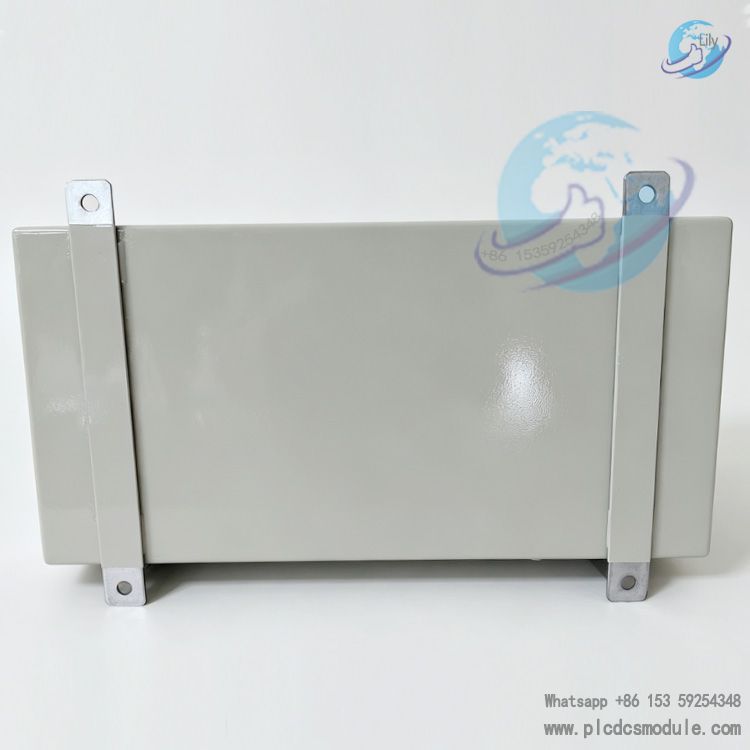
- Physical Dimensions: Standard card-type structure; approx. 480 × 82 × 180 mm
- Weight: Approx. 1.0 kg
Environmental Parameters
- Operating temperature: -20°C ~ +60°C
- Storage temperature: -40°C ~ +85°C
- Ingress protection: IP30
Signal & Interface
- Signal Channels: Multi-channel analog input/output, digital I/O; supports isolated conversion of voltage/current signals
- Communication Interfaces: Integrated RS485 and Ethernet; supports industrial protocols including Modbus RTU
- Conversion Accuracy: Analog signal conversion accuracy ≤ ±0.1% FS; sampling response time ≤ 1 ms
- Isolation Performance: Electrical isolation between channels ≥ 2.5 kV; EMC compliance with IEC 61000-4
- Certifications & Safety: CE, UL industrial safety certification; suitable for IEC 61508 SIL 2 functional safety level
Functional Features
Multi-Type Signal Conversion
Supports acquisition, amplification, isolation and conversion of standard industrial analog signals including 0–5V, 0–10V and 4–20mA, and is compatible with digital level signal I/O.Enables bidirectional high-precision conversion between analog and digital signals for signal matching with various sensors, actuators and control devices.
Real-Time Signal Processing
Built-in high-performance processor for real-time operations including signal filtering, linearization correction, scaling conversion and threshold judgment.Filters out interference noise in industrial environments to output clean and stable signals; supports custom conversion formulas and control logic configuration.
Electrical Isolation & Protection
Full-channel optoelectronic isolation and electromagnetic shielding design effectively block ground potential loops, surges and high-frequency interference.Protects the module and host system from external electrical faults, improving system anti-interference capability and operational stability.
Multi-Protocol Communication
Supports Modbus RTU, TCP/IP and other communication protocols for real-time data transmission with PLC, DCS, HMI and host monitoring systems.Enables remote configuration, status monitoring, fault uploading and control command issuing; supports multi-device networking and linkage.
Self-Diagnosis & Condition Monitoring
Built-in comprehensive self-test mechanism for real-time monitoring of channel status, supply voltage, communication links and hardware operating conditions.Triggers automatic alarms and records fault codes upon failure, supporting quick fault location and reducing maintenance difficulty.
Flexible Configuration & Adaptation
Supports customization of channel types, conversion parameters, control logic and communication addresses via ABB dedicated configuration software.Adapts to signal conversion requirements in different scenarios without hardware modifications, compatible with upgrade and expansion of multiple generations of ABB control systems.
Frequently Asked Questions (FAQ)
Q1: The indicator does not light up after power‑on, and the module fails to operate normally?
A1: First verify that the 24V DC supply voltage is within the valid range (10–30V DC) and that the power polarity is correct. Next check that power terminals are securely fastened and no open circuit exists in the power supply loop. If the power supply is normal but the module still shows no response, an internal power fault is likely present, and the unit should be returned for repair.
Q2: Excessive deviation in analog signal conversion and inaccurate measurement data?
A2: First inspect the signal input wiring for interference and ensure proper shielding and grounding. Next verify the accuracy of the signal source to rule out sensor faults. Then calibrate the module conversion parameters and perform accuracy calibration via the configuration software. If deviations remain out of tolerance after calibration, the channel hardware is defective and the module should be replaced.
Q3: Communication interface cannot connect to the host system, resulting in failed data transmission?
A3: Step 1: Confirm that communication parameters including protocol (Modbus RTU/TCP), station address, and baud rate match the host system. Step 2: Check communication cabling and correct grounding of the shield. Step 3: Test the communication interface using spare cables or alternative ports to isolate faults. If communication still fails with correct parameters and wiring, the communication module is defective.
Q4: How to handle frequent channel fault alarms from the module?
A4: First identify the faulty channel and check its wiring, signal type, and configuration match. Then inspect whether the external signal source is short‑circuited, open‑circuited, or over‑range. After eliminating external issues, restart the module to clear temporary faults. If alarms reoccur, the channel hardware is damaged; disable the faulty channel or replace the module.
Q5: Does the module support hot‑swapping? What precautions are required during replacement?
A5: This module does not support hot‑swapping under power. Always disconnect power and external signal connections before replacement. After installation, confirm the model is identical, rewire correctly, and verify parameter settings. Power on, perform self‑diagnosis and signal verification, and place the module into service only after normal operation is confirmed.
Q6: What industrial scenarios is the module suitable for? Can it replace older models?
A6: It is mainly used in ABB UNITROL excitation systems, power control, industrial automation, and process monitoring applications, serving industries including power generation, metallurgy, chemical engineering, and manufacturing.It can directly replace the earlier non‑V2 version of UNS3670A‑Z. Hardware and software are fully compatible, allowing system upgrade without modifications.
Customers who purchased this product are also browsing the following products:
UNS3670A-Z (non‑V2 version) — Converter Electronics
UN 0711 b-P — UNITROL Control Module
UN 0084 b-P — Diode Module
UNS0017a-P (HIEE305106R0001) — Trigger Unit
UNS2881b-P,V1 (3BHE022212R0003) — MUB Measuring Unit Board
UN 0810b-P (HIER460262R0002) — AVR Automatic Voltage Regulator
UN 0821b-P (HIER460356R0002) — Active / Reactive Power Measurement Module
KS D211 B (3BHE022455R1101) — Series Coupling Capacitor Board
3BHE008128R0001 — CAP Communication Adapter Card