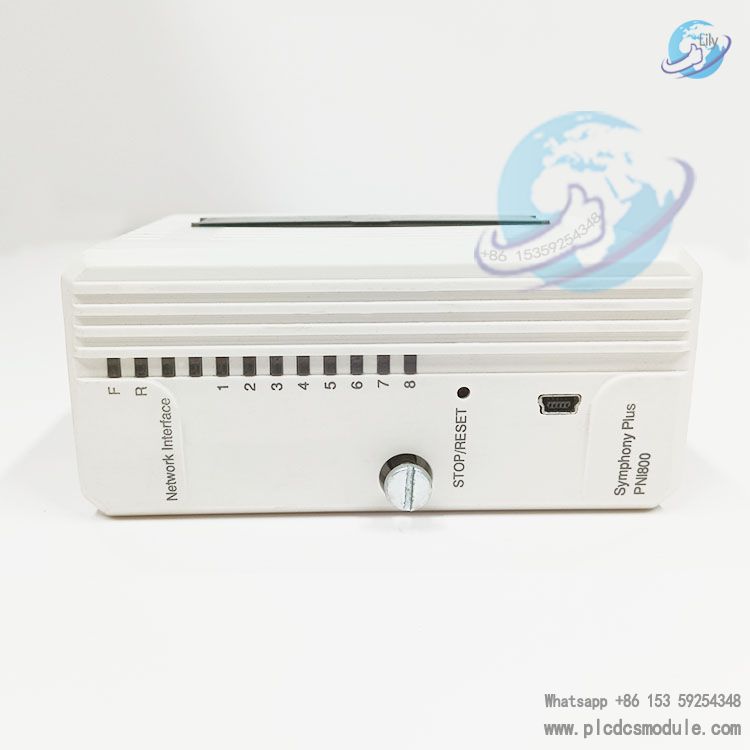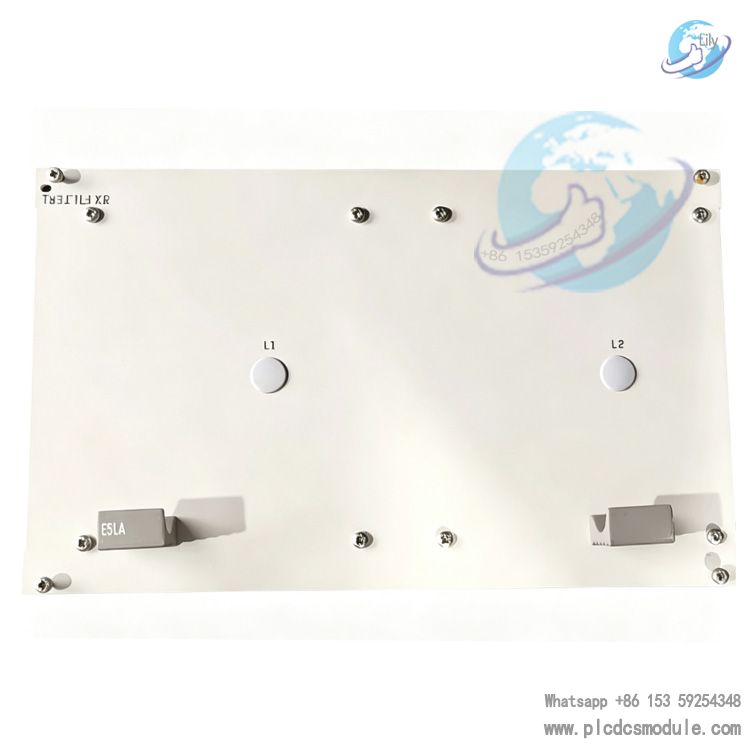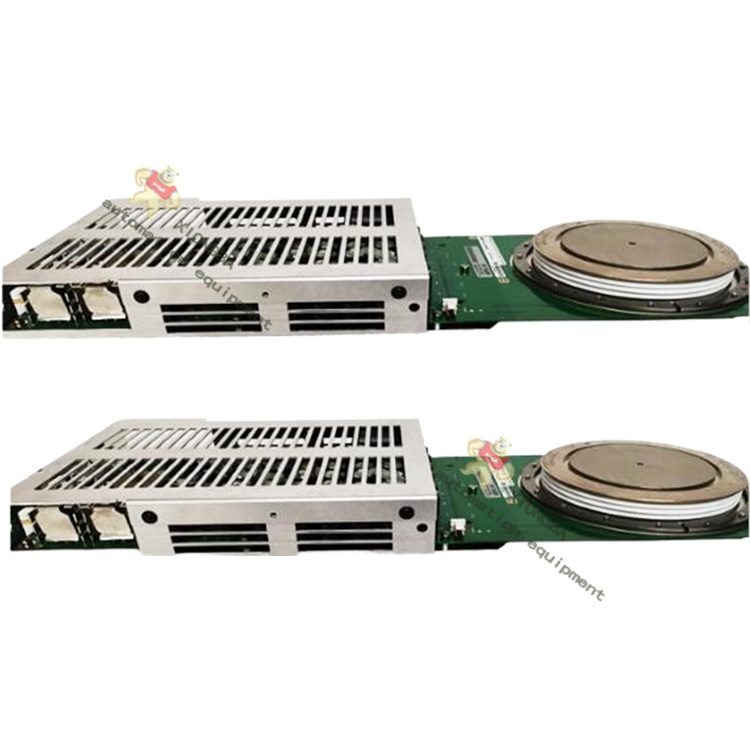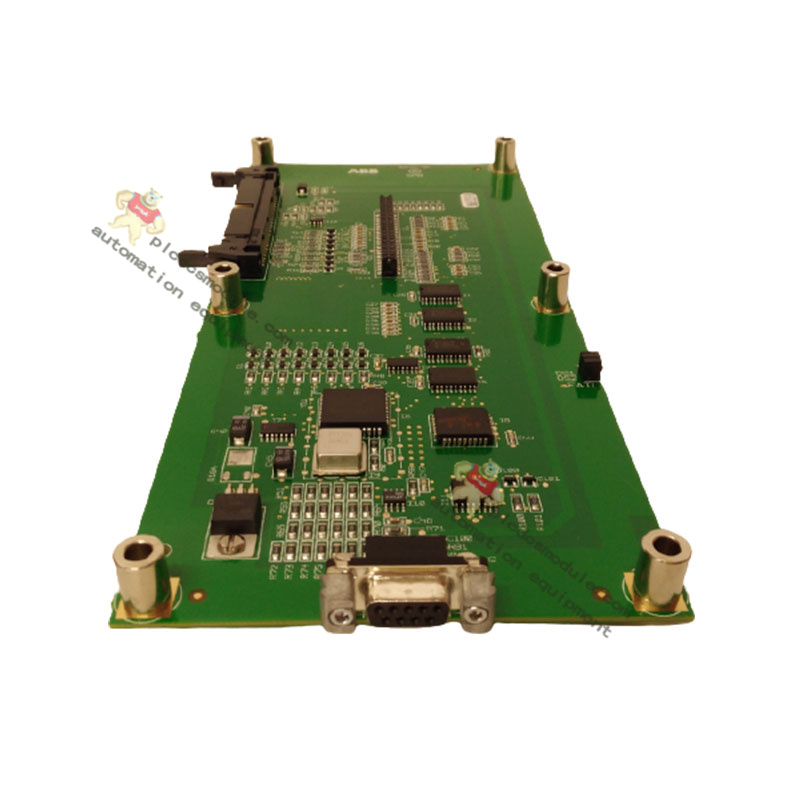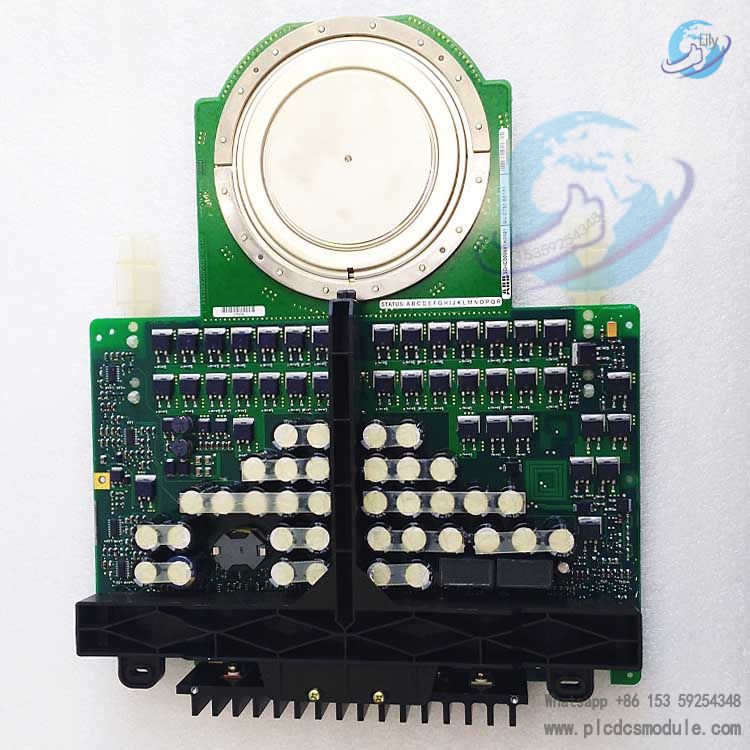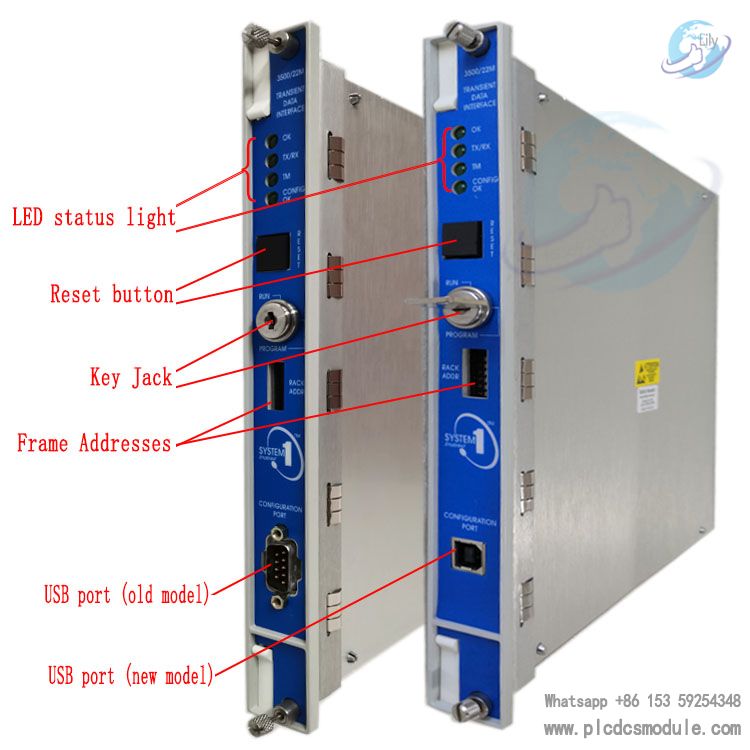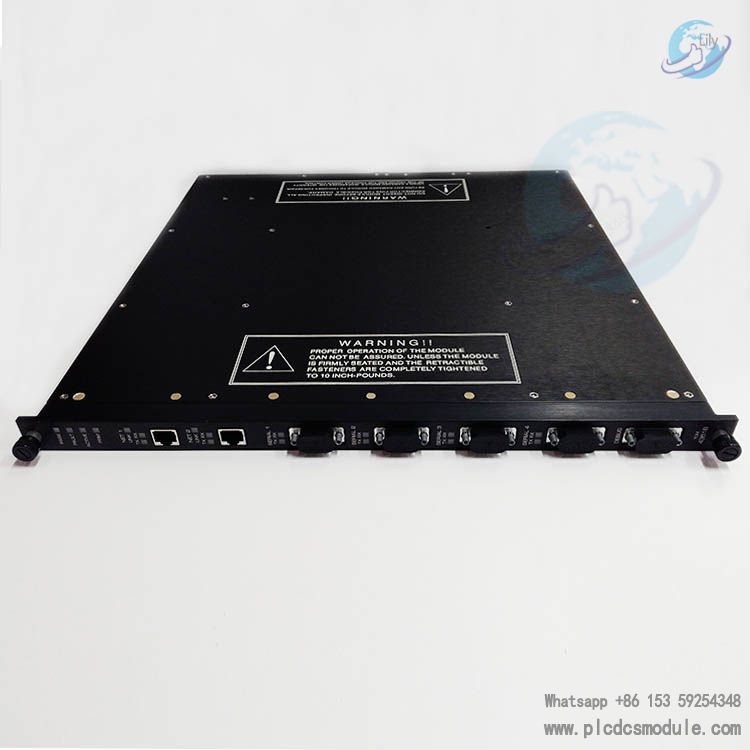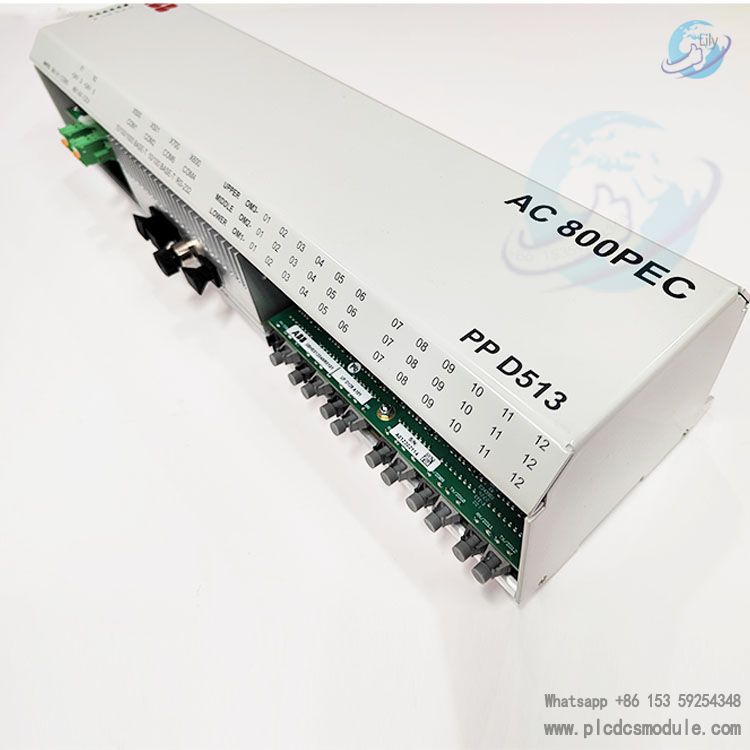


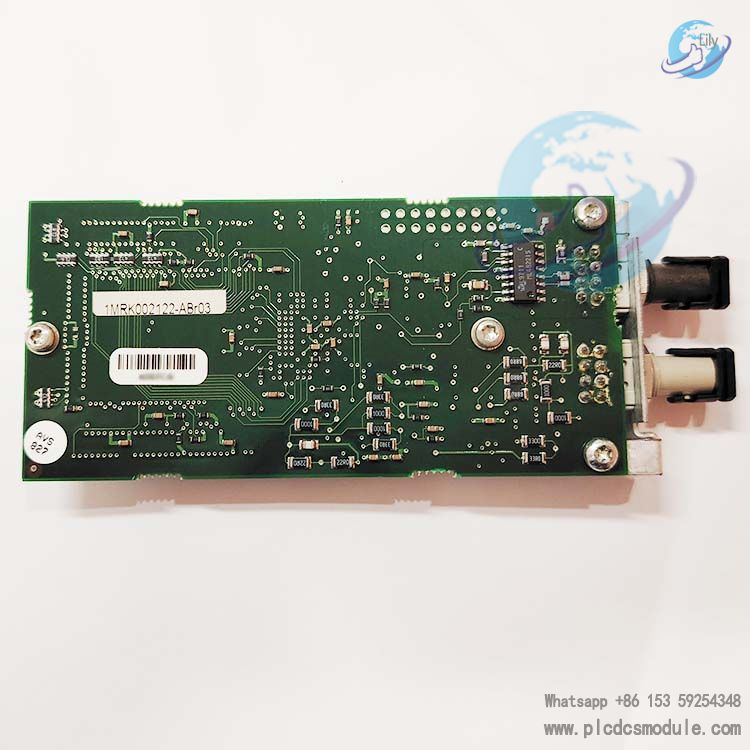
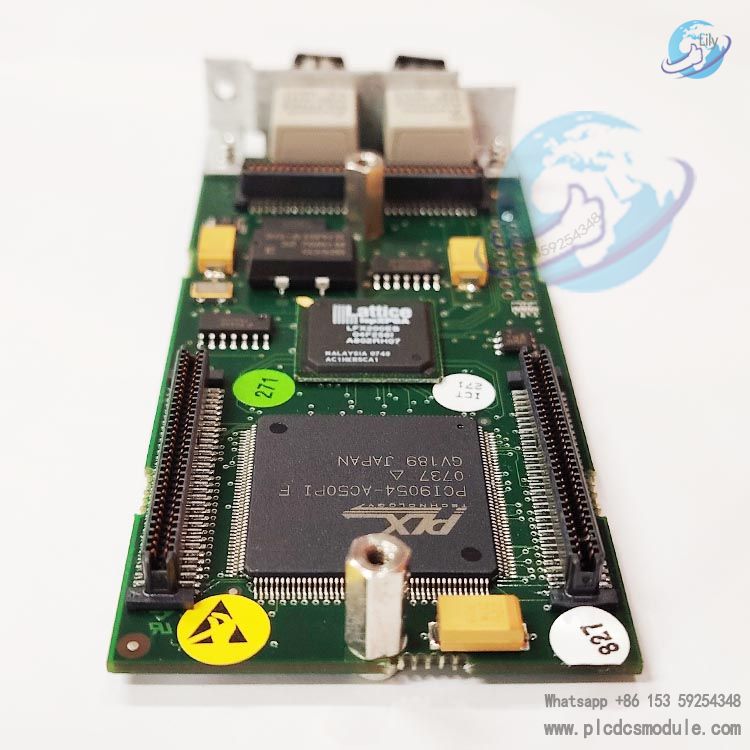
ABB 1MRK002122-ABr03 is a high-performance optical fiber short-haul / long-haul data communication module designed specifically for industrial automation and power systems. As part of the ABB Relion series protection and control equipment ecosystem, its core function is to provide highly reliable, strong electromagnetic interference-resistant local and remote data transmission, signal isolation and protocol conversion capabilities for distributed control systems, ensuring stable interconnection of control networks in highly interfered industrial scenarios such as substations, power plants, oil and gas, and metallurgy.
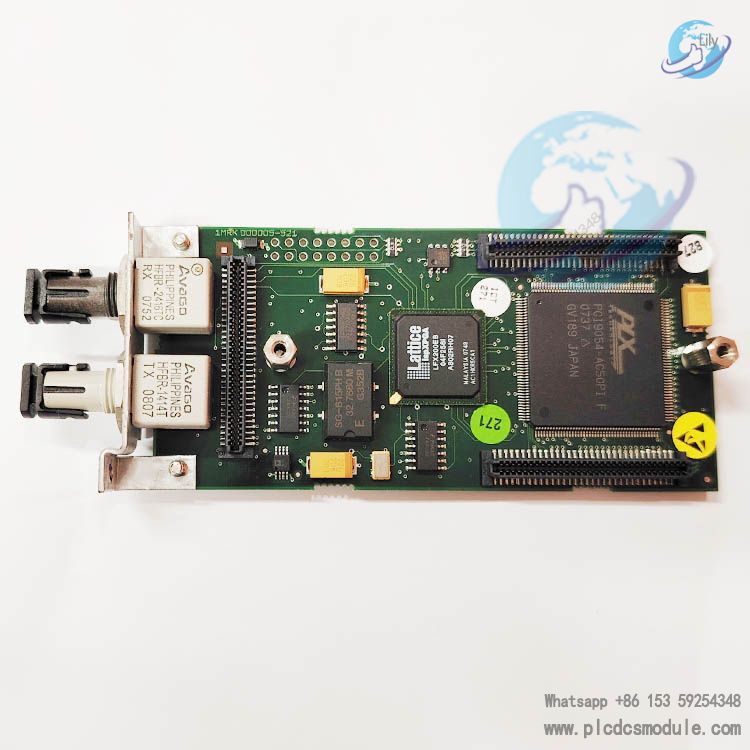
Functions & Positioning
Communication Hub: As the local communication interface of the system, it enables high-speed data exchange between the control host, remote I/O units, intelligent sensors and actuators.
Optoelectronic Conversion: Converts electrical signals into optical signals for transmission, completely isolating ground potential differences and electromagnetic interference (EMI), eliminating signal distortion and system faults.
Protocol Adaptation: Supports various mainstream industrial bus protocols, breaking down communication barriers between different devices and systems.
Signal Isolation: Full-channel electrical isolation protects the core control unit from electrical faults such as surges and short circuits on site.
Technical Specifications
1. Physical Specifications
- Dimensions: 74 mm × 370 mm × 361 mm
- Weight: Approx. 0.3 kg
- Mounting: Standard DIN rail mounting
- Ingress Protection: IP20 (for cabinet installation)
- Operating Temperature: -20°C to +60°C
2. Electrical Characteristics
- Supply Voltage: 24 V DC (nominal)
- Power Consumption: < 2 W (low-power energy-saving design)
- Signal Isolation: Galvanic isolation between channels, isolation voltage > 2.5 kV
3. Communication Interface & Protocols
- Optical Fiber Interface: Single-mode fiber, 1550 nm wavelength, supports long-haul / short-haul transmission
- Electrical Interface: RS-485 / RS-232 compatible
- Supported Protocols: Modbus RTU, PROFIBUS DP, CANopen
- Transmission Rate: Up to 50 kHz output frequency
- Transmission Distance: Up to several kilometers in fiber mode (depending on fiber type)
4. Functional Features
- Data Forwarding: Transparent transmission of control commands and process data
- Signal Conditioning: Shaping, amplification and filtering of analog / digital signals
- Fault Diagnosis: Built-in link status monitoring, signal loss alarm and fault reporting
- Hot-Swappable: Supports online replacement without system interruption
Key Advantages
- Superior Anti-Interference Performance: Fiber optic communication completely isolates strong electromagnetic interference, lightning and ground potential differences on industrial sites, ensuring zero data bit errors.
- High Compatibility: Fully compatible with ABB and third-party PLCs and DCS systems, plug-and-play, reducing integration costs.
- Industrial-Grade Reliability: Wide temperature range, low power consumption, long MTBF (Mean Time Between Failures), suitable for 24/7 continuous operation.
- Flexible Deployment: Modular design supports networking in local cabinets as well as connection to remote field units with flexible topology.
- Easy Maintenance: Clear status indicators and remote diagnosis support for simple maintenance and short downtime.
Application Areas
- Power Systems: Substation automation, communication between relay protection devices, distribution network monitoring
- Process Industries: Distributed I/O systems for petrochemical, metallurgy, paper making and water treatment
- Rail Transit: High-speed rail / metro signaling systems, traction converter control networks
- Energy & Infrastructure: Wind / photovoltaic power stations, large-scale building automation, data center power distribution monitoring
Frequently Asked Questions (FAQ)
Q1: Is 1MRK002122-ABr03 a fiber-optic module or an electrical port module?A: It is an optical-electrical hybrid communication module. The core transmission uses optical fiber for anti-interference performance, while it also provides electrical interfaces such as RS-485 for connecting local devices. Its main function is to convert and repeat electrical and optical signals.
Q2: Does this module support connection with non-ABB PLCs?A: Yes. As it supports common industrial protocols including Modbus RTU and PROFIBUS DP, it can be seamlessly connected to mainstream PLC systems from Siemens, Schneider, Rockwell and other manufacturers.
Q3: What is the maximum transmission distance for fiber-optic communication?A: With standard single-mode fiber (1550 nm), the reliable transmission distance can reach 5–10 km; for multimode fiber it is approximately 2 km, depending on fiber quality and environment.
Q4: How to troubleshoot a “Loss of Signal” (LOS) alarm on the module?A:
- Check if the fiber connectors are clean and securely inserted;
- Verify that the transmit and receive fibers are not reversed (TX-RX cross connection);
- Test whether the fiber link is broken;
- Confirm that the peer device is powered on and operating normally.
Q5: What is the difference between 1MRK002122-ABr03 and other series models such as ABr02 and ABr05?A: ABr03 is a Fiber Line Data Communication Module (LDCM) focusing on data transmission. Models such as ABr02/05 are mostly I/O or control modules, specializing in digital/analog signal acquisition and output, with different functional positioning.
Q6: Is special software required for configuration?A: Basic communication requires no software; protocols, baud rates and addresses can be set via hardware DIP switches. Advanced diagnostics and parameter configuration can be performed using ABB’s PCM600 engineering tool.
Q7: The module has very low power consumption during operation (<2W). Does this affect performance?A: No. Low power consumption is the result of ABB’s optimized design. It ensures high-speed and full isolation performance while significantly reducing heat dissipation and energy consumption, improving long-term stability.
Q8: Does the module support redundant configuration?A: It is designed as a single-channel module, but it can cooperate with the system redundancy architecture to achieve communication link redundancy through dual-module hot standby, improving system availability.