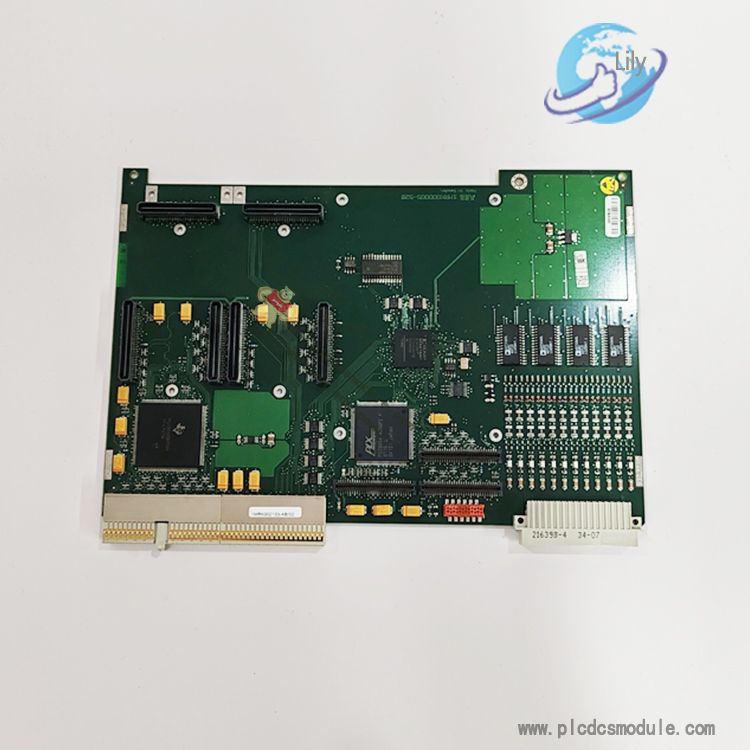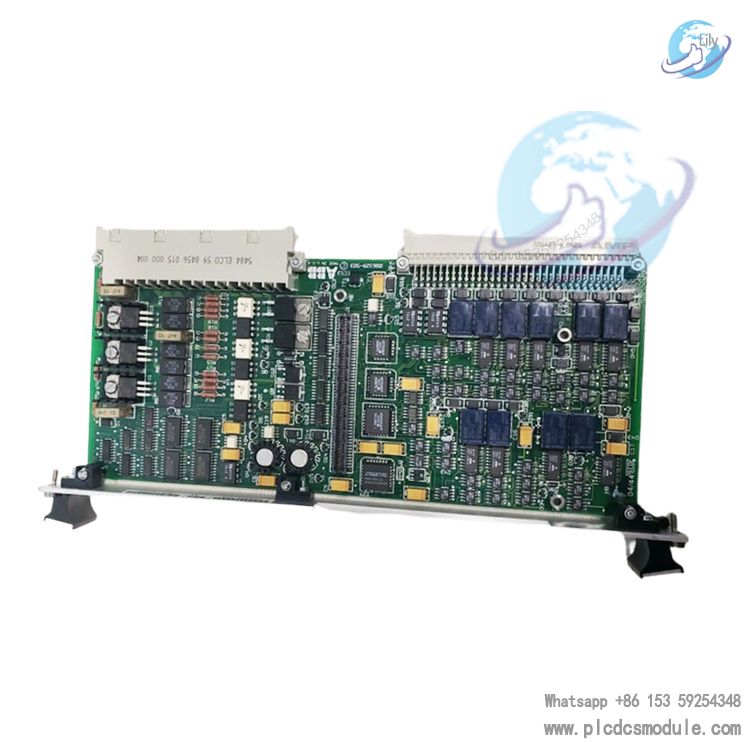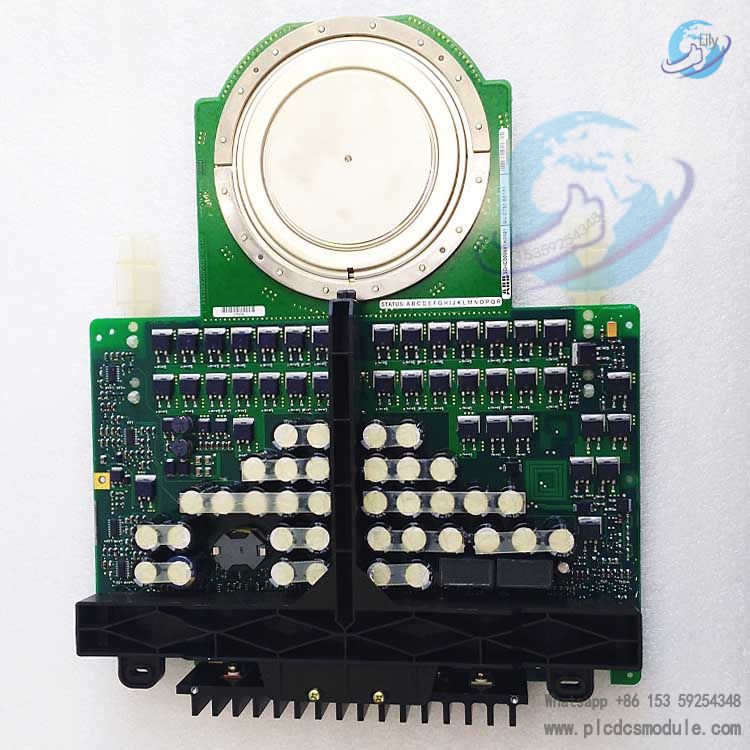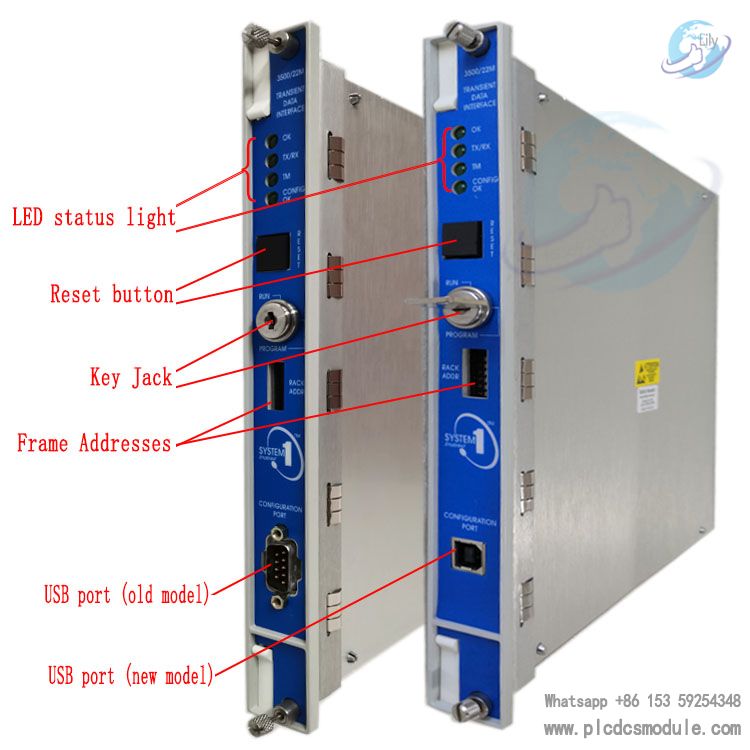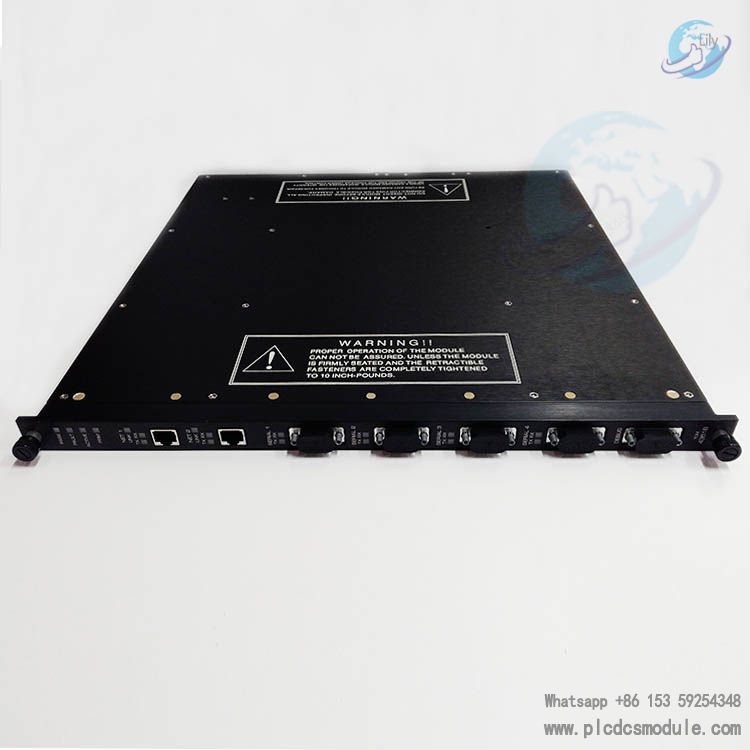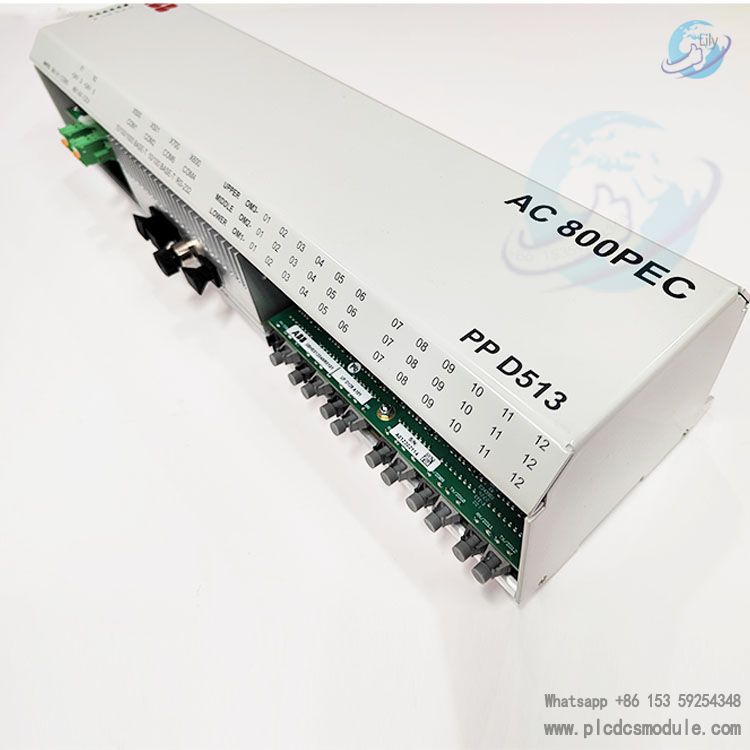


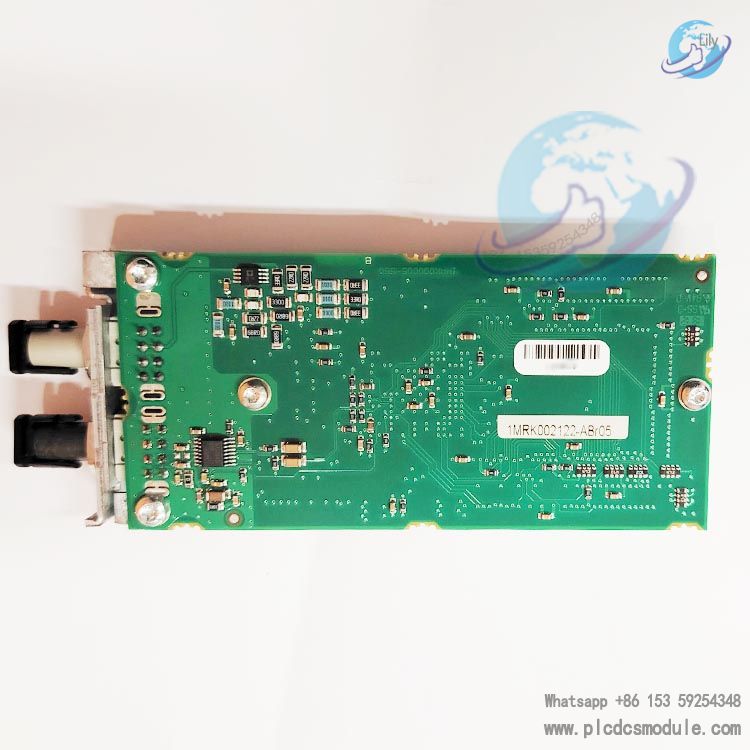
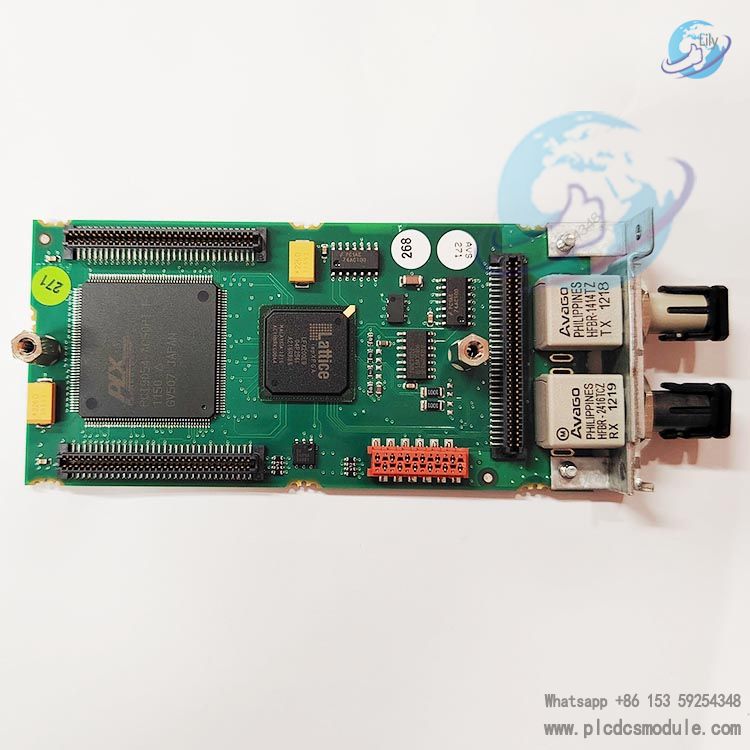
1MRK002122-ABr05 is a high-performance communication interface board developed by ABB for power system protection, monitoring and control equipment. As a core communication component in the 1MRK series, it is mainly designed for the REF54_ series feeder and transformer protection devices.
It undertakes protocol conversion, data exchange and communication link management between protection devices and upper-level SCADA, PLC and various industrial control systems. With high stability, strong anti-interference capability and multi-protocol compatibility, it meets the real-time data transmission requirements in harsh industrial environments such as substations and industrial power grids.
Basic Information
Model: 1MRK002122-ABr05Product Type: Communication Board / Local Communication ModuleCompatible Hosts: ABB REF54_ series feeder protection, transformer protection and measurement devicesProduct Series: The same series includes versions such as 1MRK002122-ABr00/01/03/08/13, among which ABr05 is a version configured for dedicated communication functionsOrigin: Sweden
Technical Specifications
Electrical Characteristics
Power Supply: Powered by the host backplane, 24VDC/48VDC, no external power supply requiredPower Consumption: ≤5W, low-power design suitable for long-term stable operationEMC: Compliant with IEC 61000 series standards, with strong electromagnetic interference immunity
Communication Interface & Protocols
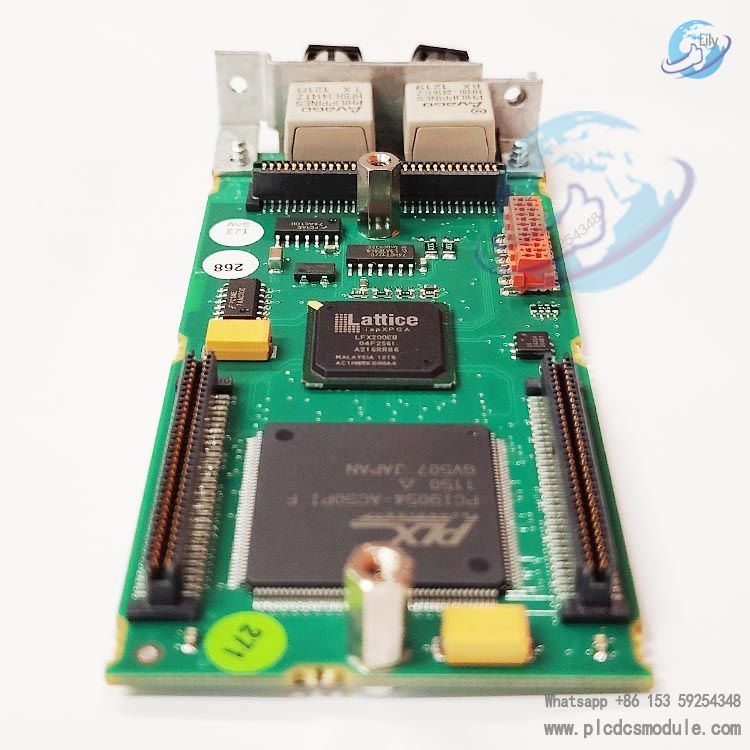
Physical Interface: RS-485 (device-level communication), optional optical fiber interface (for long-distance / high-interference environments)Supported Protocols: SPA bus, IEC 60870-5-103, Modbus RTU/TCP, DNP3.0, IEC 61850Communication Speed: RS-485 supports adaptive rate from 9.6kbps to 12Mbps; optical fiber supports 100Mbps high-speed transmissionTransmission Distance: Max. 100m for RS-485 twisted pair; max. 2km for multimode optical fiber
Functions & Performance
Channel Configuration: 8 configurable I/O channels, supporting digital signal and partial analog signal processingData Processing: High-precision signal acquisition, protocol conversion, data encapsulation and verificationDiagnostic Functions: Built-in communication link diagnosis, fault alarm and status monitoring
Physical & Environmental Characteristics
Dimensions: Compact card design, suitable for internal host backplane (reference for the same series: approx. 120mm×80mm×30mm)Weight: Approx. 0.25kgOperating Temperature: -20℃ ~ +70℃Storage Temperature: -40℃ ~ +85℃Ingress Protection: IP20 (for internal host installation, dustproof and touch-proof)Installation: Direct plug-in to backplane slots, tool-free quick installation and removal
Functional Advantages
- Seamless Multi-Protocol Compatibility: Covers mainstream communication protocols in the power industry, enabling direct connection to various industrial control systems without additional gateways, reducing system integration costs.
- High-Reliability Industrial-Grade Design: Wide operating temperature range, low power consumption, and strong anti-interference performance, suitable for harsh industrial environments such as power, metallurgy, petrochemical and other fields. Its Mean Time Between Failures (MTBF) meets high-reliability standards for power systems.
- Plug-and-Play & Easy Maintenance: Custom-designed for the REF54_ series with a compact card structure. Supports hot-swapping (depending on host models), allowing replacement without system shutdown for high maintenance efficiency.
- High-Speed & Stable Data Transmission: Transmits protection action signals, measurement data, and fault recording information in real time with low latency and packet loss rate < 0.1%, ensuring coordinated response between protection and monitoring systems.
- Comprehensive Diagnosis & Alarm: Monitors communication status in real time and outputs alarm signals quickly upon faults, facilitating operation and maintenance personnel to locate and troubleshoot issues efficiently.
Application Scenarios
- Substation Automation Systems: Data exchange between protection devices and the station-level SCADA system.
- Industrial Power Grid Monitoring & Control: Communication between transformer / feeder protection devices and PLC/DCS systems.
- Remote Monitoring of Power Equipment: Enables remote parameter configuration, fault diagnosis, and data acquisition for protection devices.
- Smart Grid Upgrades: Supports integration of traditional protection devices into smart grid communication architectures.
Frequently Asked Questions (FAQ)
Q1: Can 1MRK002122-ABr05 directly replace other versions in the same series such as ABr00/03?A1: Direct interchange is not possible. Versions with different suffixes (ABr00/03/05/08) are configured for different functions (e.g., differences in interface type, protocol support, and channel count). ABr05 is a version tailored for a specific combination of communication protocols. Before replacement, confirm the host model, communication requirements, and functional compatibility. It is recommended to refer to the official ABB selection manual.
Q2: Does this communication board support communication with non-ABB PLC/SCADA systems?A2: Yes. As it supports common industrial and power protocols including Modbus RTU/TCP, IEC 60870-5-103, and DNP3.0, it can connect seamlessly with mainstream industrial control systems from Siemens, Schneider, Rockwell, and other brands, requiring only configuration of corresponding protocol parameters.
Q3: Is additional power supply or wiring required during installation?A3: No. The board is powered via the host backplane. Simply insert it into the corresponding slot of the REF54_ series host; power and data connections are established through the backplane. Only external RS-485 or optical fiber communication cables to the upper-level system are needed.
Q4: How to quickly troubleshoot communication failures?A4: ① Check the status indicators on the board (steady on/flashing for normal, off/alarm for fault); ② Verify configuration parameters such as communication protocol, baud rate, and address; ③ Inspect communication cables (RS-485 polarity, fiber continuity); ④ Restart the board or host. If the problem persists, replace it with an identical board to verify a hardware fault.
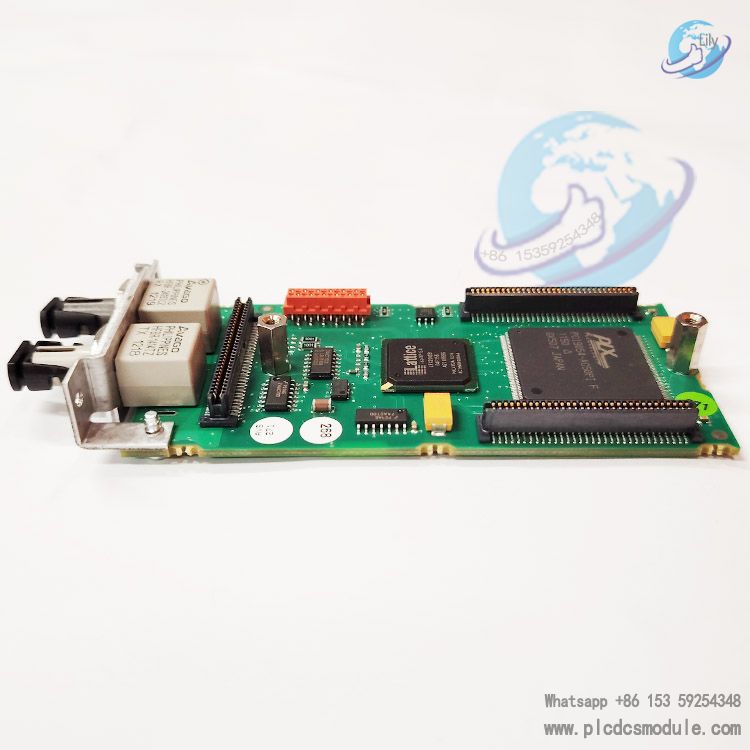
Q5: Does this board support optical fiber transmission?A5: The ABr05 version can be optionally equipped with a fiber interface (subject to hardware configuration). The fiber interface provides strong anti-interference performance, suitable for long-distance, high-electromagnetic-interference scenarios in substations, with a transmission distance of up to 2 km.
Q6: What is the applicable operating temperature range?A6: The standard operating temperature range is -20℃ ~ +70℃, suitable for most industrial sites and outdoor substations (non-extreme cold/heat areas). Temperature control measures are required for extreme environments.