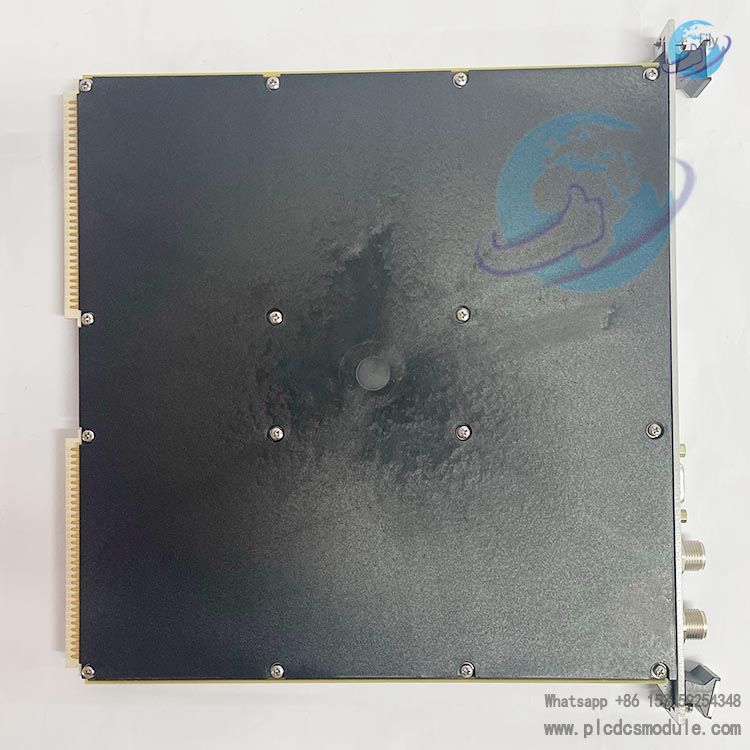
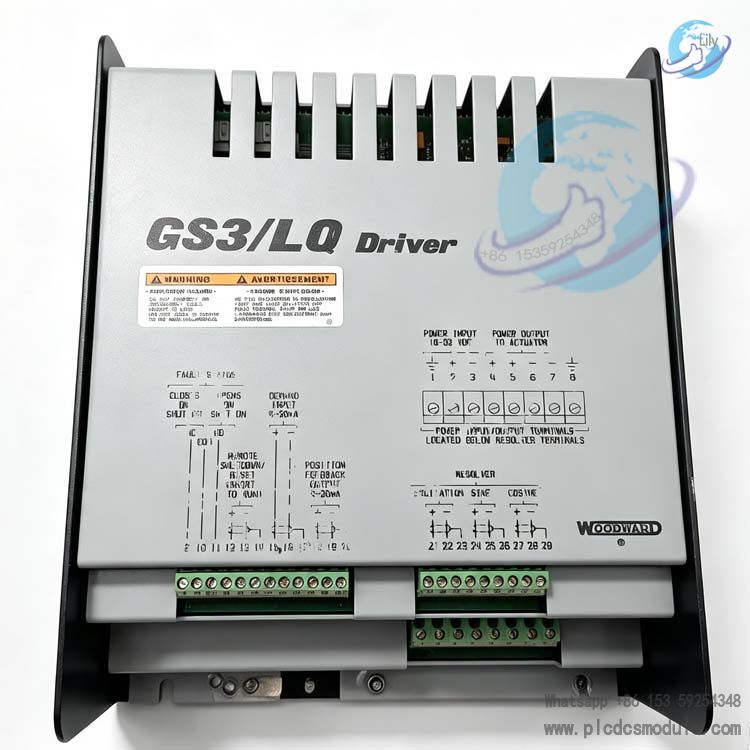
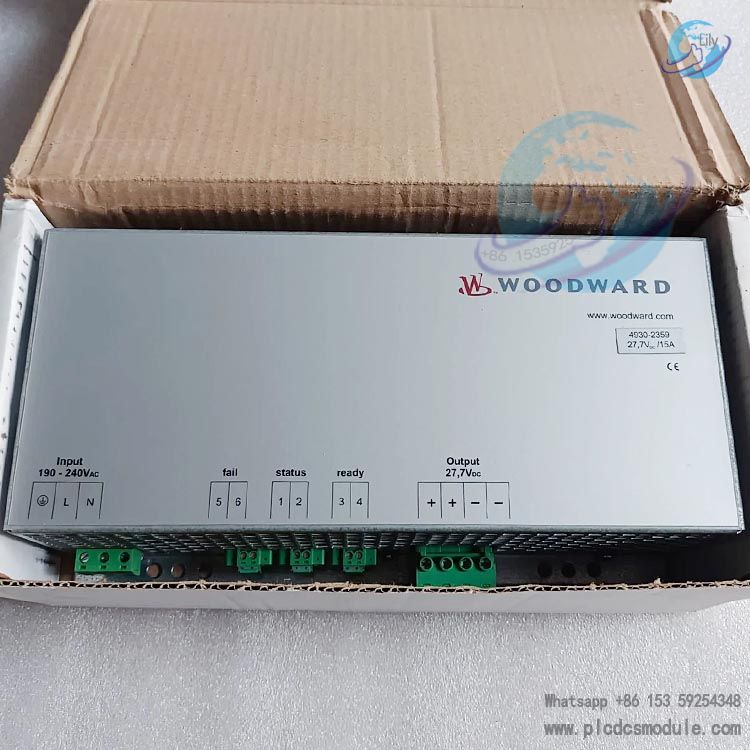
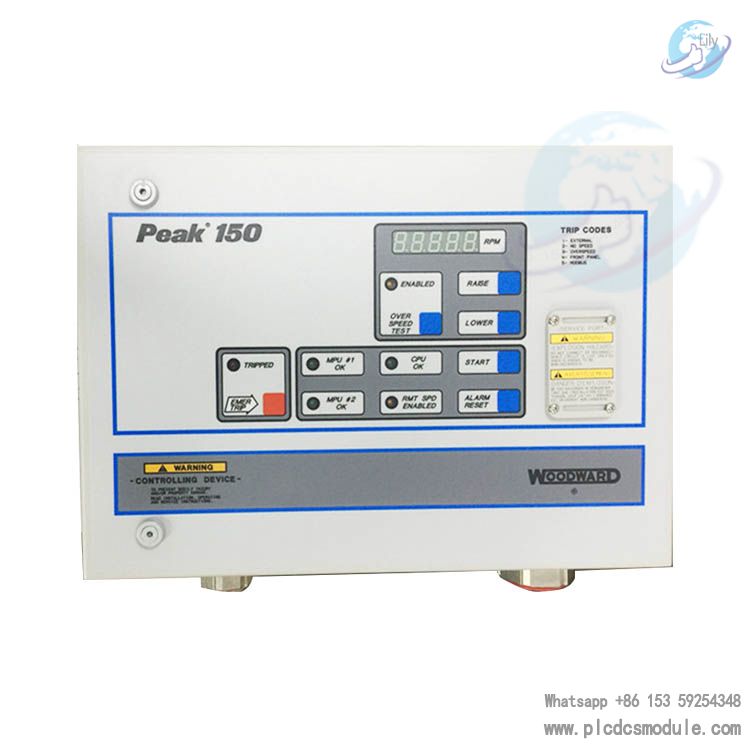
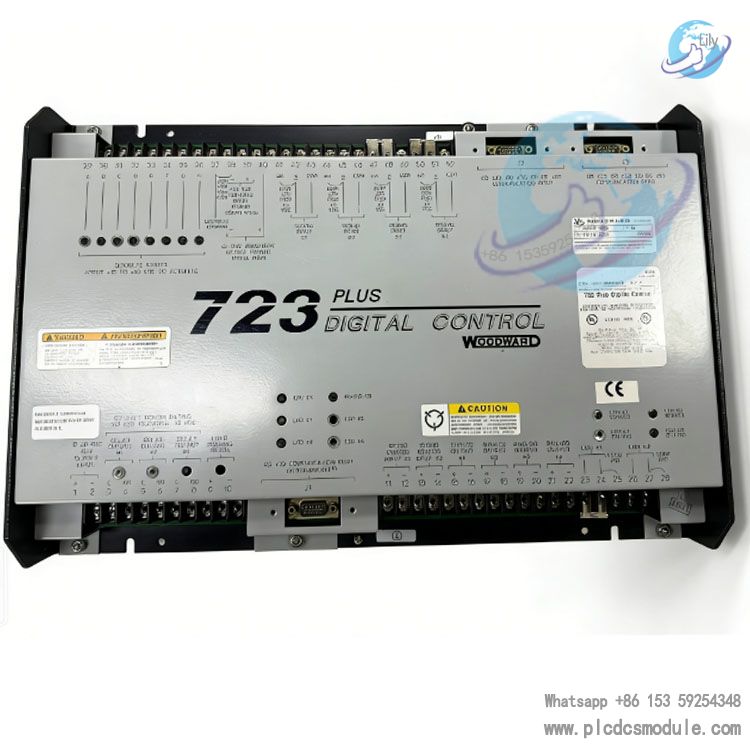
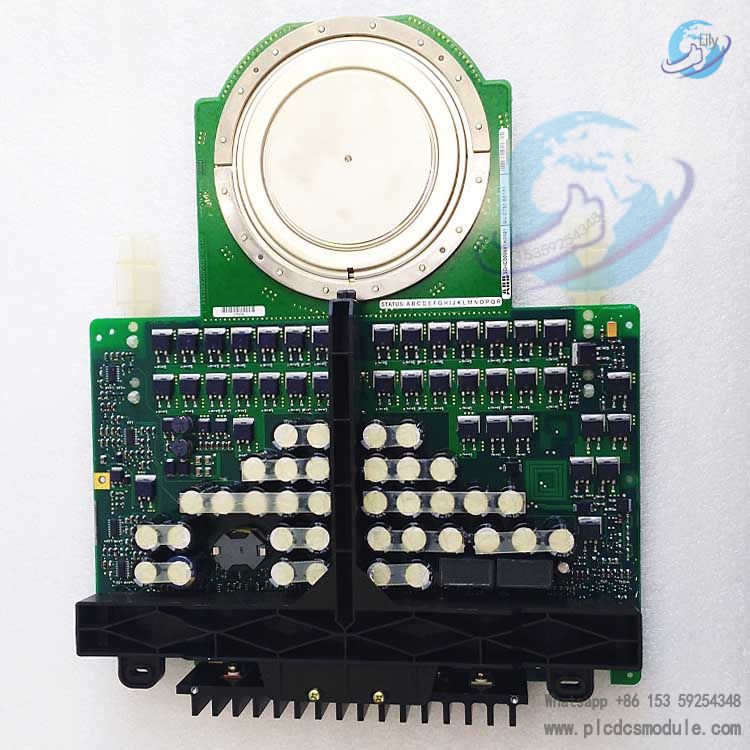
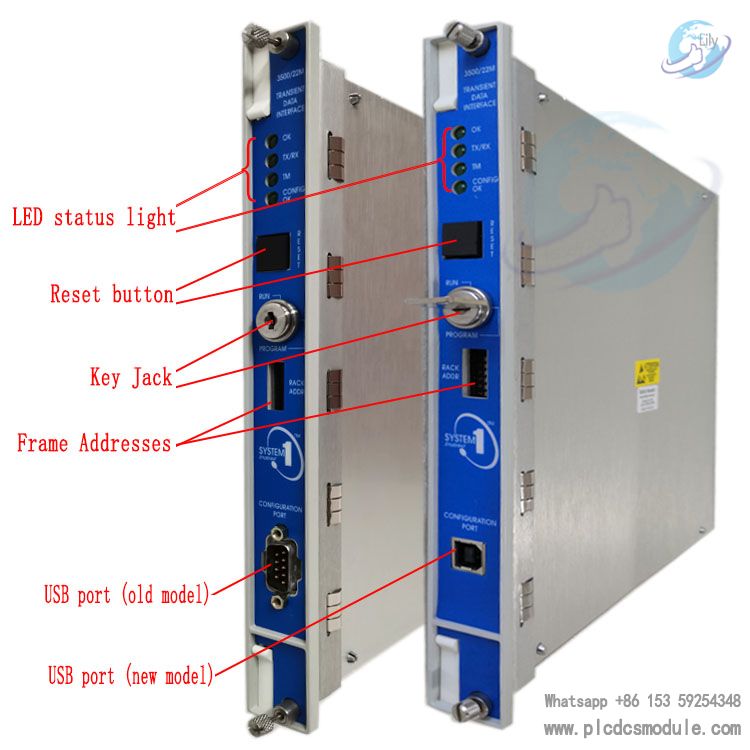
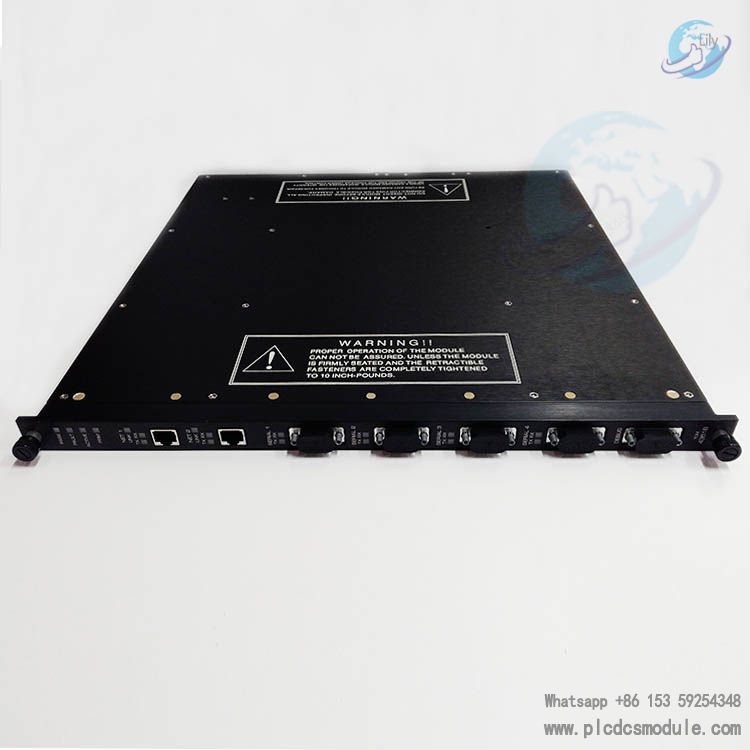
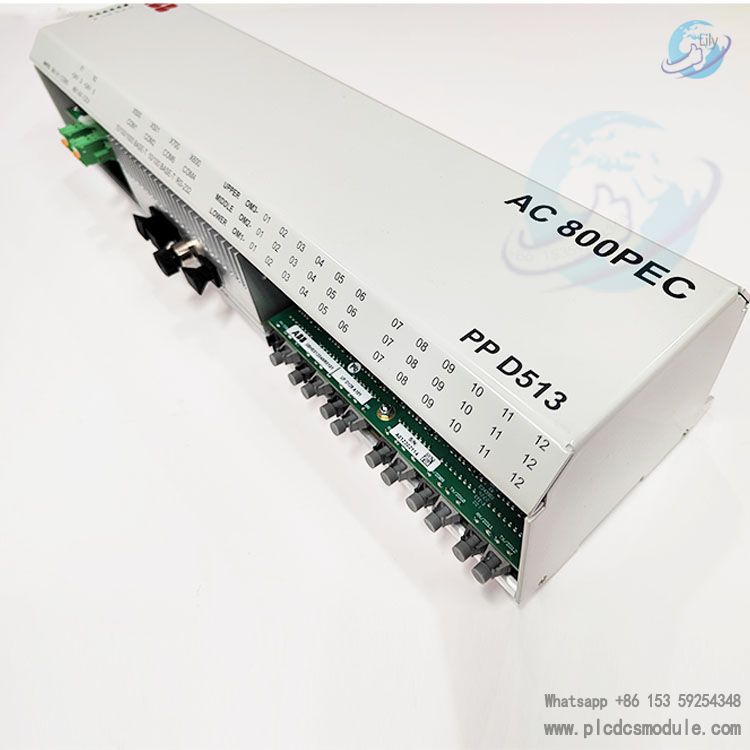
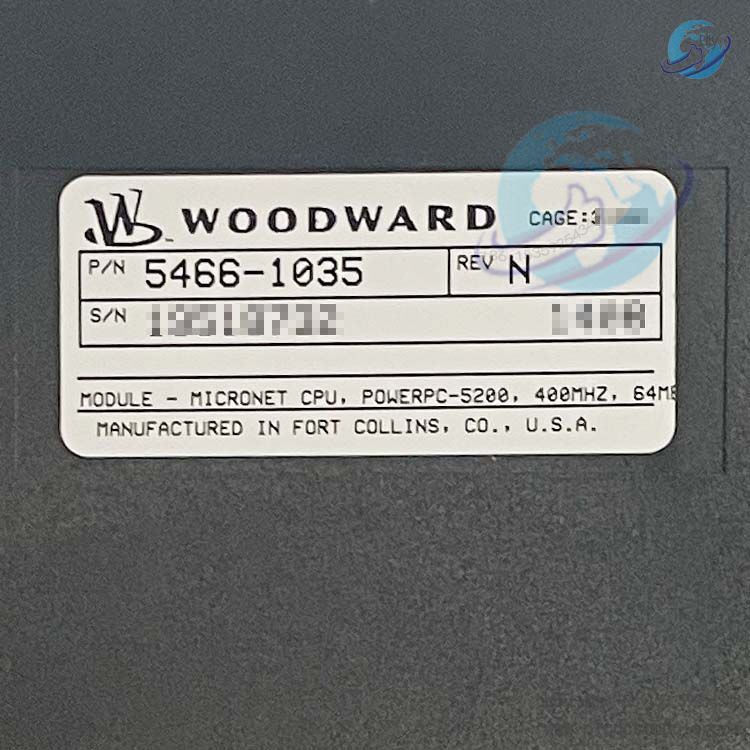
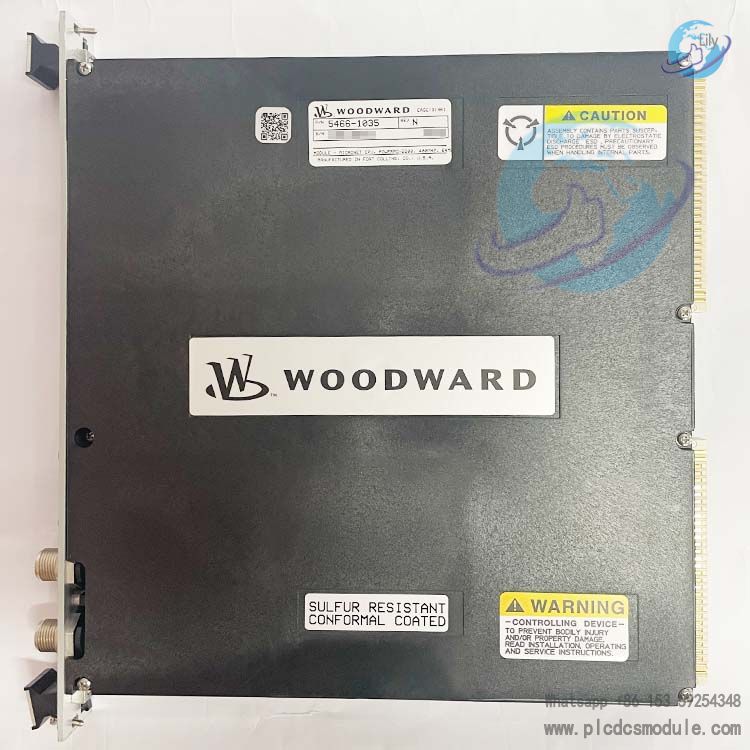
Note; All products on this site are special products, the market price has been fluctuating, the specific customer service offer shall prevail, because the product is a new product, the picture is not a real shot, please confirm with customer service before placing an order model and product, price and other details, the site used, new are for sale, please contact customer service communication. Woodward 5466-1035 is the CPU5200 core control module of the MicroNet series, designed specifically for prime mover control, industrial automation, and critical process safety systems.It supports both simplex and redundant operation modes, covering full application scenarios from basic control to high-availability redundancy.Powered by the Motorola PowerPC MPC5200 processor, the 5466-1035 is equipped with 128 MB DDR RAM and 64 MB flash memory, as well as a battery-backed real-time clock (RTC, 10 ms resolution).It has obtained Lloyds ENV2 Test 1 vibration certification and CSA Class 1, Division 2 hazardous location certification, and can operate in a wide temperature range of -40℃ to +85℃, meeting the high-reliability requirements of harsh working conditions such as marine, heavy industry, and energy applications.As the standard CPU for MicroNet TMR (Triple Modular Redundancy) systems, it has long been used in thousands of critical control installations worldwide.
Download
Specifications & Functions
- Processor: Motorola PowerPC MPC5200
- Memory: 128 MB DDR RAM; 64 MB Flash Memory
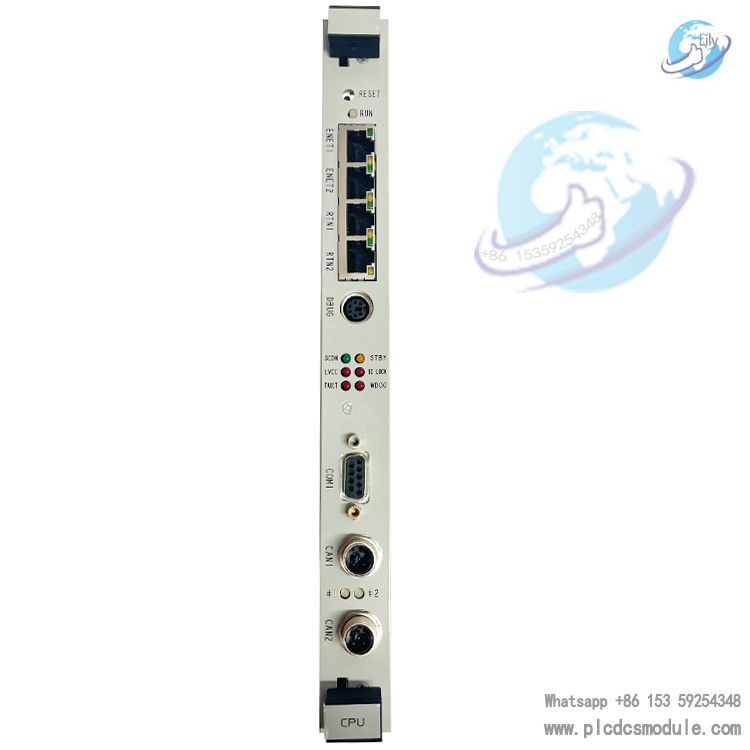
- Communication Interfaces: 2×10/100 Base-T Ethernet, 1×Serial Port, 2×CAN Bus;No Real-Time Network (RTN) port, does not support expansion chassis
- Real-Time Clock: Battery-backed, 10 ms resolution, continuous operation during power loss (battery non-replaceable)
- Redundancy Mode: Simplex / 1:1 Redundancy (requires a second CPU module, installed per chassis configuration)
- Environment & Certifications:Operating temperature -40℃~+85℃;Vibration compliant with Lloyds ENV2 test 1;CSA Class 1, Division 2;Suitable for 14-slot full-size VME chassis
- Power & Outputs:Input: 80–150 VAC / 110 VAC / 125 VDC;Output: 24 VDC, 16 A;Speed sensing: 1–30 VAC
- Programming & Diagnostics:Supports Woodward GAP graphical programming and ladder logic;Provides LED fault codes, real-time status monitoring and historical fault logging;Remote diagnostics available via AppManager/ToolKit
Covers complete procedures including installation and wiring, redundancy configuration, SIL certification (SIL-3 achievable with MSM modules), and fault diagnostics.
Product Change Notification (PCN 06960):States that 5466-1035 is a non-preferred model.For new MicroNet Plus systems, an upgrade to CPU P1020 is recommended, while long-term support remains available for installed base systems.
MicroNet™ Product Specification (Specification 03333):Details I/O configuration, expansion capabilities, and software compatibility.It confirms support for I/O-intensive applications with up to 8 chassis.
Frequently Asked Questions (FAQ)
What is the core difference between 5466-1035 and CPU P1020?A: The CPU P1020 uses a dual-core SOC processor with four times the performance of the MPC5200. It supports 5 CAN ports, Gigabit Ethernet, and includes security passwords, Achilles certification, and SSH encryption.
The 5466-1035 is a basic CPU without security features, suitable for legacy systems or non‑safety‑critical applications. For new safety systems, the P1020 is the preferred choice (Woodward).
Does this module support expansion chassis?A: No. Without an RTN port, it cannot connect to an expansion chassis. For expanded I/O, a CPU model supporting RTN or a revised system architecture is required.
How is the second CPU installed for redundancy?A: A second identical CPU module is required and installed according to the chassis slot rules (refer to the MicroNet chassis manual for details). Redundancy mode is then enabled in the software to support automatic failover.
What happens if the RTC battery is exhausted?A: The battery is non‑replaceable. Once depleted, the RTC stops operating and the time is lost after a power cycle. Time must be recalibrated using service tools; this does not affect control logic execution.
How to mitigate cybersecurity risks for this module?A: The module lacks security passwords and encrypted communication. Recommendations:
① Deploy only on a dedicated control network, with no direct public network access;
② Enable port isolation and access control lists (ACL);
③ For safety‑critical applications, upgrade to a security‑enabled CPU version (e.g., 5466‑1145/1511) (Woodward).
Is the CPU module hot‑swappable?A: Hot‑swapping is possible in simplex mode (with power shutdown recommended for safety).
In redundant mode, switch to the standby CPU first before servicing the faulty module, allowing bumpless transfer.
What are the required programming software and version?A: Supports Woodward GAP (graphical) and ladder logic programming, with a minimum Coder version of 4.06.
When paired with an MSM module, it can achieve IEC 61508 SIL‑3 certification, subject to applicable safety programming standards.