

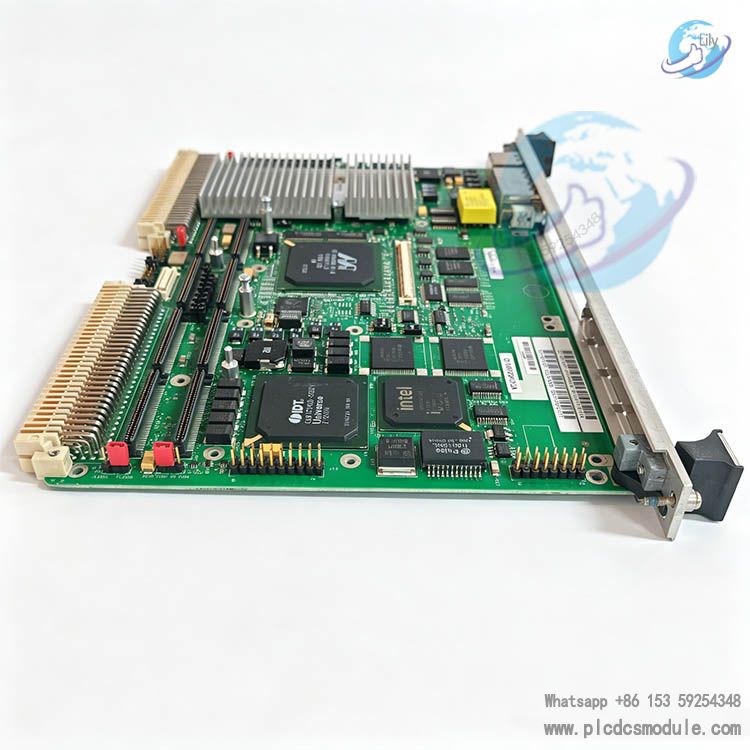
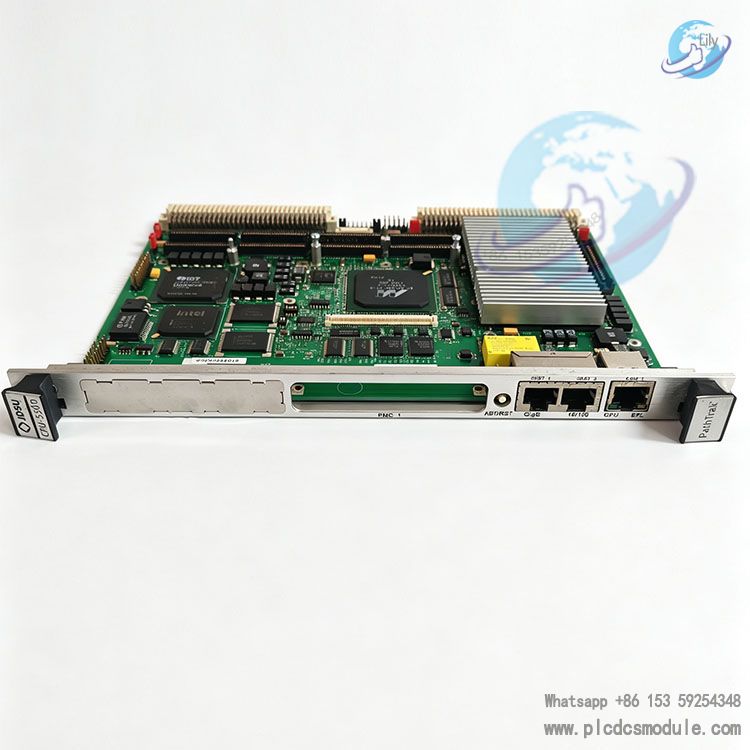
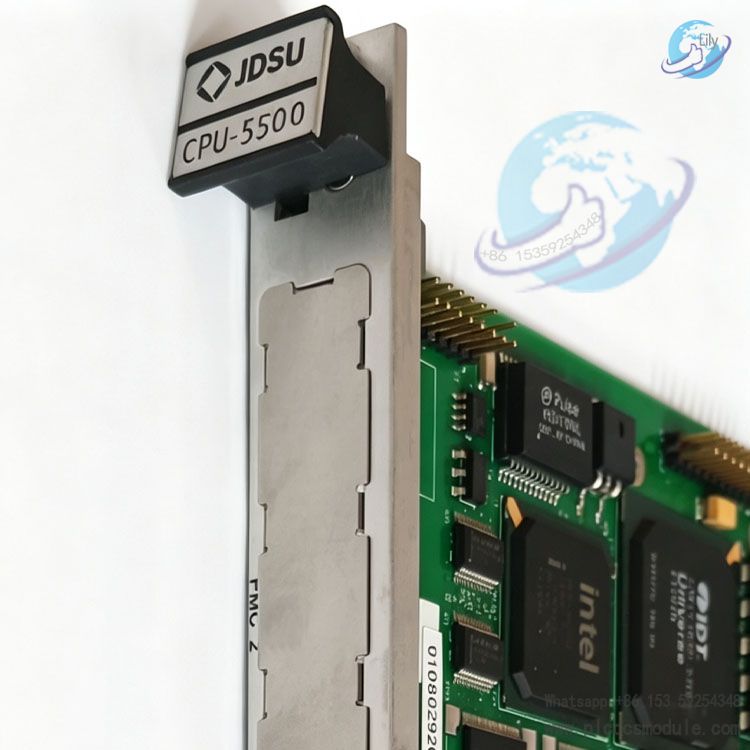
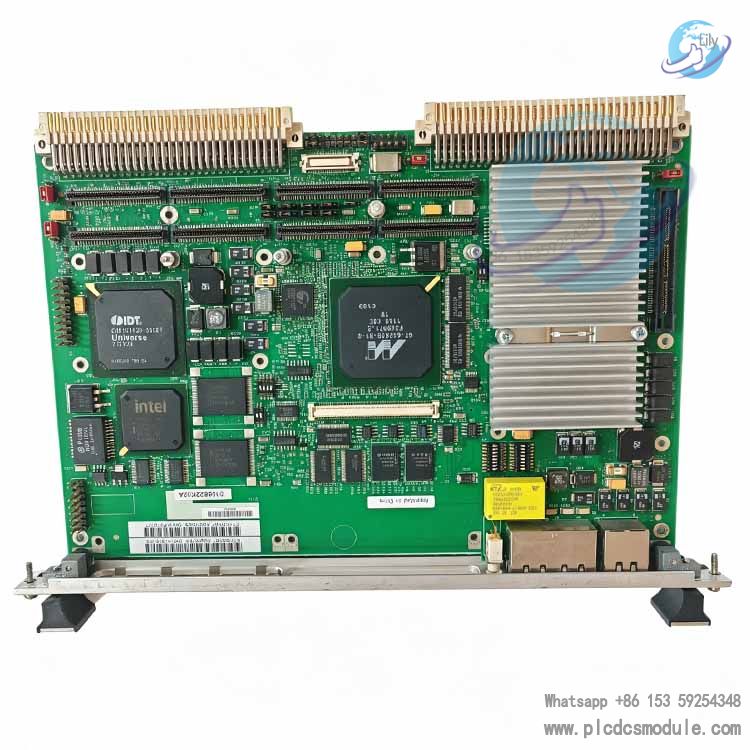
PathTrak CPU‑5500 Management Module
Product Description
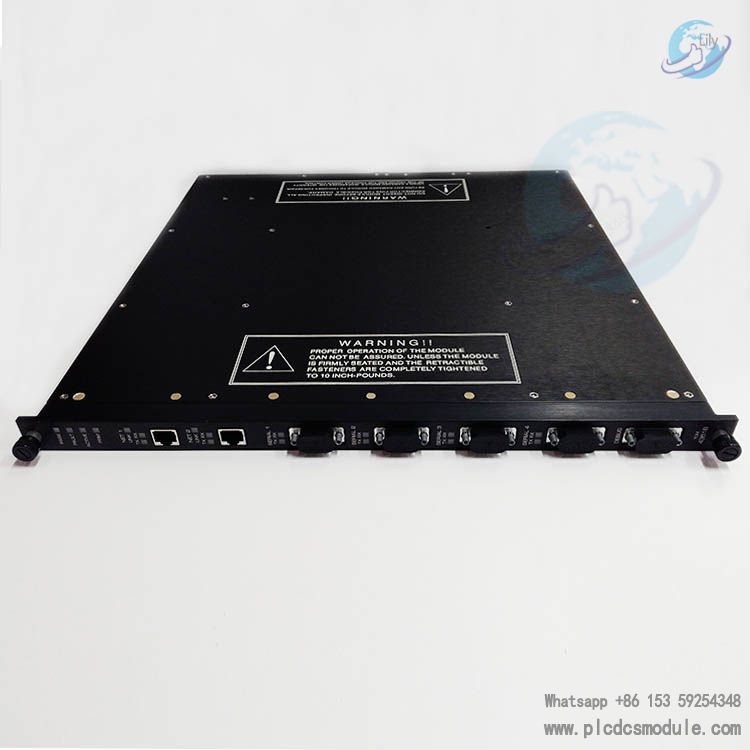
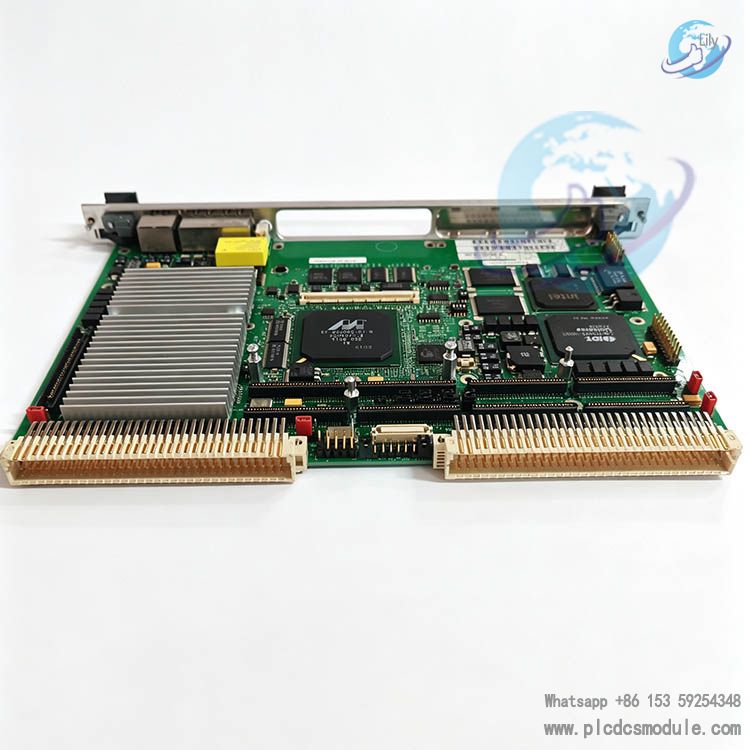
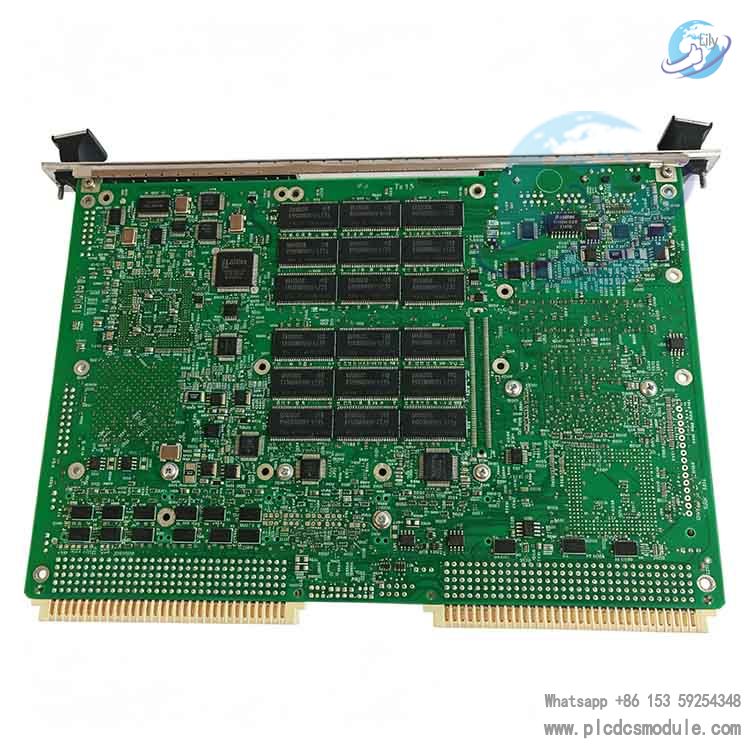
The PathTrak CPU‑5500 Management Module is the core controller for PathTrak return‑path monitoring chassis, the main unit of HFC return‑path spectrum monitoring system. It orchestrates internal RF monitoring boards, aggregates measurement data, processes alarms, stores historical spectrum records and handles network communication. It is control‑and‑data‑only with zero RF signal path, bringing no intrusion to existing HFC network. Widely deployed in CATV head‑end rooms, it helps operators quickly locate upstream noise, signal ingress and impulse interference, cutting field service trips.
Technical Specifications
- Power Supply: Backplane powered, no separate power adapter required
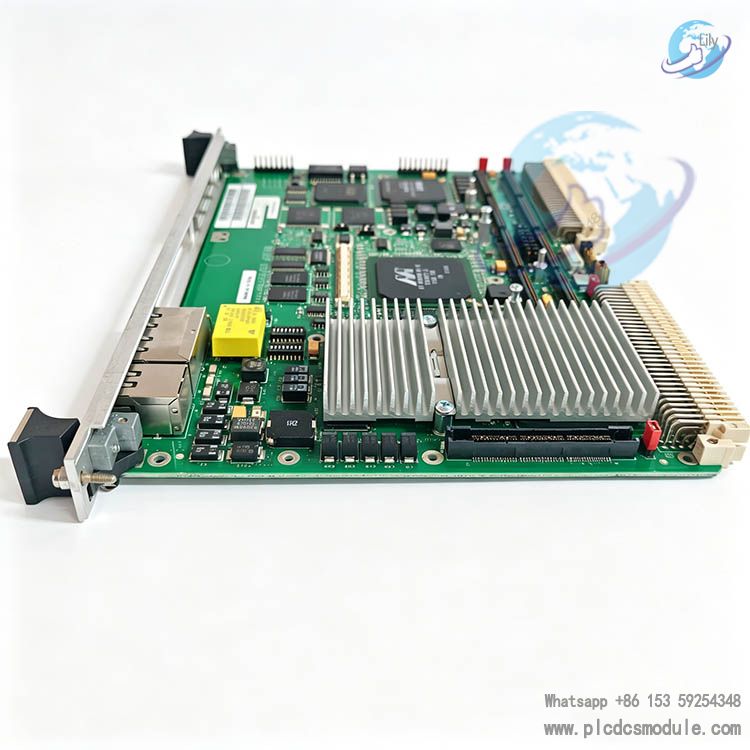
- Interfaces: 10/100Mbps auto‑negotiation RJ45 Ethernet, high‑speed backplane bus, serial debug console
- Operating Environment: 0‑40℃, indoor non‑condensing computer‑room operation
- Installation: Hot‑swap board module, fits PathTrak chassis for 19‑inch rack mounting
- Signal: Control & data link only, no RF I/O ports
- System Capacity: Manage multiple RPM modules; collect spectrum/QAM metrics, generate alarms & trend logs
Compliance: CATV computer‑room EMC requirements
Core Advantages
- No RF‑path interference: Pure control/data processing, RF measurement handled by dedicated RPM boards, no extra noise injected into live HFC network
- Hot‑swap modular design: Fast on‑site replacement; only monitoring functions affected, user services remain intact
- Native PathTrak ecosystem compatibility, reduces cross‑hardware compatibility failures
- Centralized data processing: Unify alarms and spectrum trends for NOC centralized monitoring
Support firmware upgrade for feature enhancement and alarm logic optimization, extend system service life
Product Features
- Embedded processor for task scheduling of all internal monitoring modules
- Ethernet port outputs real‑time spectrum, alarms and historical statistics to network management server
- Complete event logging for noise surge, module offline and link anomaly for root‑cause analysis
- High‑speed backplane bus ensures low‑latency spectrum scanning with RPM series boards
- Remote parameter & alarm threshold configuration, no local chassis access needed
- Front‑panel LED indicators for quick on‑site status diagnosis
Zero RF channel occupation; all RF acquisition completed by RPM monitoring modules
Application Fields
- HFC broadband head‑end, CATV operator return‑path network monitoring
- NOC large‑scale 7×24‑hour upstream noise and ingress interference monitoring for coaxial networks
- Pre‑fault diagnosis: capture impulse noise & intermittent interference to shorten troubleshooting time
- Post‑upgrade spectrum quality validation after node modification and cable rework
- DOCSIS upstream monitoring, SC‑QAM carrier and code‑error continuous observation
- CATV asset O&M, long‑term performance trend archiving for massive coaxial nodes
Product Comparison
- PathTrak CPU‑5500: Chassis management main module, schedule all monitoring boards, data aggregation & NMS interconnection, no RF acquisition
- RPM‑1000: Spectrum monitoring board, 8‑port RF measurement, relies on main controller for data upload
- RPM‑2000: Enhanced spectrum monitoring board, parallel high‑speed scan, improved transient impulse noise detection
- RPM‑3000: Integrated QAM & spectrum board, wide frequency range, requires CPU‑5500 system control
Compatible Products
- HCU1500: 15‑slot chassis for CPU‑5500 + multiple RPM modules
- HCU400: 4‑slot compact chassis for small‑scale monitoring deployment
- RPM‑2000F / RPM‑2000BNC: Return‑path monitoring modules with F / BNC connector
- RPM‑3000: 8‑port spectrum & QAM analysis module
PathTrak WebView: Web‑based network management software
Important Notes
- Cannot run standalone; must be installed on compatible HCU‑series chassis backplane
- Ethernet management port shall connect to isolated O&M network, avoid production service network
- Do not cut power during firmware upgrade to prevent boot failure
- Indoor computer‑room use only; avoid high‑temperature, high‑humidity and condensing environment
- Tune alarm thresholds per local HFC network conditions to avoid false alarms
- After board replacement, verify recognition status of all RPM modules inside chassis
- Monitoring‑control only; cannot repair physical‑layer HFC line faults
FAQ
Q: Can PathTrak CPU‑5500 work standalone without HCU chassis?
A: No. It obtains power and internal bus communication via chassis backplane and cannot boot separately.
Q: Does CPU‑5500 support RF signal acquisition itself?
A: No. RF spectrum measurement is completed by RPM‑series boards; CPU‑5500 handles scheduling, aggregation and upload.
Q: Will replacing CPU‑5500 interrupt CATV user services?
A: No. It belongs to monitoring subsystem and does not pass user traffic. Only temporary monitoring data loss occurs.
Q: How many RPM modules fit in HCU1500 with CPU‑5500?
A: HCU1500 has total 15 slots. Subtract one slot occupied by CPU‑5500 for available RPM slots.
Q: Troubleshooting when CPU‑5500 cannot communicate with NMS?
A: Check Ethernet link, IP configuration, firewall & routing, LED status and backplane bus identification sequentially.
Q: Are legacy RPM‑1000 boards compatible with CPU‑5500?
A: Depends on overall system firmware version. Some old hardware needs matched firmware upgrade for stable operation.
Q: What information to confirm when purchasing CPU‑5500?
A: Host chassis model, existing board inventory, current firmware release and management‑network planning.
Q: How to solve frequent false noise alarms?
A: Adjust alarm thresholds for local network, verify RPM input level and check external interference sources. Do not simply disable alarms.