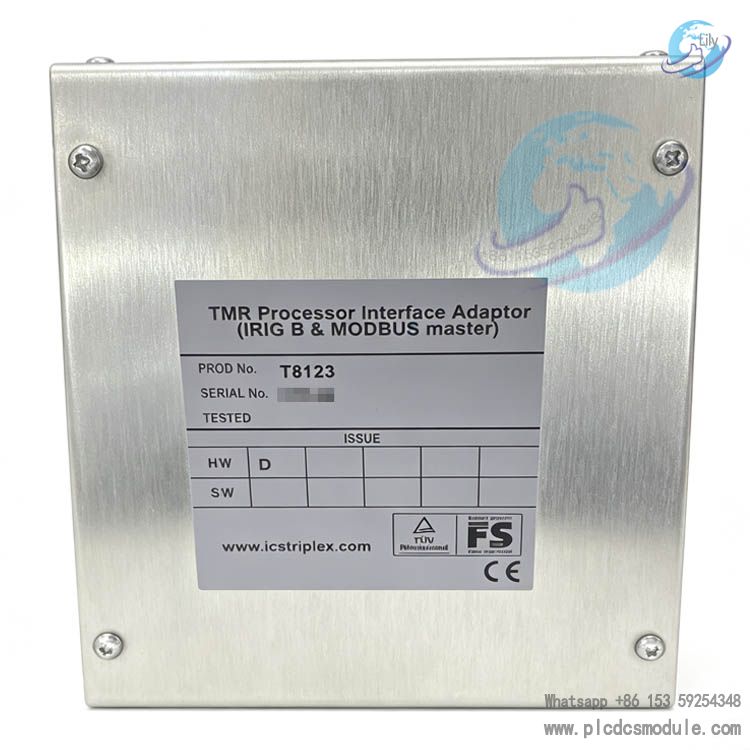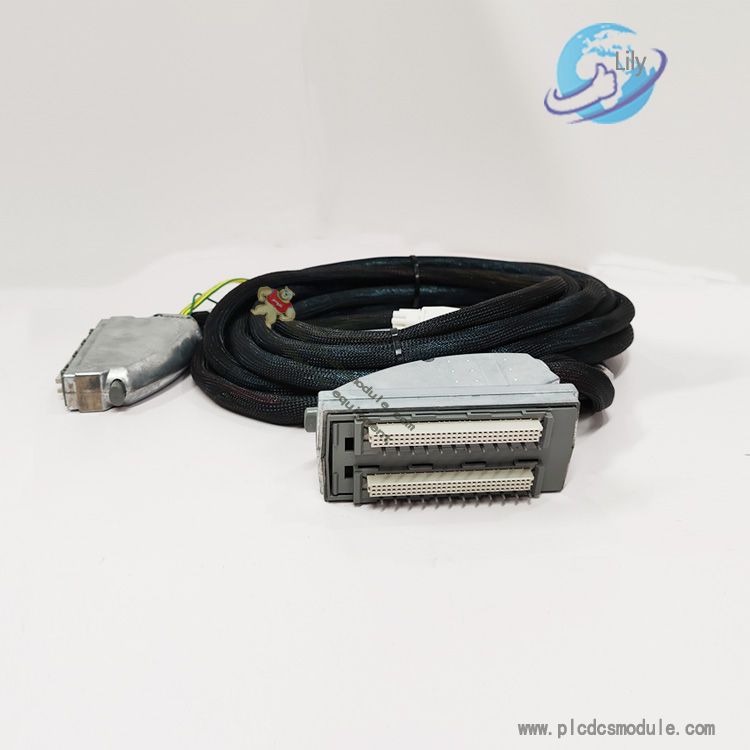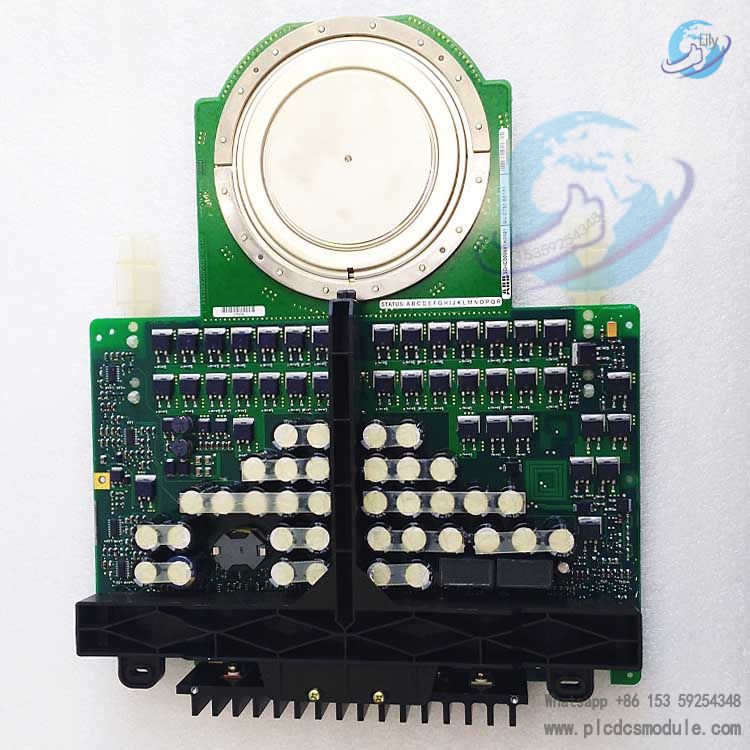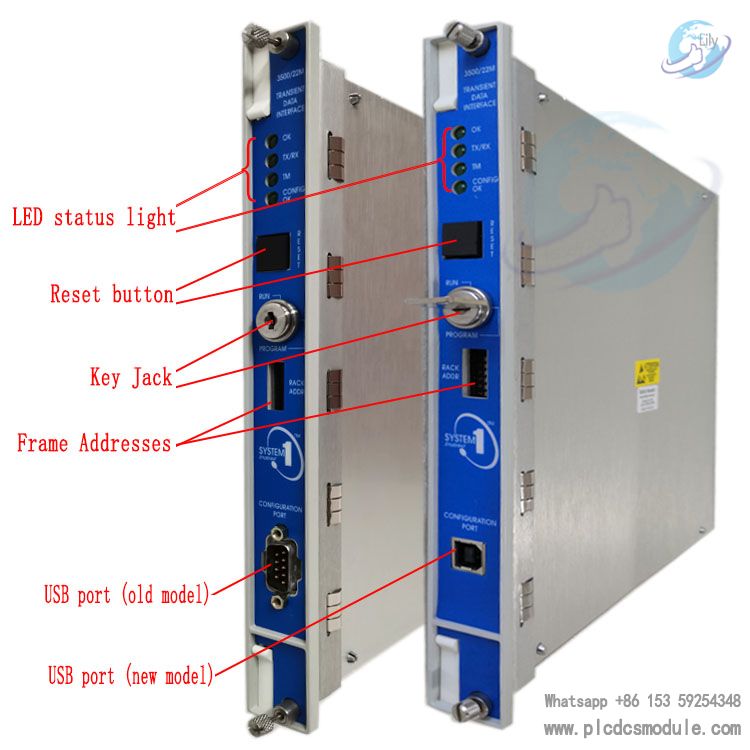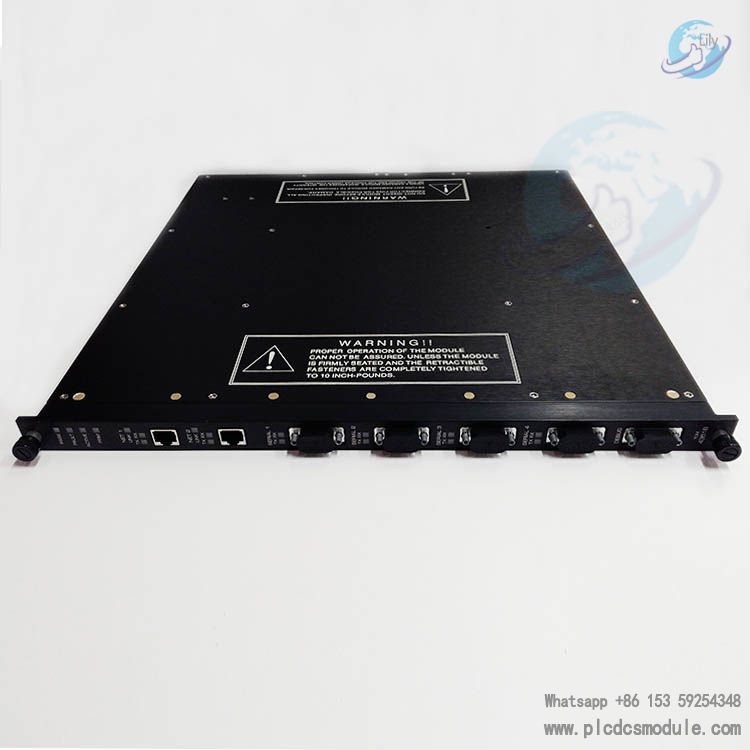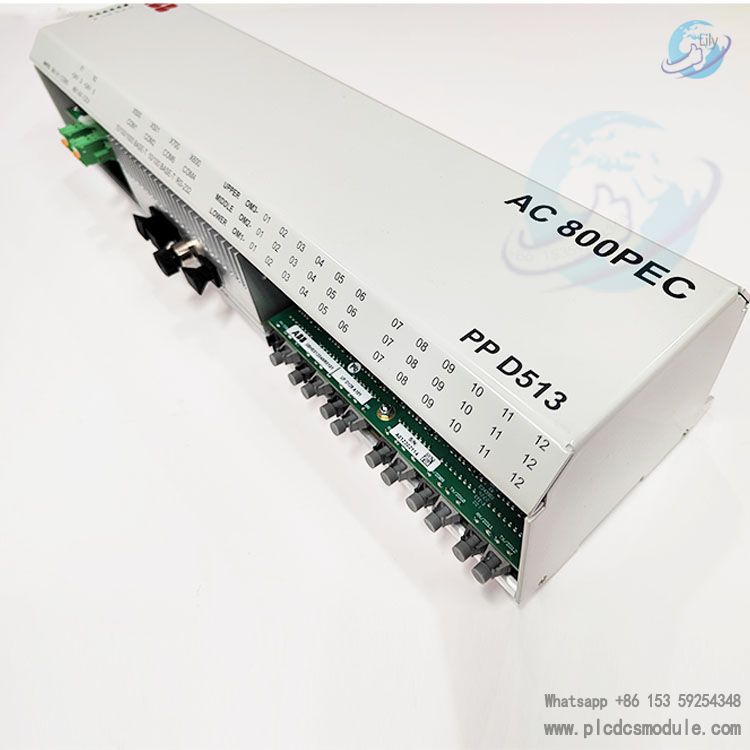


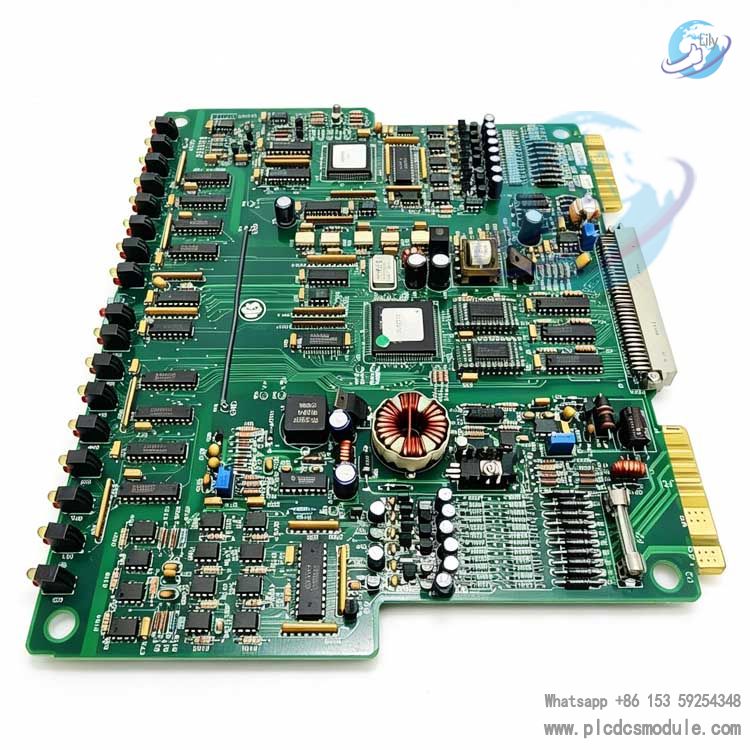
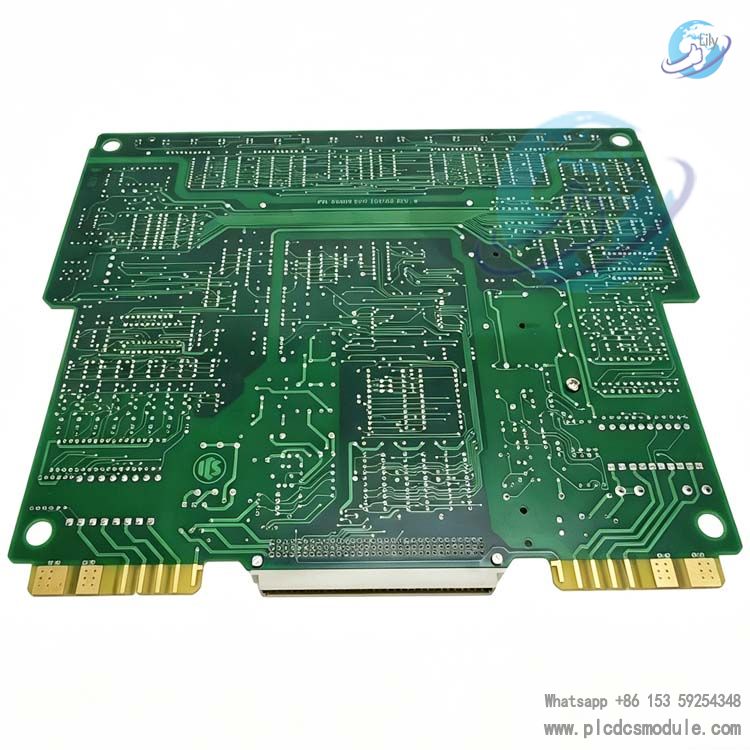
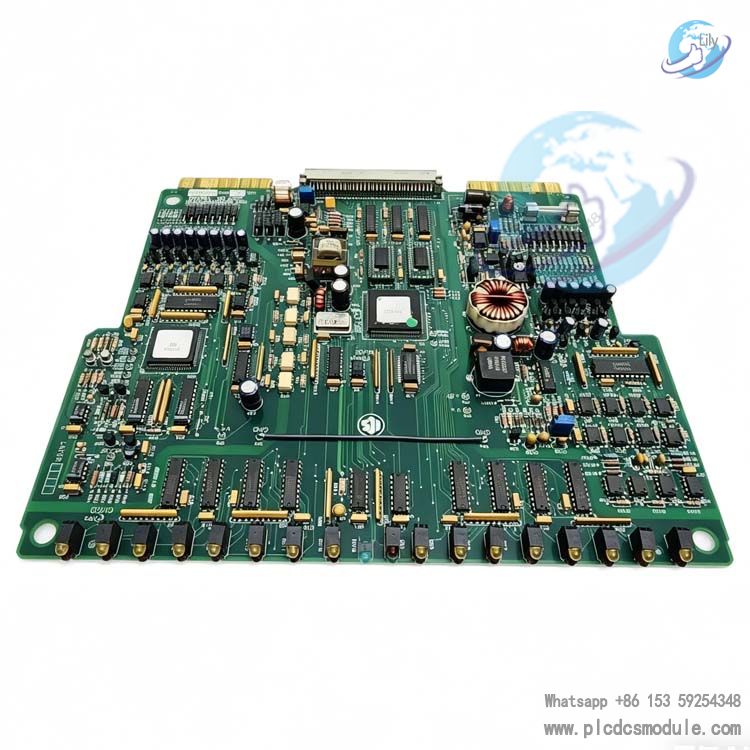
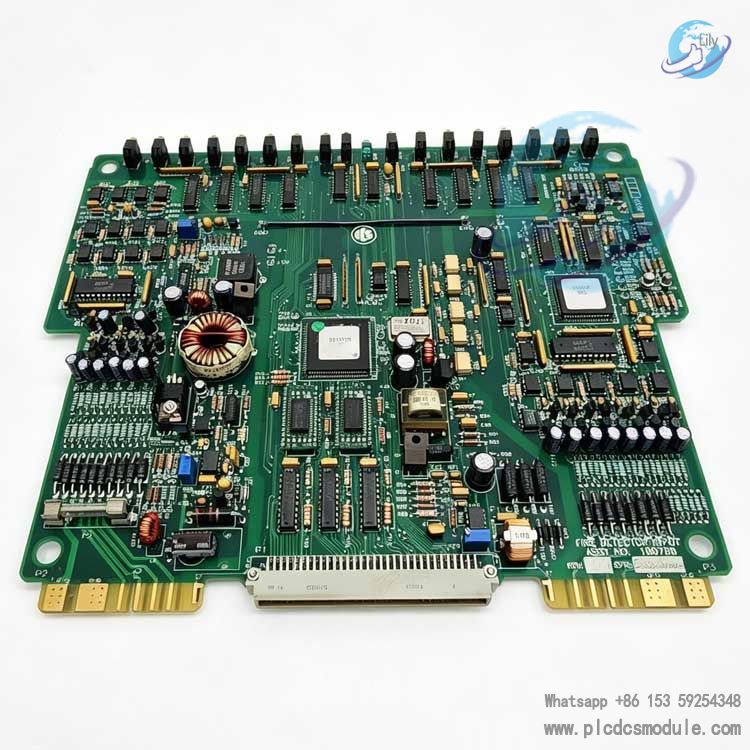
ICS Triplex T7419 (Part No.: 700485, Assembly No.: 100750) is a dedicated fire detector input module for the ICS Triplex Regent+Plus Safety Instrumented System (SIS) under Rockwell Automation. Designed specifically for industrial safety-critical applications, it supports connection to smoke detectors, flame detectors, temperature detectors, manual call points and other devices. It delivers reliable signal acquisition and fault diagnosis capabilities for fire safety monitoring in industrial sites, and is widely deployed in fire and gas detection systems for high-risk industries such as petrochemical, power, and offshore oil & gas platforms.
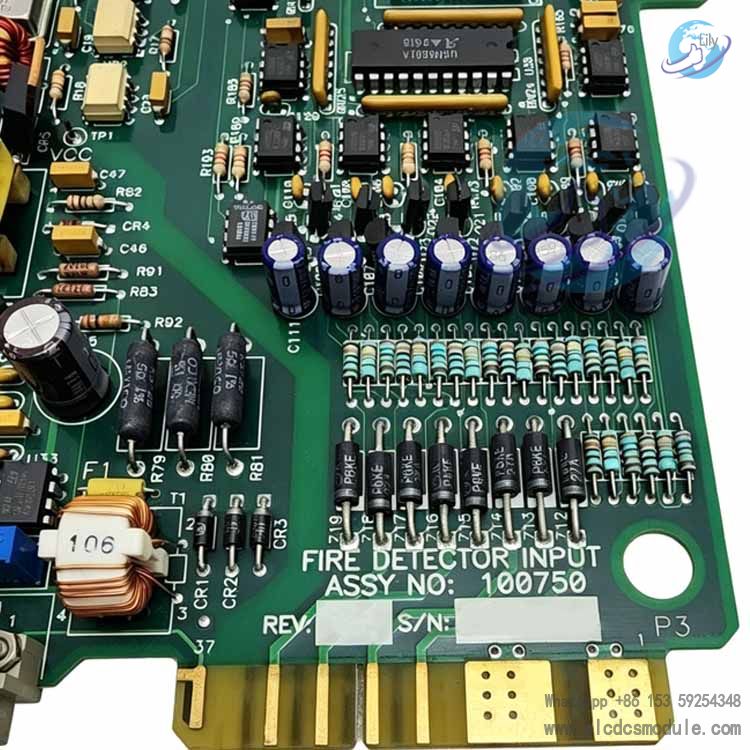
Functions and Technical Parameters
1. Core Functional Features
16 independent input channels: Supports connection of up to 16 fire detection devices simultaneously, compatible with multiple types of detector signal inputs, covering multi-node requirements for industrial fire monitoring.
Automatic line and module monitoring: Built-in comprehensive input circuit test function enables automatic detection of open-circuit and short-circuit faults in field wiring, as well as continuous diagnosis of the module’s own electronic circuits, ensuring reliable signal acquisition.
Fault tolerance and redundancy support: Allows dual-module redundant configuration. Combined with redundant field sensors, it achieves fault-tolerant operation. The system maintains normal monitoring even if a single module or sensor fails, meeting high availability requirements of Safety Instrumented Systems.
Detector reset control: Each channel is equipped with an independent reset control output, enabling direct reset of latching fire detectors without additional control loops.
Hot-swap capability: Supports online hot replacement of modules; maintenance can be performed without system shutdown and does not affect overall system operation.
Visual status indication: Independent channel status LEDs are provided to intuitively indicate channel fault, activation and power status, facilitating rapid on-site troubleshooting.
2. Key Technical Parameters
Field Power Voltage: 15–40 VDC (internally regulated to supply power to input circuits)Input Circuit Isolation: ≥2500V isolation between field wiring and control logicOvervoltage Protection: Continuous 27V DC, withstands 500V surge transient voltageCurrent Limiting: Internal current limiting at 20mA; no damage risk under sustained short-circuit/open-circuit inputOperating Temperature Range: 0°C ~ 60°C (industrial wide-temperature design)Storage Temperature Range: -40°C ~ 85°CSystem Architecture: Compatible with ICS Triplex TMR (Triple Modular Redundancy) safety system architectureCertifications & Standards: Compliant with relevant industrial safety instrumented system standards, compatible with Regent+Plus safety control system
Application Scenarios
The T7419 module is mainly applied in the following industrial safety scenarios:
- Fire monitoring systems for process units in petrochemical plants, refineries and offshore oil & gas platforms
- Fire alarm systems for electrical equipment rooms and plant areas in power plants and substations
- Flame and smoke detection systems for high-risk production workshops in pharmaceutical, chemical and other industries
- Fire safety monitoring systems for industrial tank farms and warehousing & logistics areas
Frequently Asked Questions (FAQ)
Q1: What types of fire detectors can be connected to the T7419 module?A: The module is compatible with a variety of industrial fire detection devices, including smoke detectors, flame detectors, temperature detectors and manual call points. Any device with dry contact or active signal output conforming to the module’s 15–40 VDC specification is fully adaptable.
Q2: Does the module support redundant configuration? How is it implemented?A: Yes, it does. It adopts a configuration of dual T7419 modules plus dual redundant field sensors, with each module connected to one set of redundant sensors separately. If one module or sensor fails, the system automatically switches to the healthy channel without interrupting fire monitoring. The faulty unit can be replaced and maintained online.
Q3: What faults can the module’s line monitoring function detect specifically?A: The module can automatically detect open-circuit and short-circuit faults in field wiring, and continuously diagnose its own input circuits and power loops. All fault information is uploaded to the controller, with alarms triggered via system logic or panel indicator lights.
Q4: Does the module support hot swapping? What precautions should be taken during maintenance?A: Hot swap is supported. The module can be replaced while the system is live without affecting other channels or overall system operation. During maintenance, electrostatic protection is required to prevent circuit damage by static electricity. After replacement, use the system diagnostic function to confirm all channel statuses of the new module are normal.
Q5: What is the difference between T7419 and the T3419 module in the same series?A: Both are fire detector input modules of the ICS Triplex Regent series.The T7419 is designed for the Regent+Plus system, with optimized circuit design, diagnostic algorithms and platform compatibility for Regent+Plus.The T3419 is an earlier model for the legacy Regent system. Though functionally similar, they are not directly interchangeable. The module must be selected according to the exact model of the control system.
Q6: What is the operating temperature range of the module? Can it be used in extremely high or low temperature industrial environments?A: The standard operating temperature range is 0°C ~ 60°C, suitable for most indoor industrial environments. For application outside this temperature range, use temperature-controlled cabinets or thermal insulation enclosures to keep the module within the rated temperature limits, preventing malfunction or shortened service life caused by extreme ambient temperatures.