

Emerson 1C31219G01 Ovation Relay Output Module
Overview
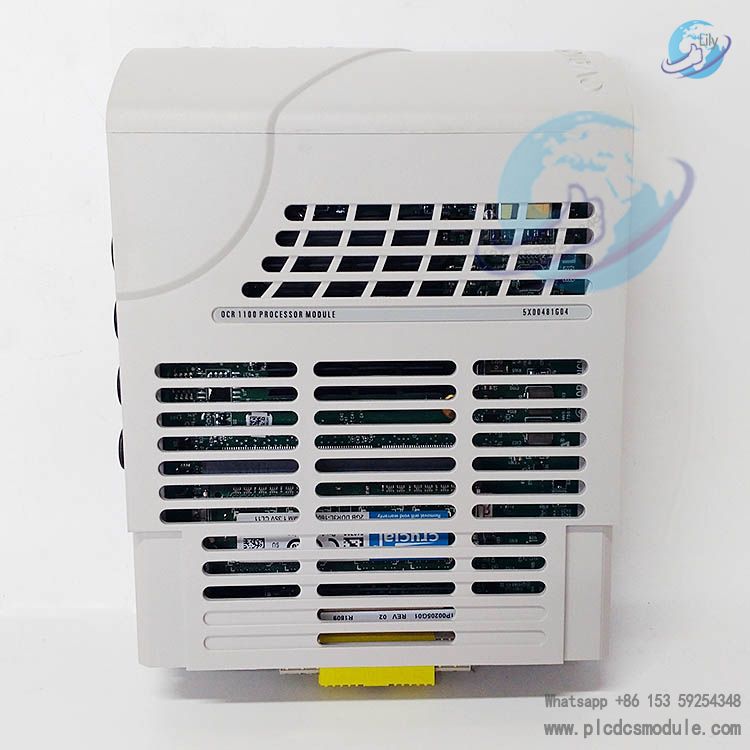
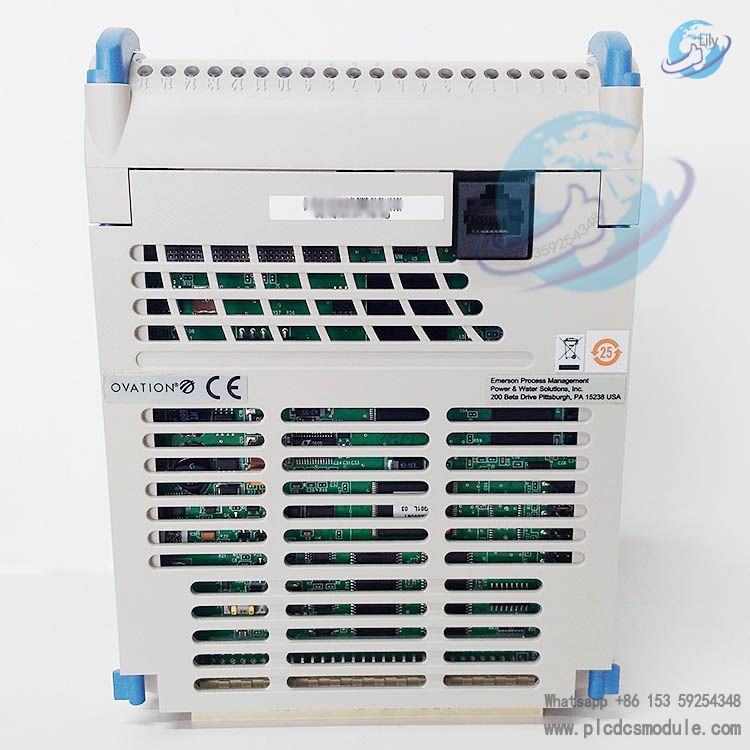
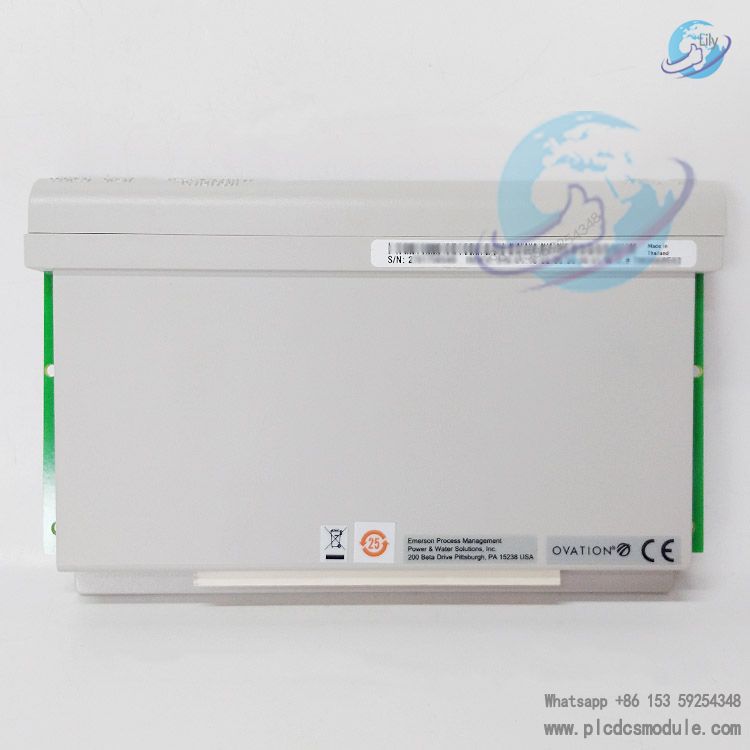
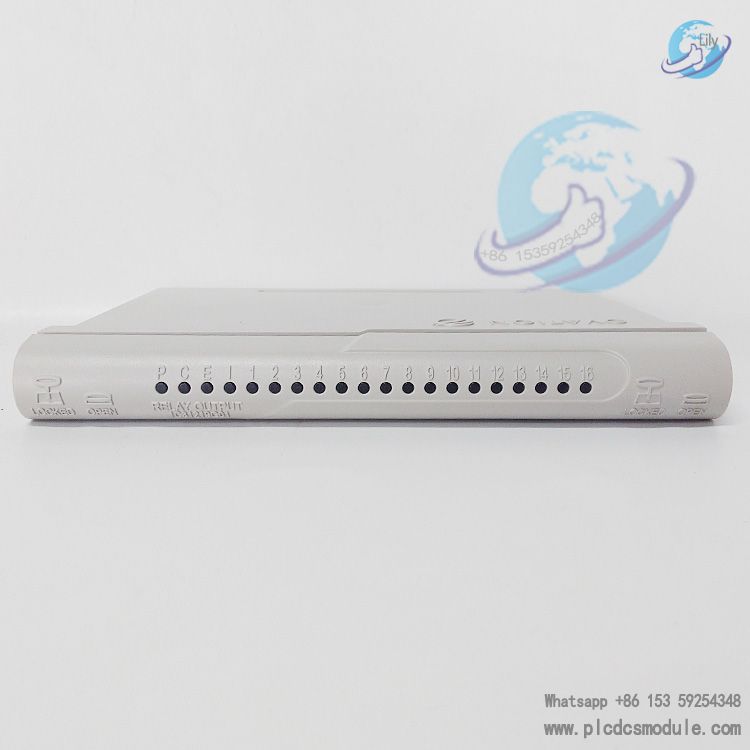
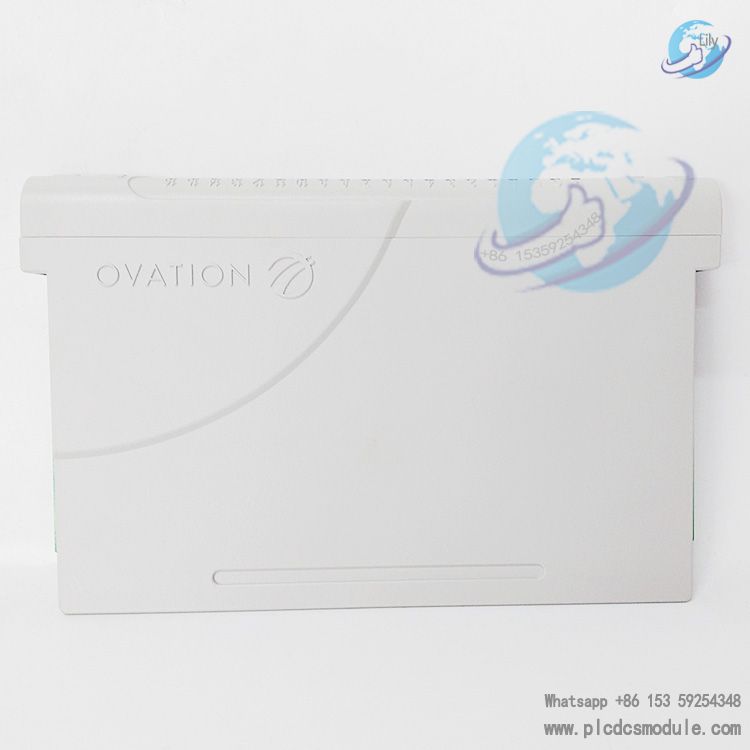
The Emerson 1C31219G01 Ovation Relay Output Module is a core relay output component in the Emerson Ovation Distributed Control System, specifically designed for discrete output control in industrial automation scenarios. Serving as a critical interface between the controller and on-site actuators, it reliably converts digital commands from the control system into mechanical contact actions, enabling precise drive of various industrial equipment. Adopting a standardized modular structure, the module supports quick plug-and-play installation on DIN rails, seamlessly integrating with standard cabinets and backplane buses of the Ovation system. It is compatible with two configurations of relay bases, flexibly meeting the requirements of different load capacities and installation spaces, and providing a stable and efficient output solution for process control in industries such as power generation, petrochemicals, and metallurgy.
related documents


Technical Specifications
Advantages
- High Reliability: Utilizes an industrial-grade reinforced housing and high-quality relay components, featuring excellent vibration and shock resistance, withstanding harsh industrial environments such as dust and humidity fluctuations, and extending equipment service life.
- Flexible Configuration: Supports free selection of two relay base types (KUEP and G2R), allowing flexible combination based on load power and installation space to adapt to diverse application scenarios.
- Easy Integration: Modular plug-and-play design combined with standardized interfaces simplifies on-site installation and faulty module replacement processes, significantly reducing system downtime for maintenance.
- Comprehensive Diagnostics: Equipped with a complete fault diagnosis mechanism and clear LED status indicators, enabling quick location of issues such as power failures, communication interruptions, and contact adhesion, improving troubleshooting efficiency.
- Safety Protection: Built-in overcurrent protection circuits and high-strength electromagnetic isolation design, effectively preventing damage to the module and control system caused by load overload and short circuits, and ensuring the safety of equipment and personnel.
- System Compatibility: Deeply integrated with the Ovation Distributed Control System, supporting seamless collaboration with other I/O modules and controllers in the system to ensure stable data transmission and consistent control logic.
- Standardized Design: Complies with general industrial standards and CE certification requirements, compatible with industrial actuators of different brands, reducing system integration complexity.
Application Fields
Maintenance
- Regularly check the power (P), communication (C), internal fault (I), and channel status LED indicators on the module surface to confirm all statuses are normal without abnormal alarms.
- Clean the module surface and installation area every 3-6 months in accordance with the equipment maintenance manual to remove dust accumulation and avoid affecting heat dissipation and electrical performance.
- Inspect the tightness of terminal connections monthly to prevent loose connections or poor contact caused by long-term vibration; re-tighten terminal screws if necessary.
- If a fault indicator lights up, refer to the system diagnostic manual to sequentially check the power supply, load status, and communication link, handle the issue promptly after locating it, and replace the faulty module if necessary.
- Strictly follow electrostatic protection specifications before plugging or unplugging the module: wear an anti-static wristband and properly ground the equipment to avoid electrostatic damage to internal electronic components.
- Back up the module configuration parameters once a quarter and store them in a safe location to facilitate quick recovery and system reconstruction after faults.
- It is recommended to perform a comprehensive functional test every 1-2 years, verifying the reliability of relay contact actions, response time, and the effectiveness of diagnostic functions through simulated input signals.
- Regularly inspect the status of relay contacts; if signs such as contact ablation or adhesion are found, promptly replace the relay components or the entire module to avoid control failure.
- Maintain good ventilation in the module installation environment, avoid direct contact with high-temperature equipment, and prevent excessive ambient temperature from affecting service life.